


Boeing Delays Starliner Spacecraft Flight to Late 2026
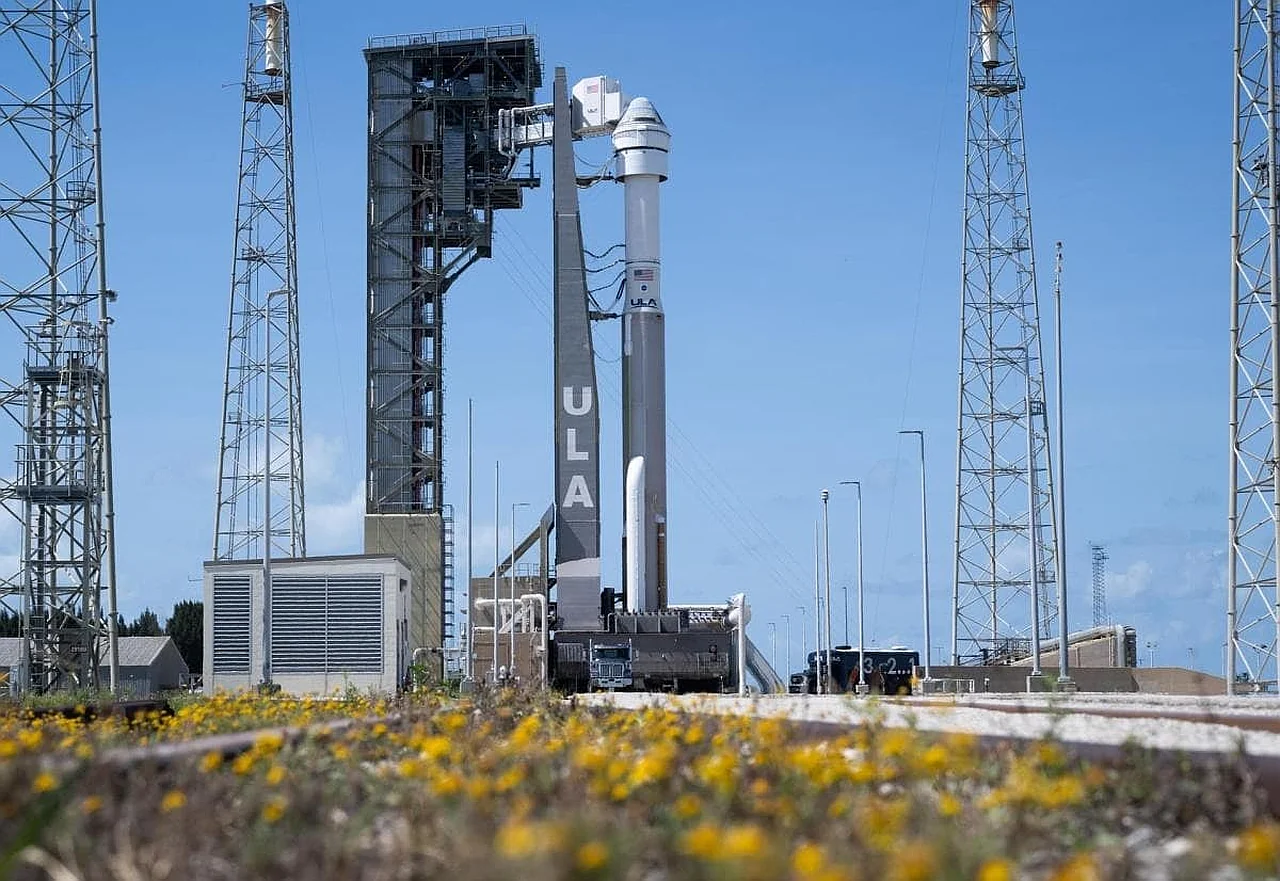
Boeing and NASA specialists are revising the flight schedule for the CST-100 Starliner spacecraft. According to ixbt.com, the next scheduled cargo flight of the spacecraft to the International Space Station (ISS) has been postponed to no earlier than the fourth quarter of 2026. This decision is of significant importance for both the aerospace giant and notable space programs, reports Ixbt.com. reports .
In a report submitted to the US Securities and Exchange Commission (SEC), Boeing officially confirmed the change in the mission's implementation timeline. Initially, the company planned to perform an uncrewed test flight in 2026, followed only then by a crewed mission. However, changes to the plan arose as a result of recent discussions with NASA.
Major changes to the flight schedule
Currently, the exact dates, goals, and flight schedule of future missions are still being negotiated. The Starliner spacecraft has not flown into space since the Crew Flight Test conducted in 2024. During that test, serious malfunctions in the spacecraft's propulsion systems and helium leaks were recorded.Following these issues, NASA prioritized safety and decided to return the vehicle to Earth uncrewed. The two astronauts who traveled to the station via Starliner ended up staying on the ISS longer than planned and ultimately returned to Earth aboard a Crew Dragon spacecraft belonging to SpaceX. This situation required Boeing engineers to thoroughly analyze the technical flaws.
Financial losses and future prospects
Boeing representatives emphasize that work to resolve the identified problems is progressing successfully. According to company CEO Kelly Ortberg, the process of fixing Starliner's flaws is proceeding quite positively. Nevertheless, in June 2026, NASA's Aerospace Safety Advisory Panel had warned that the remediation work could drag on for another year.It is reported that the Starliner project is one of the last remaining fixed-price major contracts in Boeing's space and defense division. The company has already written off nearly $2 billion in losses on this program. Nevertheless, management does not expect new major financial losses until the spacecraft resumes flights, though all subsequent deadlines remain entirely dependent on agreements with NASA.


Comments 0
…