


Japanese Scientists Revolutionize Batteries: Lithium-Sulfur Battery Created
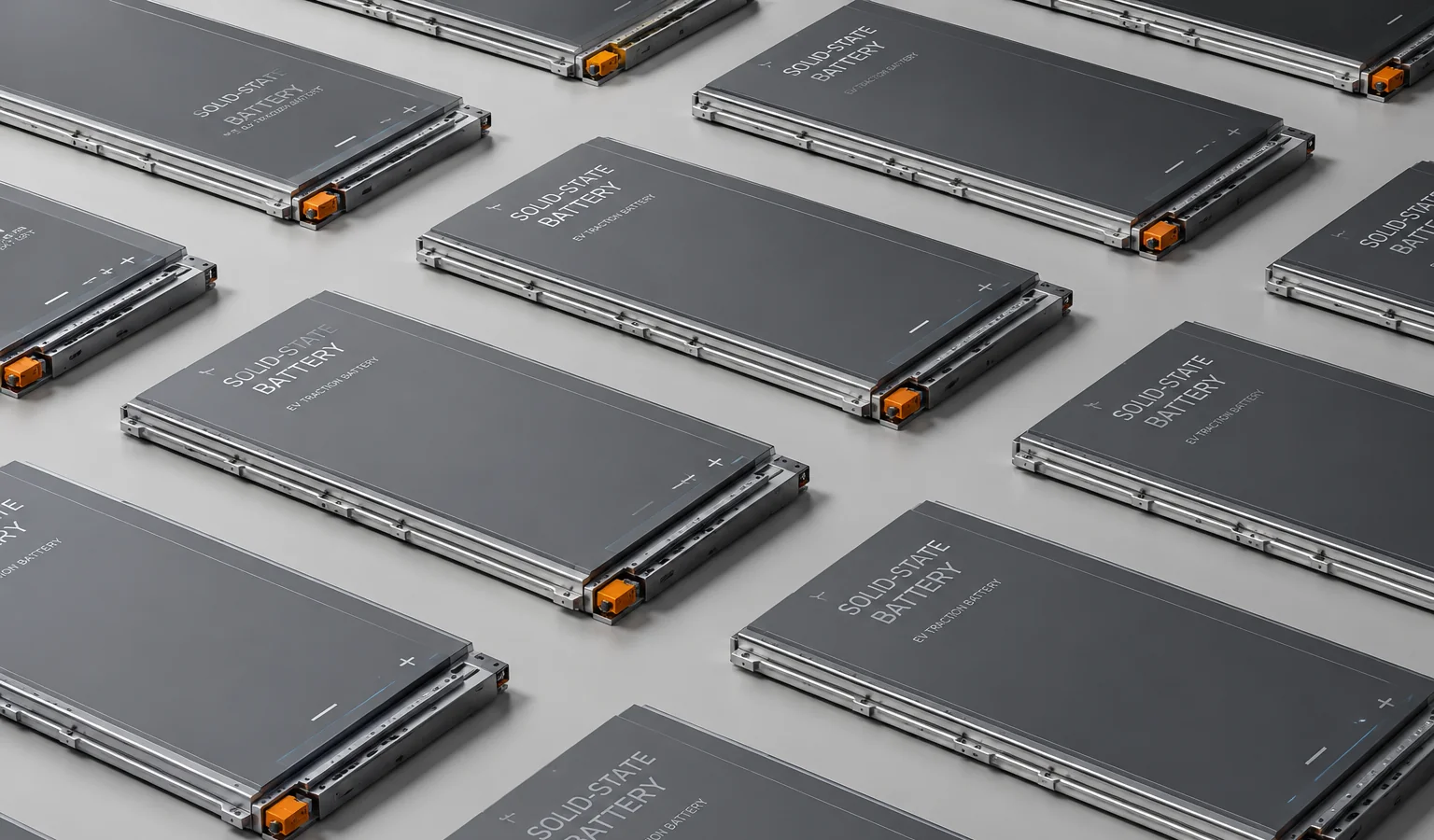
A discovery that has caused a major stir in the world of technology has been made in Japan. Researchers at Tohoku University have developed a next-generation lithium-sulfur battery that is several times more efficient and cheaper than lithium-ion batteries. This invention is expected to fundamentally change the operating time of modern electric vehicles and gadgets. This was reported by Ixbt.com report .
Lithium-sulfur batteries have long been considered the main competitor to lithium-ion analogs. Their main advantages are high energy capacity and the use of sulfur, which is relatively cheap and abundant in nature. However, until now, the "polysulfide shuttle" effect — the improper movement of particles between electrodes — caused such batteries to quickly lose their charge.
TUS-44 Material: An Innovative Solution to the Problem
To solve this problem, Japanese scientists created a hybrid material called TUS-44, consisting of a covalent organic framework (COF) and a graphene mixture. According to ixbt.com, this new layer does not merely act as a barrier but chemically binds undesirable particles, ensuring the stability of electrochemical reactions in the battery.Laboratory test results showed remarkable figures. The initial capacity of the battery equipped with the new material was 1455.7 mAh/g. Most importantly, after 1000 charge and discharge cycles, the energy loss rate was only 0.034 percent per cycle. This means the battery retains its efficiency almost unchanged for years.
Another important aspect is the specific energy density. The prototype battery assembled by the researchers demonstrated an energy density of 674 Wh/kg. For comparison, the most advanced lithium-ion batteries currently in mass production typically have a figure of around 250-300 Wh/kg. This means the new technology allows storing more than twice the energy in the same volume.
This discovery is extremely important not only for smartphones but also for the electric vehicle industry. If lithium-sulfur batteries are introduced into mass production, electric vehicles from brands like Tesla or BMW could travel twice the distance on a single charge compared to current models. Additionally, the low cost of sulfur will help reduce the price of the final product.
The authors of the study emphasize that this molecular design-based approach opens the way to creating even more durable and higher-capacity batteries. Scientists are currently working on applying this technology on an industrial scale and optimizing the manufacturing processes.


Comments 0
…