


US Considers Total Ban on Diesel Exports: Global Market on the Brink of a New Energy Crisis
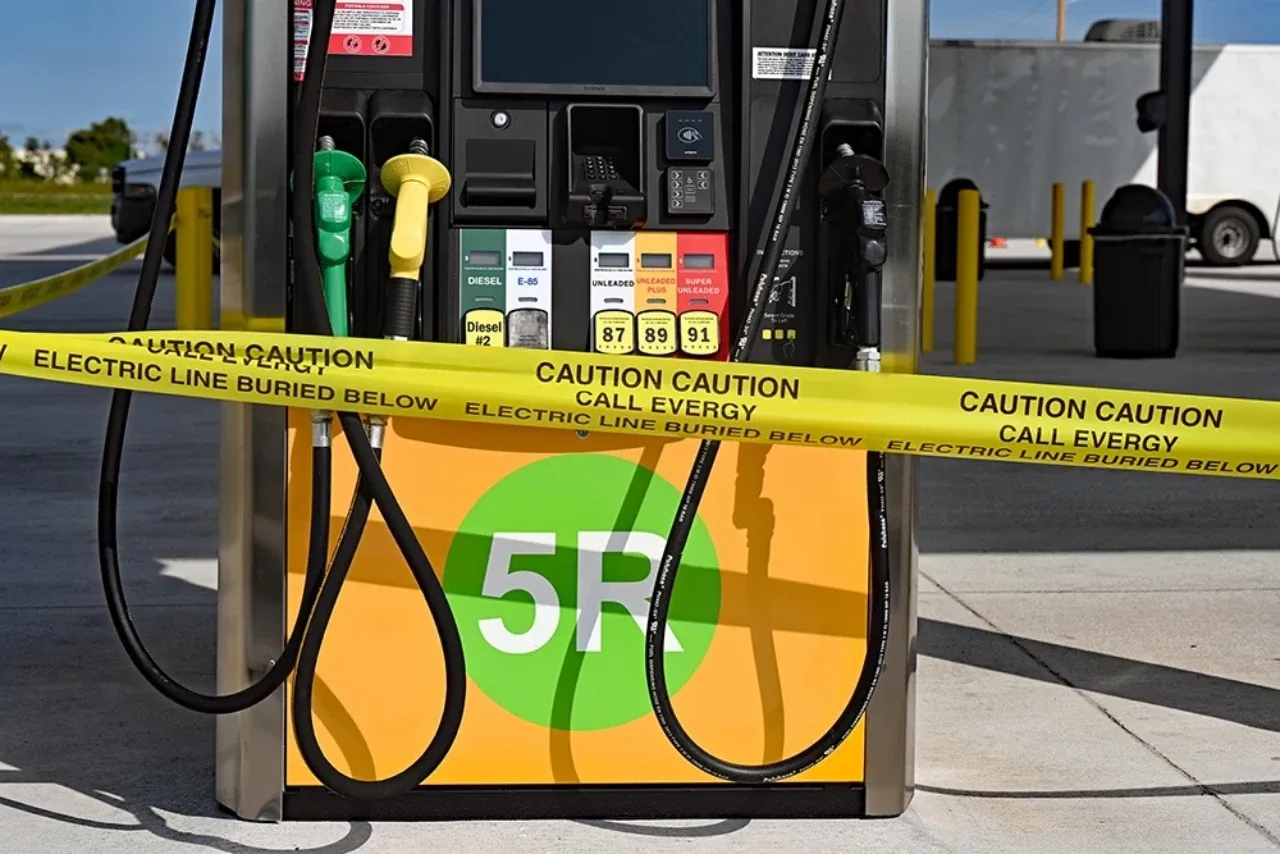
The global fuel market is facing one of its toughest tests in recent years. After diesel prices in the US domestic market broke historical records, soaring to $6.22 per gallon (nearly $1.60 per liter), the issue of a complete ban on diesel exports has emerged on the agenda of Washington's political elite. US Senate Majority Leader John Thune announced that he is ready to consider any proposals to restrict exports in order to curb domestic shortages and price pressures. This year, due to the war with Iran and the halt of Russian diesel exports, the United States sold record volumes of fuel to foreign markets; however, this caused domestic reserves to plunge to their lowest point in recent years—down to 96.4 million barrels.
If Washington closes the export taps, it could turn into a real disaster for vast regions ranging from Asia and South America to Europe, which relies on US diesel for 15% of its needs. Meanwhile, the White House is currently hesitant about a ban and is attempting to invoke wartime legislation to rectify the situation. So, how high will global fuel prices spike if Washington bans exports, how are accidents at oil refineries deepening the crisis, and is the world ready for a new fuel deficit?
"$6.22 per gallon and unyielding prices": Record pressure within the US
Key figures of the fuel crisis in the domestic US market:
Historical anti-record: Diesel prices at US gas stations initially reached $6 and have now climbed to $6.22 per gallon;
Senate's urgent response: Senate Majority Leader John Thune stated: "If there are fuel supplies we are exporting that are needed, banning exports might be one of the most effective ways to solve the problem";
Reasons for record exports: Despite producing sufficient diesel, the US was forced to sell record amounts of product abroad to fill the global vacuum caused by halted Russian exports and the war in Iran;
Drying strategic reserves: National reserves, which are supposed to cover the domestic deficit, dropped to an alarming level of just 96.4 million barrels as of September 4.
White House hesitation: Will the Defense Production Act be activated?
Disagreements and alternative plans within the US government:
"Risk of a trade war": Interior Secretary Doug Burgum warned that an export ban would not lower domestic prices, but instead lead to retaliatory measures by US-dependent allies and global instability;
"Defense Production Act" mechanism: Instead of a ban, the White House is considering invoking the Defense Production Act (wartime industrial powers) to forcibly increase the capacity of the country's oil refineries (ORPs);
Refineries operating at their limit: Today, American oil processing enterprises are operating at the upper limit of 95% of their capacity, and rapidly expanding production is physically difficult.
A 7-million-barrel blow to Europe: What awaits the global market?
Geopolitical and economic consequences should US diesel exports be suspended:
Europe's 15% dependence: According to the US Energy Information Administration (EIA), Europe imported nearly 7 million barrels of diesel from the US in June alone, accounting for 15% of the continent's imports;
Energy accident at a refinery: Due to a power outage at the major Joliet oil refinery in Illinois, diesel prices on spot markets instantly rose by 25–40 cents;
Prospects of prices above $6.50: Patrick De Haan, an analyst at GasBuddy, noted that if this delicate balance is disrupted, national retail prices could exceed $6.50 per gallon, triggering a wave of inflation worldwide.
This risky gamble by the US to protect its domestic interests will directly impact not only the pockets of American voters, but also the future of European industry, which is already caught in energy torment.
Do you think the US can impose a ban on diesel exports, leaving its allies in Europe and other countries without fuel in order to lower its own domestic prices? How might rising diesel prices amid the Iran war and Russian restrictions affect product prices in Uzbekistan and our regional market? Leave your analytical thoughts in the comments and share this crucial crisis analysis of the global energy market with all your colleagues and driver friends!



Comments 0
…