


Egypt is snatching up European gas: African giant sets record for LNG imports from the US
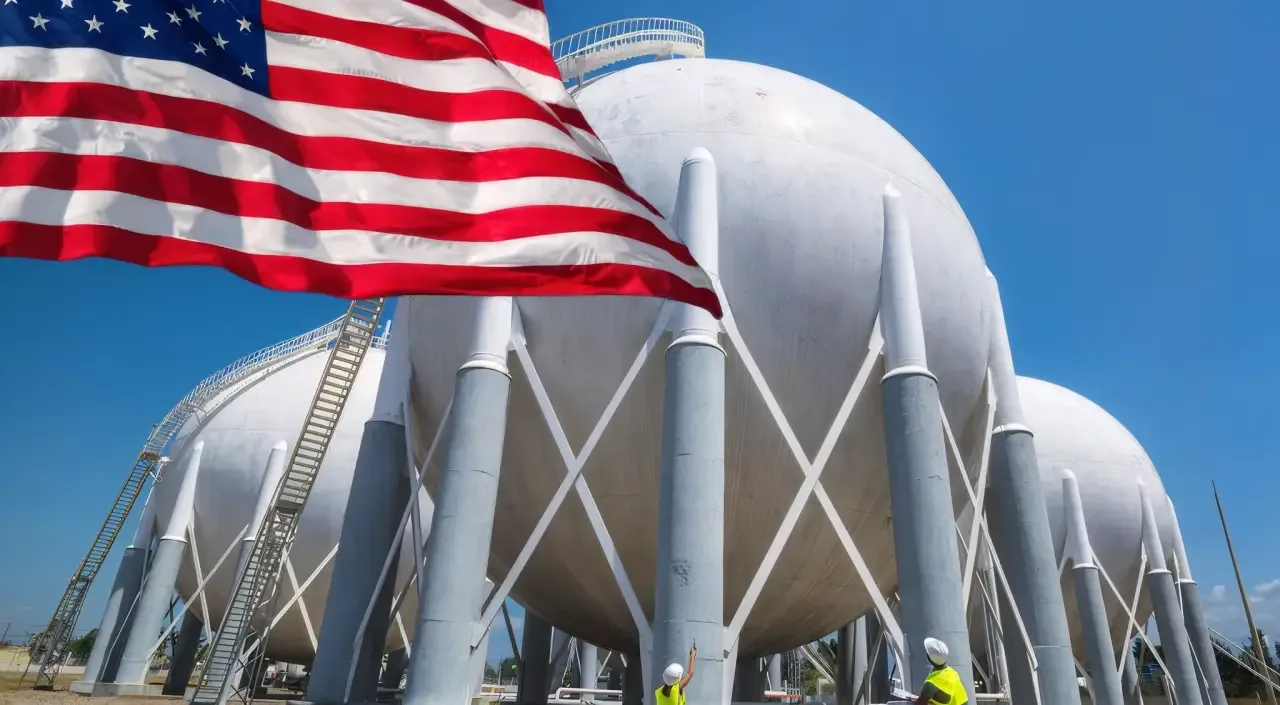
A massive geo-economic shift has occurred on the global energy map, shocking the entire world, especially the European Union. Until recent years considered a natural gas exporter, Egypt has become the world's largest buyer of US liquefied natural gas (LNG) due to a sharp drop in its own domestic extraction volumes. According to the US Energy Information Administration (EIA), in June, Egypt received a record-breaking 2.42 billion cubic meters of liquefied gas from the US in a single go, accounting for a staggering 16.5 percent of total United States LNG exports.
Most strikingly, this volume purchased by Egypt equals the combined volume of gas received from the US in June by three European industrial giants: Germany, France, and Italy. Amid the war around Iran and the geopolitical crisis, this unexpected African competition has come as a severe blow to Europe, which is suffering from gas shortages: gas prices on the continent's exchanges have been holding at around $1,000 for the second consecutive week. In addition, India has joined the race with record figures, and in Asia, November futures have risen in price to $1,022.
Why is Egypt consuming such a massive volume of gas, will Europe be left without fuel ahead of the winter, and how much higher will this unprecedented competition in global spot markets drive prices?
"One state against three giants": Egypt's 2.42 billion cubic meter record
Sensational figures from the US Department of Energy (EIA) report:
16.5 percent share and #1 customer: Egypt's share in American LNG exports surged to 16.5 percent, officially making this Arab state the largest buyer of US plants;
2.42 billion cubic meters in a month: The African continent representative received 2.42 billion cubic meters of gas from American terminals in June alone;
More than Germany, France, and Italy combined: This indicator purchased by Egypt equals the total June imports of the three leading European Union countries — Germany, France, and Italy;
More than double growth: For comparison, while Egypt's share in US exports only began in 2024, it was around just 8 percent in 2025.
From exporter to major importer: What forced Cairo?
Reasons for Egypt's unexpected gas deficit:
Collapse of extraction: In Egypt, which previously exported natural gas abroad, the rate of extraction at local fields dropped sharply;
Electricity crisis: In a country with a population exceeding 100 million, a huge amount of foreign fuel became necessary to uninterruptedly supply thermal power plants and industrial enterprises;
Attack on Europe's main market: To prevent a local energy collapse, Egyptian companies are massively buying up all available tankers at high prices in the spot markets that supply European Union allies.
$1,000 price and the India factor: Europe in an energy vise
Sharp competition and price dynamics in global markets:
3-fold rise in price after the war: As a result of the military crisis around Iran, the price of a thousand cubic meters of gas on European exchanges has been around $1,000 for the second week — which is 3 times more expensive compared to the pre-war period;
India's historical record: India turned out to be another strong rival to Europe — in June, they also bought a record amount of gas from the US, namely 1.3 billion cubic meters, taking 3rd place after Italy;
Jump in the Asian market: Competition is heating up not only in the Atlantic but also in the Pacific: as of September 14, the price of LNG for November deliveries to Northeast Asia rose to $1,022 (in Europe, $978).
The emergence of new giant buyers like Egypt and India leaves the European Union, which has abandoned Russian gas and placed its full hopes on American LNG, facing a very dangerous and costly energy deficit on the eve of the autumn-winter season.
In your opinion, will the active entry of Egypt and India into the struggle for US gas lead the European Union to an even more severe energy crisis? How might the Iranian conflict and gas prices exceeding $1,000 affect the export and domestic fuel markets of Uzbekistan and Central Asia? Leave your analytical thoughts in the comments and share this analysis of sensational changes in the global gas market with all your colleagues and energy enthusiasts!



Comments 0
…