


China's Kinetica-1 rocket launches eight more satellites into space
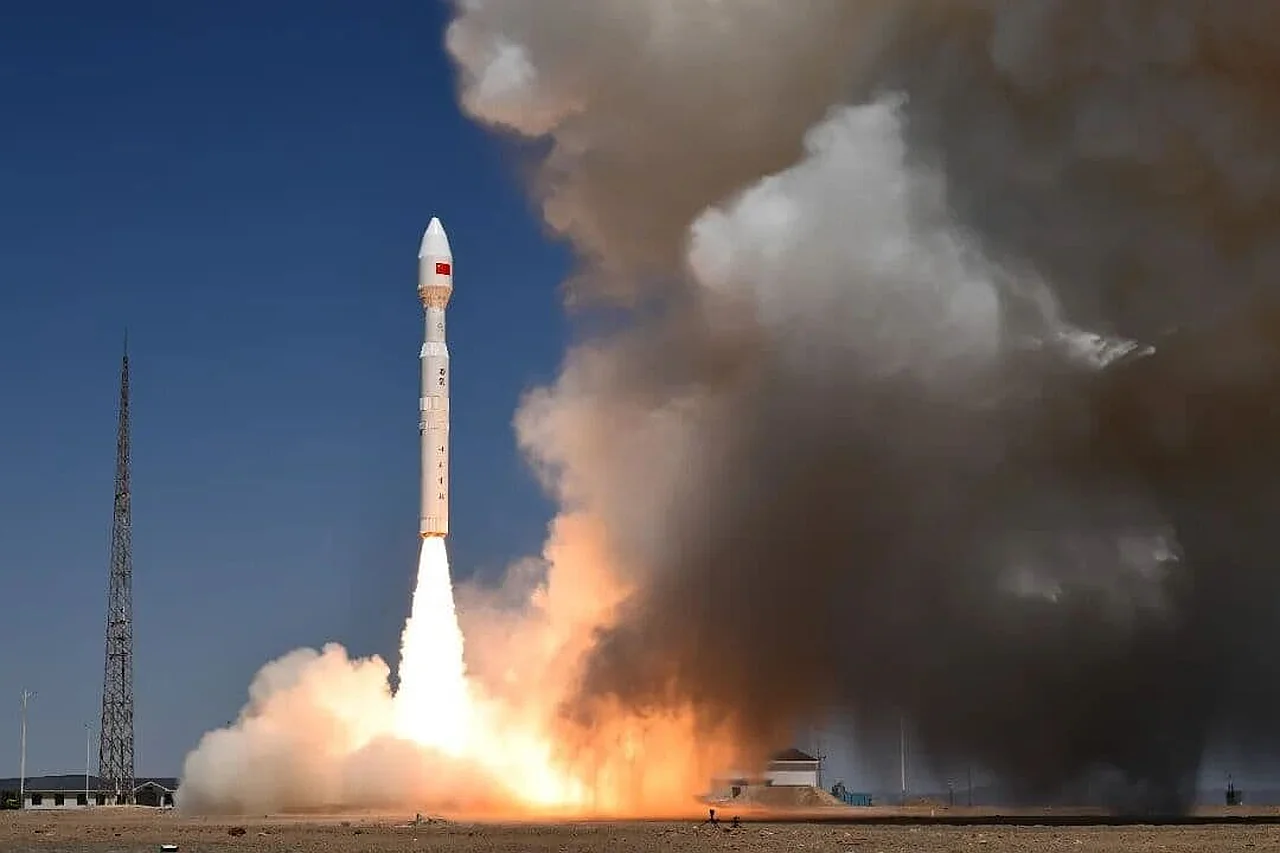
China's private space industry has achieved another significant milestone. The Kinetica-1 (Lijian-1) rocket, developed by CAS Space, successfully completed its latest mission, placing eight satellites into orbit simultaneously. This launch further strengthens China's leadership in the commercial astronautics sector. This is reported by Ixbt.com reports .
The launch took place on June 15 in the early morning hours Tashkent time from the Jiuquan Satellite Launch Center. Eight devices on board the rocket, including the Cultural Relics 01 satellite, were precisely delivered to their designated orbits. According to the ixbt.com publication, all systems operated in standard mode, and the mission was declared a complete success.
A new record in commercial astronautics
Following this launch, the total number of satellites sent into space using the Kinetica-1 family of rockets has reached 105. With this figure, the rocket has become the first commercial launch vehicle in Chinese history to carry more than 100 devices into orbit. In total, the payload mass delivered to space by these rockets has exceeded 15 tons.CAS Space experts note that the preparation process for launches has been significantly optimized. Thanks to private infrastructure at the Jiuquan space zone, the time required to prepare the rocket at the launch pad has been reduced to just ten days. This allows for an increase in launch frequency.
Future plans: Sea launches and regularity
The company plans to move to a new stage starting in the second half of 2026. According to Meng Xianfu, deputy chief designer of the program, Kinetica-1 rockets will transition to a regular schedule of at least one launch per month. This will increase the speed of service for international clients.CAS Space also plans to launch a rocket from a sea platform for the first time. Sea-based launches provide a significant advantage in delivering cargo to specific orbits that are difficult to reach from land-based spaceports. Such technology will bring China's flexibility in space exploration to a new level.
For rapidly developing countries, the affordability and regularity of private space launches are of great importance. In the future, local scientific circles and communication operators may have the opportunity to launch their own devices into space via such private carriers.


Comments 0
…