


Kazakhstan Introduces New Requirements for Residence Permits
Quick readAI-generatedShow
- Kazakhstan is significantly tightening its migration policy by introducing stricter requirements for foreigners seeking residence permits (VNZh).
- Key changes include a higher mandatory proficiency level in the Kazakh language and the implementation of a "digital scoring" system to evaluate applicants' financial stability, education, and professional skills.
- Additionally, applications are now restricted to seven priority regions, effectively blocking residency requests in major cities like Almaty, Astana, and Shymkent.
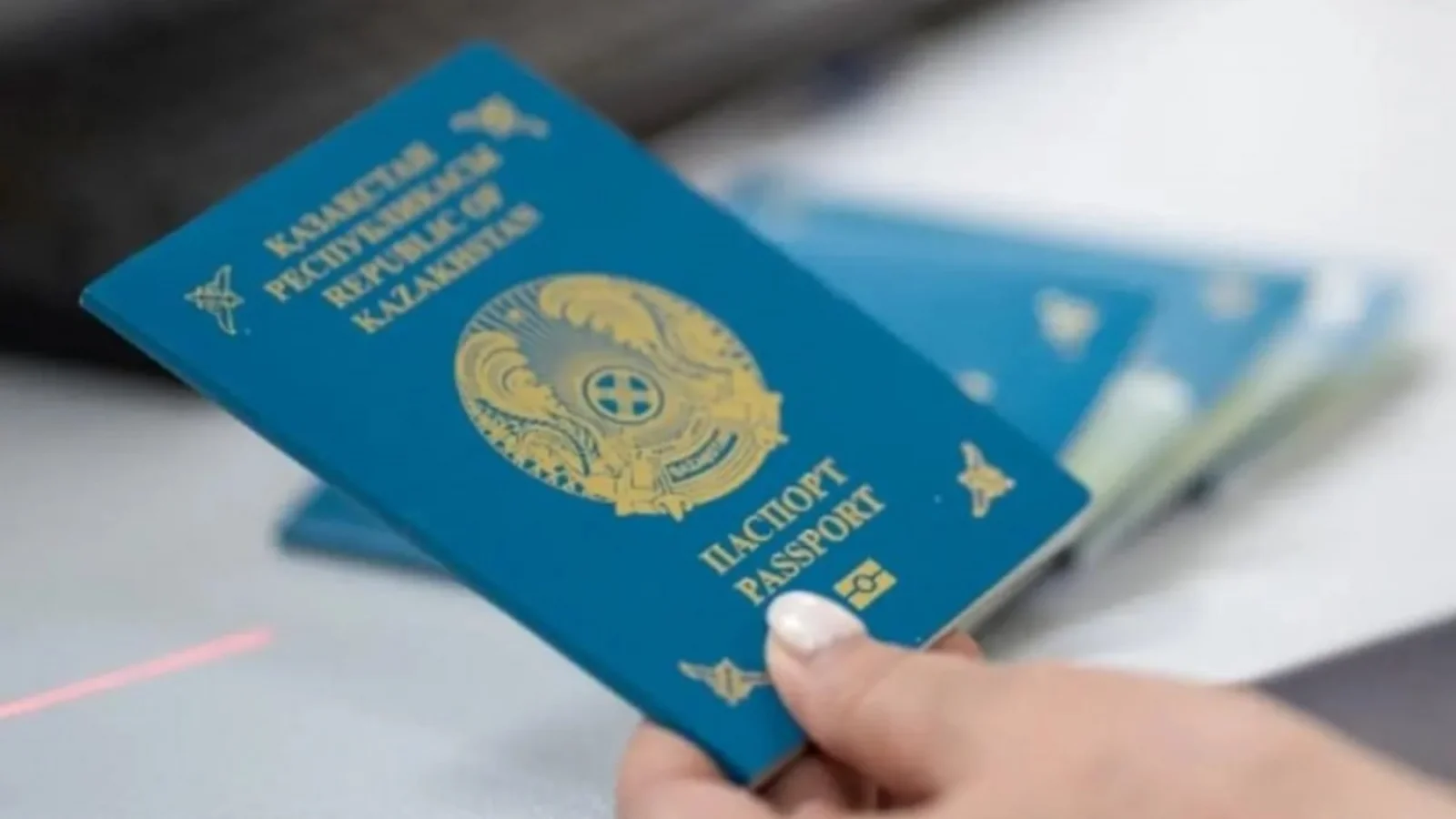
The government of Kazakhstan has embarked on a fundamental reform of its migration policy. Requirements for foreigners wishing to stay permanently in the country, including relocants and ethnic Kazakhs, have become significantly more complex. Zamin.uz analyzes the most important aspects of the situation.
Language Proficiency — The Main Barrier
Since April 13, citizens of Russia, Ukraine, and other countries who moved to Kazakhstan have been receiving mass rejections for residence permits (VNJ). The primary reason is the increased difficulty of the mandatory Kazakh language exam. While basic (A1) proficiency was previously sufficient, B1 or B2 levels, implying fluent communication in practice, are now required. Although these changes have not been officially announced yet, migration services confirm that consultations on new rules are ongoing in Astana.
What is the "Digital Scoring" system?
Migration policy has now passed under the control of the Ministry of Labor and Social Protection of the Population. The automated "digital scoring" system introduced in February checks each candidate based on the following criteria:
- Payment capacity and reliability;
- Family composition and education level;
- Work experience and health status;
- Presence of relatives in Kazakhstan.
Within the system, special preferences are given to high-skilled specialists essential for the country's economy.
Megapolises Closing: New Geographical Restrictions
One of the biggest changes is that applications for residence permits can now only be submitted in 7 priority regions designated by the government. These are: Akmola, Abai, East Kazakhstan, Kostanay, Pavlodar, North Kazakhstan, and Ulutau regions.
Notably, the three largest cities most sought after—Almaty, Astana, and Shymkent—are not included in this list. In practice, this means the possibility of obtaining a residence permit in these megapolises has been closed.
Who do these rules apply to?
The new requirements apply not only to citizens of Russia or Ukraine but to all foreigners without exception, including migrants from Central Asian countries and China. The government is expected to provide official information on these updated regulations in the coming days.
Dear readers, do you think Kazakhstan's decision to tighten its migration policy so drastically is correct? How effective will strengthening language requirements be in regulating migrant flows?
Follow world and regional news Zamin.uz be among the first to know.



Comments 0
…