


How Viking Words Ended Up in the US Declaration of Independence
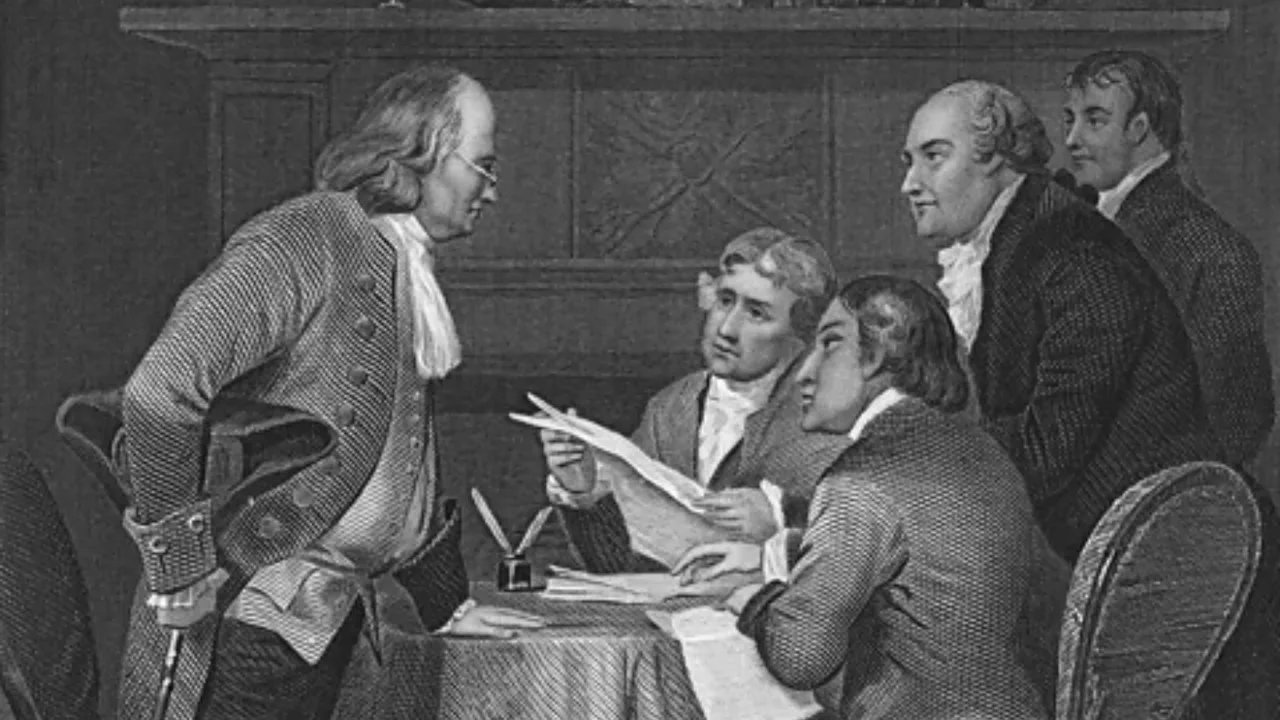
The famous phrases in the Declaration of Independence embody the history of language and culture formed over centuries. Experts note that the origins of some words in the document trace back not only to Roman or European civilization, but also to the Viking era. This was reported by the BBC. Adopted on July 4, 1776,
the US Declaration of Independence not only announced the formation of a new state but also became one of the most famous political documents in human history. In particular, phrases such as "All men are created equal," "Life," "Liberty," and the "pursuit of Happiness" continue to spark debates among lawyers, historians, and linguists to this day.
Historians note that Thomas Jefferson, who prepared the text of the declaration, sought to write the document in a style as simple, clear, and acceptable to all colonies as possible. At the same time, he wanted the text to reflect the spirit and worldview of the American people. One of the most interesting aspects that caught the attention of experts was the history of the word "happiness" in the document.
According to Tom Birkett, a professor at University College Cork in Ireland, this word originates from the Old Norse term "happ" which originally meant "luck," "fortunate fate," or "good chance." This term was brought to Britain by the Vikings who arrived in the 8th–9th centuries. While in the early stages the word "happy" meant that a person was lucky or supported by fate, over time its meaning evolved to be associated with concepts of joy, satisfaction, and a prosperous life.
When the Age of Enlightenment began in Europe in the 17th–18th centuries, the idea spread that human destiny depends not only on luck but also on one's own will and actions. Thus, the concept of "happiness" acquired a new meaning, and Thomas Jefferson included it in the declaration as one of the inalienable rights of man. Researchers believe it is no coincidence that the document records not "achieving happiness," but the "pursuit of happiness." This means that a person always has the right to strive to improve their life. Additionally, the word "liberty" in the declaration also has a long history. It derives from the Latin term "libertas" which in ancient Rome denoted the status of a person freed from slavery. Later, this word passed through French into English, becoming the modern concept of "liberty."
Philippa Steel, a professor at the University of Cambridge, notes that the idea of "liberty" was shaped over millennia across various civilizations, and the declaration is a continuation of that historical legacy. However, it was not applied equally to all people at the time of its adoption, as some of the US founders owned slaves and did not provide rights to everyone in practice. Researchers pointed out another interesting detail. The term "government" in the declaration also originates from the ancient Greek word "kybernao" meaning "to steer a ship." It later entered English through Latin and French. Today, terms like "cyber" have emerged from this very root.
Experts believe the declaration is not just a political statement of independence, but a unique document that synthesizes language, culture, and philosophical views formed over millennia. Behind every famous phrase are the ideas of ancient Rome, Germanic tribes, Vikings, and Enlightenment thinkers. Historians emphasize that these aspects keep the US Declaration of Independence at the center of discussion even after two and a half centuries. This document is valued not only as a symbol of American statehood but also as one of the most important sources for studying the history of language, law, and political thought.


Comments 0
…