


What did the Houthi leader say to Bin Salman? An address that shook the Middle East!
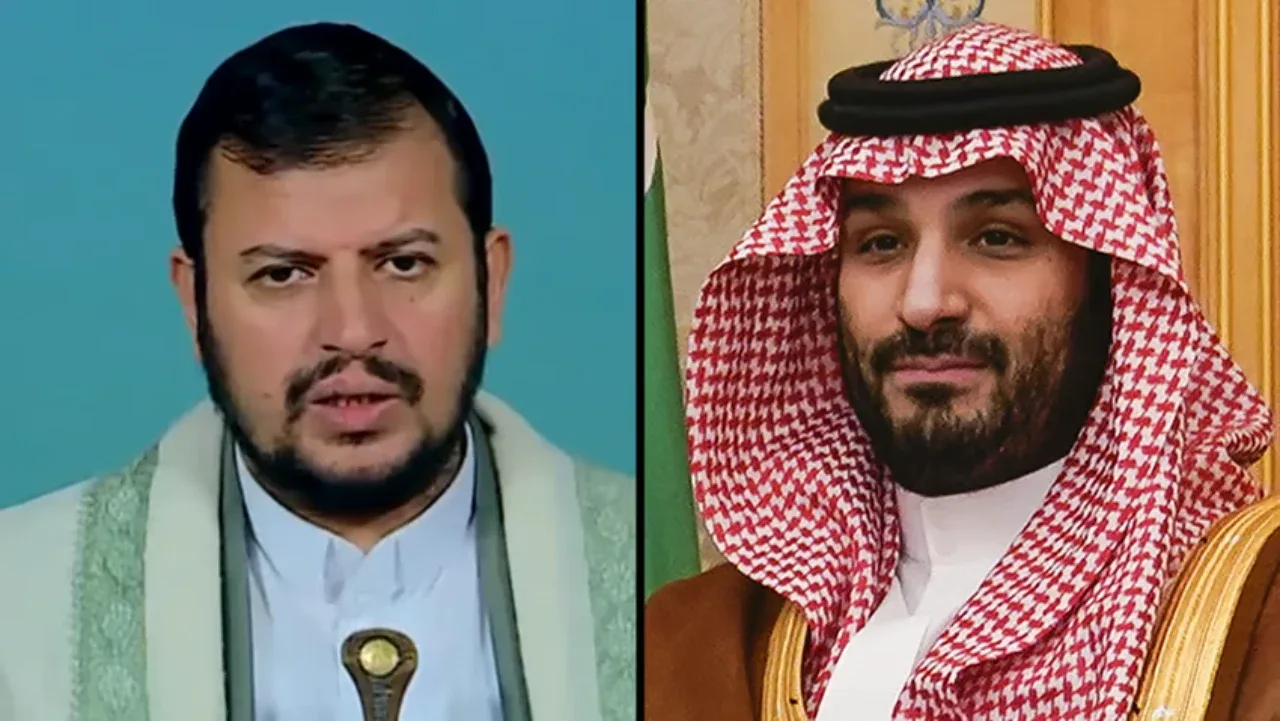
At a time when geopolitical conflicts, drone strikes, and coalition confrontations in the Middle East region have entered a new dangerous phase, one of the most controversial and sharp addresses in history has returned to the spotlight of the international public. The words spoken in 2019 by Abdul-Malik al-Houthi, the leader of the «Ansar Allah» (Houthi) movement in Yemen, addressed to Saudi Arabia's Crown Prince and de facto ruler Mohammed bin Salman, have resurfaced on social media and in analytical circles against the backdrop of today's realities. Back then, the Houthi leader firmly stated that despite Riyadh's vast financial resources, state-of-the-art weaponry, and powerful allies consisting of Western nations, winning this war was impossible.
«Even if the sea, land, oil, money, mercenaries, the US, Israel, Britain, France, and the entire Arab coalition are on your side, you will not win,» al-Houthi had stated, citing the moral and religious factor as the main reason for his confidence. Years later, Saudi Arabia's intensified diplomatic efforts to seek military assistance and the complex situation around the Red Sea are bringing even more pressing questions to this address.
So, what political and military logic lay behind this sharp 2019 statement, did the war in Yemen prove the limited capabilities of modern armies, and how does this address hold a mirror to today's Middle East crisis?
«You have everything, but...»: The open statement by Abdul-Malik al-Houthi
The main essence of the Houthi leader's address to Mohammed bin Salman:
A complete listing of material forces: Al-Houthi openly acknowledged that the Saudi-led coalition has at its disposal sea routes, land borders, endless oil reserves, and trillions of dollars in financial capital;
The siege of global allies: The address emphasized that the US, Great Britain, France, Israel, and Arab nations are providing Saudi Arabia with weapons, intelligence, and political support as a coalition;
The decisive conclusion: «Even though all of these are with you, you will never win, I am completely certain of this. Because Allah is not with you!» — expressed the leader of the Yemeni armed resistance movement.
The 2019 reality and today: Is history repeating itself?
How the military balance in the Middle East has changed over the passing years:
The period after the strikes on «Aramco»: The year 2019 was a complex period when drone and missile strikes were carried out precisely against Saudi Arabia's major oil infrastructure, shaking the global oil market;
The impotence of multibillion-dollar weapons: Despite being equipped with the US's most advanced Patriot and THAAD defense systems, cheap drones and guerrilla warfare tactics in many cases failed to maintain strategic superiority;
The compulsion to peace negotiations: The years of bloody confrontation eventually prompted Saudi Arabia to halt active military operations in Yemen and enter direct ceasefire negotiations with the Houthis.
Ideology and modern warfare: What do military analysts say?
Geopolitical and psychological analyses by experts:
The phenomenon of asymmetric warfare: According to military experts, Abdul-Malik al-Houthi's statement served as an example showing that in modern wars, victory cannot be achieved solely with money, advanced technology, and mercenary troops, and that ideological morale and flexible tactics are the decisive forces;
Today's blockade in the Red Sea: The Houthis' current ability to successfully combat global merchant ships and international military destroyers in the Red Sea is evaluated as a continuation of the claims made in 2019;
Saudi's new security strategy: Today, Riyadh is cautiously trying to avoid entering a new large-scale military conflict with the Houthis and is attempting to maintain balance through diplomatic channels.
Abdul-Malik al-Houthi's sharp outcry from 2019 resonates today in Middle Eastern politics as a symbolic address reminding that military technology and wealth do not always determine the final outcome.
In your opinion, have the multi-year war in Yemen and the balance of forces within it proven that material wealth and powerful allies are not enough for military victory? Why have the world's richest countries and strongest armies failed to completely crush the armed resistance in Yemen over the years? Leave your analytical thoughts in the comments and share this analysis of a famous statement in Middle East history with all history, politics, and geopolitics enthusiasts!



Comments 0
…