


Vatican's Special Envoy is Heading to Moscow: Cardinal Announces His Visit to Russia
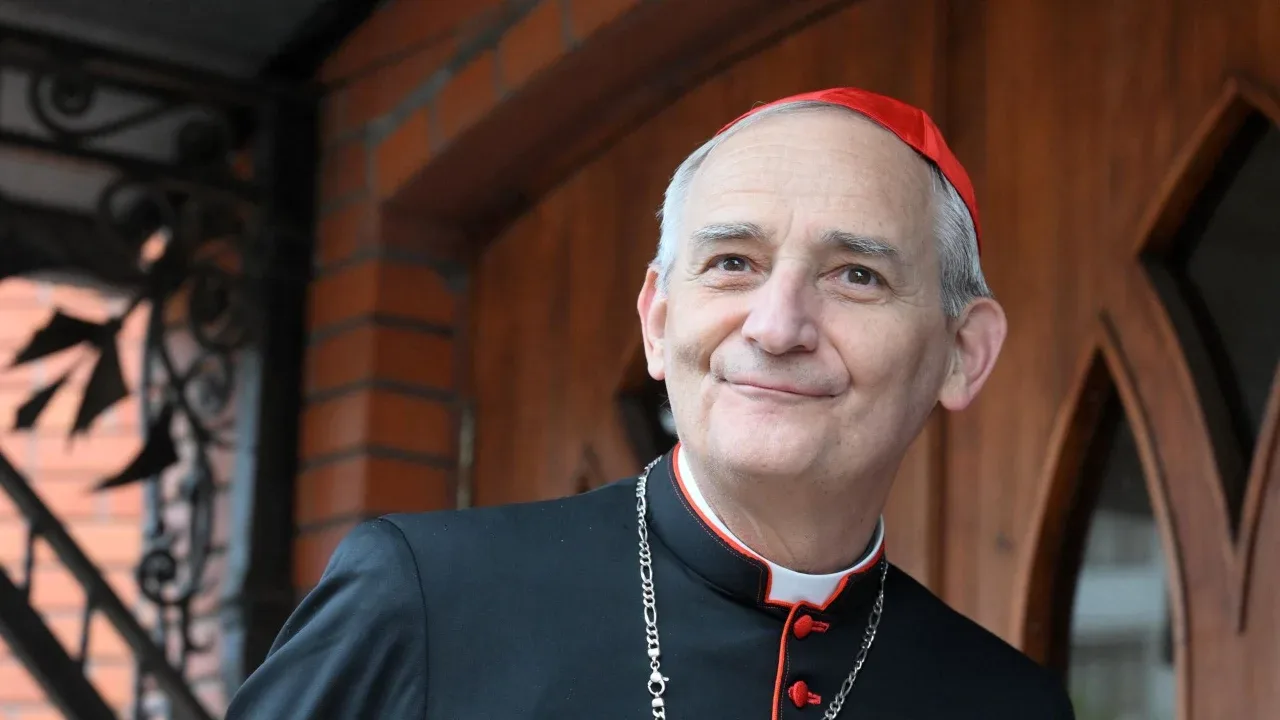
"Vatican's Special Envoy is on the way to Moscow!": Cardinal Matteo Zuppi announced his visit to Russia at the end of September — a new turning point in the humanitarian mission regarding Ukraine?
In the path of resolving the military-political conflict around Ukraine and addressing complex humanitarian issues, the Holy See — the Vatican — is launching its next high-level diplomatic mission. Cardinal Matteo Zuppi, the special envoy for Ukraine of Pope Leo XIV (Robert Francis Prevost) and head of the Italian Bishops' Conference, has revealed plans to pay an official visit to the Russian capital, Moscow, at the end of September of this year. Speaking at the presentation of the festive program dedicated to St. Francis in the city of Assisi, the Cardinal noted: "We are working on organizational matters. I hope to go to Moscow and continue our efforts in the humanitarian direction," he emphasized.
According to information provided by the TASS news agency, the exact program and agenda of the visit are currently being coordinated between the Vatican and Moscow. Notably, this is not the Holy See diplomacy's first move in recent weeks: at the end of August, the head of the Vatican's diplomatic service, Archbishop Paul Richard Gallagher, visited Russia and held important closed-door negotiations in the Kremlin with Russian Foreign Minister Sergey Lavrov and Presidential Aide Yury Ushakov.
So, what exact humanitarian issues lie behind Cardinal Zuppi's visit to Moscow, what role can the Vatican play in prisoner exchanges and the path to peace, and to what extent will this step invigorate dialogue with the Kremlin?
"Late September Visit": Main Goals of Cardinal Matteo Zuppi
Important directions disclosed by Vatican officials and the special envoy:
Continuing the Humanitarian Bridge: Cardinal Zuppi stated that the main goal of the trip is not political resolutions, but directly helping people affected by the conflict, resolving issues of prisoners of war and civilians;
Coordinating the Program: Negotiations and the schedule of official meetings regarding this important mission planned for the end of September are currently being agreed upon bilaterally;
The Chief Negotiator of the Holy See: Matteo Zuppi has previously visited Kyiv, Washington, and Beijing, earning a reputation as a key representative in solving international humanitarian problems;
Diplomatic Continuity: This trip is considered a logical and practical continuation of Vatican diplomacy following the August dialogue in Moscow.
August Preparations: Archbishop Gallagher's Meetings in the Kremlin
Important diplomatic steps that laid the groundwork for the September visit:
Negotiations with Lavrov: Arriving in Russia at the end of August, the head of the Vatican diplomatic service, Paul Richard Gallagher, held comprehensive talks with the head of the Russian Foreign Ministry, Sergey Lavrov;
Dialogue with Yury Ushakov: The Archbishop exchanged views directly with the Russian Presidential Aide for Foreign Policy Issues, Yury Ushakov;
Openness of the Dialogue Channel: At a time when direct political contacts between Western countries and Russia are almost limited, the Vatican remains an important institution maintaining reliable humanitarian dialogue with Moscow.
Diplomatic and Humanitarian Analysis: What Do Experts Expect?
International experts' conclusions regarding this Vatican mission:
Prisoners of War and Family Reunification: According to analysts, the focus during Zuppi's visit will be on strengthening mechanisms for exchanging severely wounded prisoners and returning children separated from their families to their loved ones;
Foundation for Negotiations: Such diplomatic steps serve to restore humanitarian trust between the parties and create a basis for potential future political dialogue;
Effect of Religious-Humanitarian Diplomacy: Under conditions of complex political restrictions, neutral religious-humanitarian platforms are viewed as one of the main tools bringing the parties closer together around one table.
Cardinal Matteo Zuppi's expected visit to Moscow clearly demonstrates that it is possible to maintain ties of philanthropy and humanitarian dialogue even in the most complex geopolitical crises.
In your opinion, how effective can the Vatican's active humanitarian diplomacy be regarding humanitarian issues and prisoner exchanges in the conflict zone? Can such steps by the Holy See bring the parties closer to peace negotiations? Leave your analytical thoughts in the comments and share this review of this important event in international diplomacy with all interested parties and friends!



Comments 0
…