


"Secret call to Tehran!": China asks Iran to restrain Yemen's Houthis
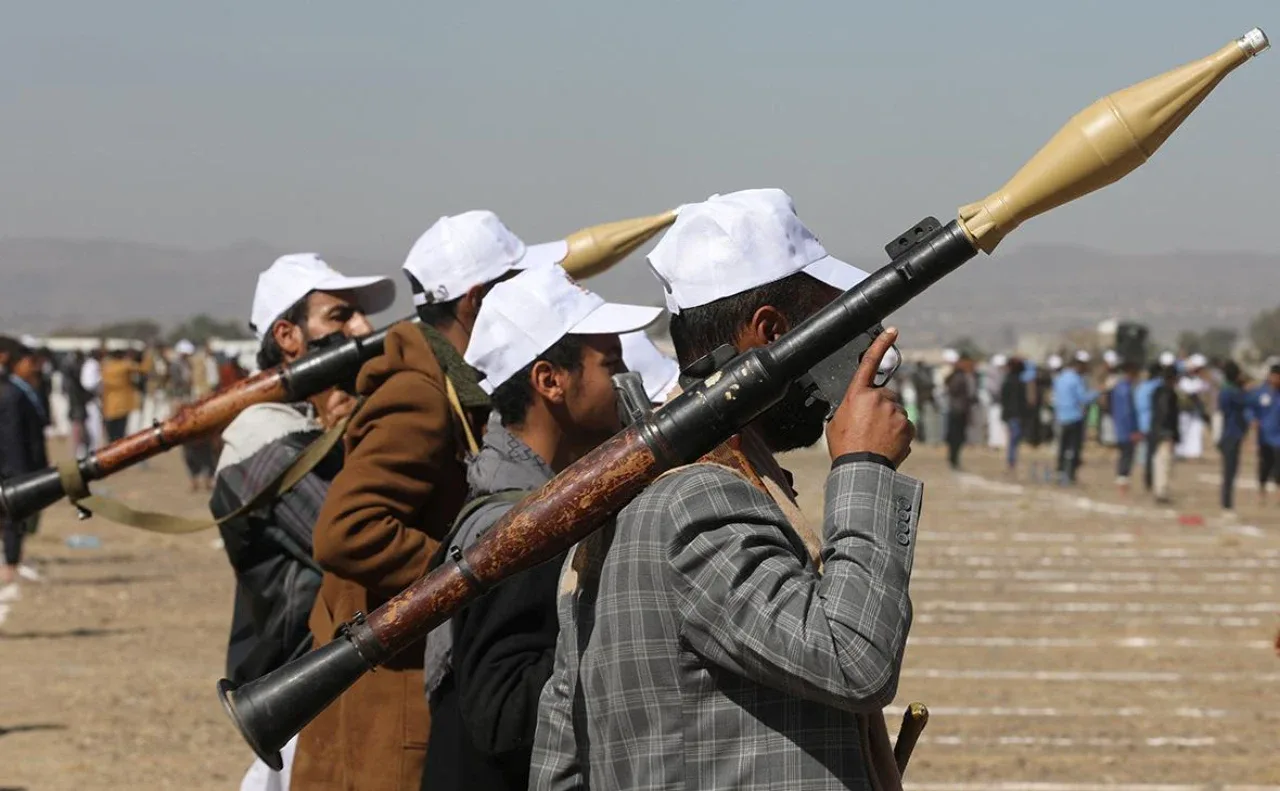
Amid intensifying geopolitical tensions around the Red Sea and the Bab al-Mandab Strait—considered one of the world's most vital oil and trade arteries—official Beijing is forced to actively intervene behind the scenes in regional developments. According to confidential information disseminated by Great Britain's influential "Reuters" news agency, citing reliable and informed sources in Iran, Chinese authorities appealed to Tehran through private and closed channels, asking for practical assistance in stopping and restraining the Houthi movement in Yemen. This secret diplomatic step was directly prompted by Saudi Arabia's official appeal to Beijing for help.
The thing is, as a result of the Houthis' rapid advance along the Red Sea coast and the strategic strait, Saudi Arabia's oil exports and international tanker traffic have been placed in direct jeopardy. Beijing's unofficial demands, while it continues to call for moderation, political dialogue, and the restoration of freedom of navigation in its official statements, turned out to be quite specific and firm: China by no means wants the closure of global energy routes upon which its economy directly depends. However, official Tehran's response to this request shows that achieving peace in the region will not be easy.
So, how much influence can China's pressure on Iran exert, why did Saudi Arabia seek salvation from Beijing rather than the US, and what conditions were set during Iranian Foreign Minister Abbas Araghchi's visit to China?
"Saudi Request and Beijing's Interests": The True Causes of Secret Negotiations
Details of closed diplomacy revealed by "Reuters" sources:
Saudi Arabia's plea for help: Once Red Sea oil terminals and tanker traffic came under Houthi targeting, Riyadh relied on Beijing's diplomatic influence to resolve the issue;
Houthis' advance along the strait: The Yemeni rebels' capture of the Bab al-Mandab coast put the export of Persian Gulf oil to world markets at serious risk;
China's energy vulnerability: Beijing is not only a proponent of stability in the Middle East, but since a large portion of the raw materials consumed by Chinese industry passes through these very sea routes, it cannot allow the conflict to expand;
Request without economic pressure: In negotiations with Tehran, China emphasized reaching an agreement in the spirit of mutual strategic partnership without deploying sanctions or economic pressure levers.
Iran's Response: "Peace Depends on the US and Israel!"
Tehran's firm stance regarding Beijing's appeal:
Main condition: Sources in Iran noted that Tehran stated security in the region and the actions of the Houthis depend directly on halting the aggressive policies of the US and Israel;
Abbas Araghchi's visit: It is presumed this appeal may have been reviewed within the framework of Iranian Foreign Minister Abbas Araghchi's official visit to China;
The Houthis' "independence" card: As usual, Iran is avoiding full responsibility by using the pretext that Yemeni forces make their own decisions independently.
Geopolitical Analysis: Beijing Replacing Washington
International experts' conclusions regarding Chinese diplomacy:
Status of chief mediator in the Middle East: It is a significant turning point that Saudi Arabia turned not to the US—its traditional military ally in security matters—but to China, which reconciled Riyadh and Tehran in 2023;
The limit of the "two-faced game": On one hand, Beijing, alongside Russia at the UN, is vetoing Western resolutions against the Houthis, while on the other, it is demanding that the Houthis be curbed to preserve its own oil supply;
Test of security guarantees: If Beijing succeeds in reducing Houthi attacks through Tehran, it will prove that China's influence in the Middle East surpasses even that of the US.
This secret appeal sent by China to Tehran shows that the crisis in the Red Sea has begun to directly affect Beijing's national economic interests and that the behind-the-scenes competition among major powers has intensified further.
Do you think Tehran will take China's request into account and restrain the Yemeni Houthis, or will the Red Sea shipping crisis deepen further? Does Saudi Arabia seeking salvation from China instead of the US mean the end of Washington's standing in the region? Leave your analytical thoughts in the comments and share this analysis of grand geopolitics and secret diplomacy with all politics enthusiasts and friends!



Comments 0
…