


"I lost and I am leaving": Swedish Prime Minister resigns after election defeat
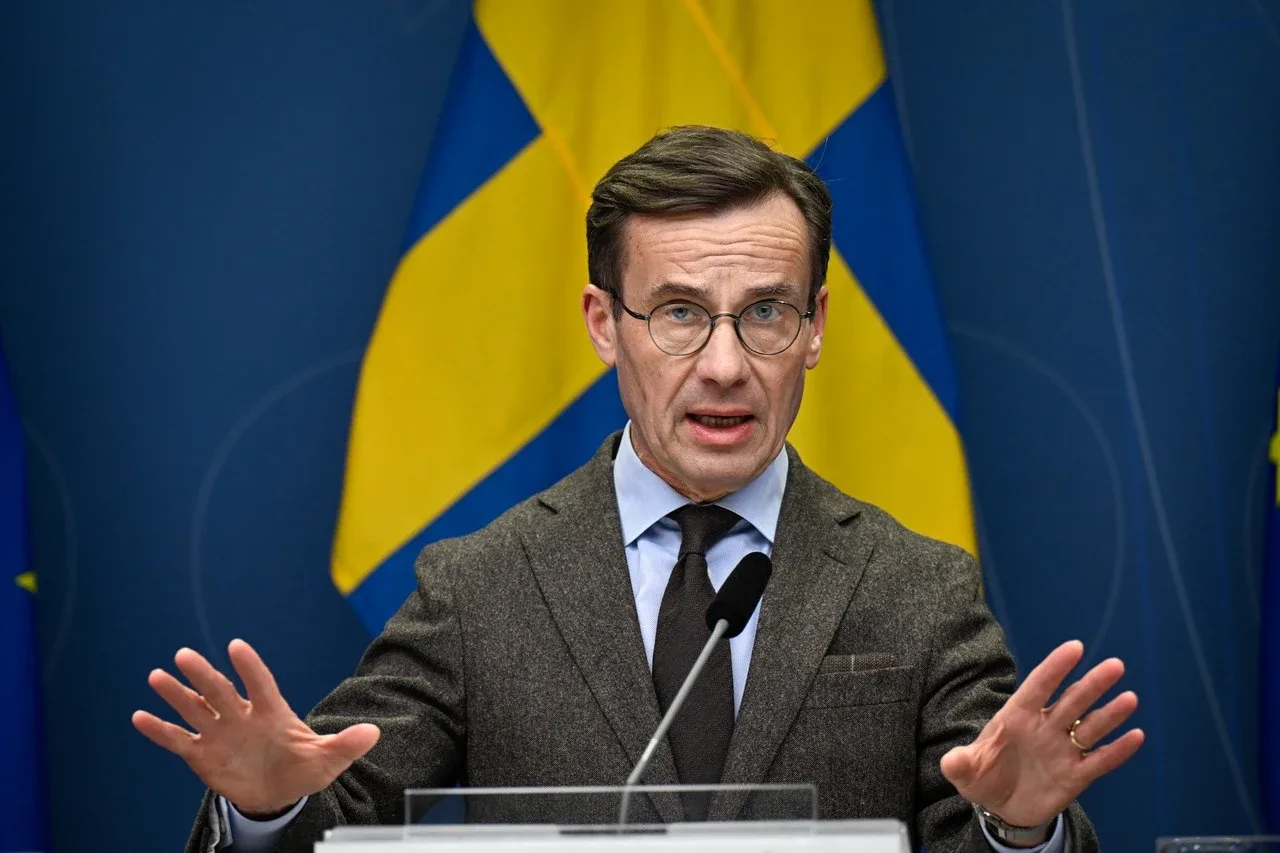
An unexpected and sharp political earthquake has occurred in the Kingdom of Sweden, considered one of Europe's most stable and developed nations. According to a report by the influential British publication Great Britain's «The Guardian», the country's Prime Minister Ulf Kristersson announced his resignation after it was officially confirmed that the incumbent government coalition lost the parliamentary (Riksdag) elections. "I ask you to relieve me of the duties of Prime Minister," Kristersson wrote in an official letter addressed to the Speaker of Parliament and published the document on his «X» (formerly Twitter) page.
Following the nationwide voting process held on September 13, the Central Election Commission fully counted the results from all 6,626 polling stations and presented the final report. According to it, the Social Democratic Party led by former Prime Minister Magdalena Andersson and the four-party center-left opposition block snatched a historic victory with a margin of just 50,359 votes. While the opposition secured 176 seats in the new parliament, Kristersson's incumbent 3-party coalition and the far-right «Sweden Democrats» party, which was expected to join the government after the election, were limited to just 173 mandates.
So, how will a mere 3-seat difference change the politics of the Scandinavian giant, how did Magdalena Andersson stage a comeback, and how will the fall of the right-wing forces affect decisions regarding the European Union and NATO?
«A 50-thousand-vote drama and 176 mandates against 173»: Details of the election results
Final figures announced by the Swedish Central Election Commission:
All precincts counted: Results from all 6,626 polling stations for the voting held on September 13 were fully verified;
Narrow opposition victory: The center-left coalition prevailed over the incumbent government by a margin of only 50,359 votes;
The decisive 3-mandate difference: The opposition blocks won 176 parliamentary seats in the 349-seat Riksdag, forming an absolute majority;
Crisis of the Kristersson block: The incumbent government and their allied right-wing radical coalition turned into the opposition with only 173 mandates;
Magdalena Andersson's revenge: The former prime minister and leader of the Social Democratic Party got the opportunity to govern the country again after a short break.
«Release me»: Ulf Kristersson's concession of defeat
The head of government's resignation and political stance:
Official letter: As soon as the results became clear, Kristersson submitted an application to the Speaker of Parliament to step down;
Open admission on «X»: True to Scandinavian political culture, he fully accepted the election results and publicly announced his decision to the people;
Far-right dreams shattered: The «Sweden Democrats» party, which expected high results in the election and planned to join the government, lost its chance to come to power.
Political analysis: What radical changes await Sweden?
Analytical conclusions of international experts and political scientists on the new situation:
Social policy and taxes: With the return of the center-left to power, healthcare, education, increasing social benefits, and tightening tax pressure on major corporations will come to the agenda;
Easing of migration policy: Strict restrictions against migration and refugees introduced during the right-wing coalition era may be reconsidered by the leftist forces;
Foreign policy and NATO: According to experts, Sweden's NATO membership and general strategic position on supporting Ukraine will be maintained, but cooperation with the European Union on climate and green economy will intensify.
Ulf Kristersson's concession of defeat and stepping down demonstrated democratic traditions and how valuable every voter's voice is, while also heralding a new era of leftist forces in Sweden.
In your opinion, how will the return of the center-left to power in Sweden affect migration and economic policy in Scandinavia? Will the new government, formed with a difference of just 3 parliamentary seats, be able to govern the country stably? Leave your analytical thoughts in the comments and share this review of this historic event in European politics with all international politics enthusiasts and your friends!



Comments 0
…