


Little known: 15 healthy foods that won't make you gain weight revealed
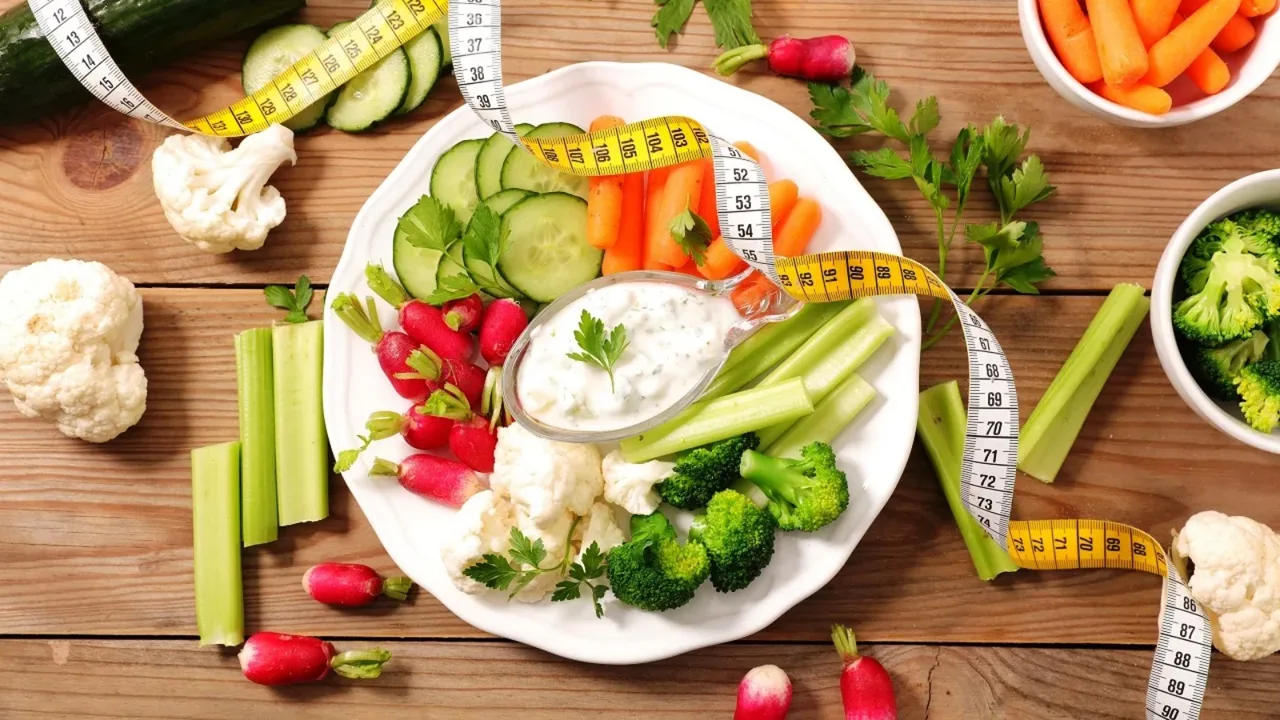
Most people think it is difficult to control their weight without restricting themselves from delicious foods. However, it is entirely possible to add tasty and healthy foods to your daily diet. Various fruits, vegetables, plants, and seafood bestowed by nature help maintain a healthy eating routine.
Below we take a look at 15 foods with relatively low calories — up to 100 kilocalories. Of course, it is important to consume any food in moderation.
Asparagus
Known both as a vegetable and an ornamental crop, two species of asparagus are found in the nature of Uzbekistan. The total nutritional value of approximately 5 large asparagus spears is 20 kilocalories. It can be consumed with various sauces, but the extra calories in the sauce must also be taken into account.
Edamame beans
Edamame is a type of green, unripe soybean pod. It is rich in essential nutrients such as protein, vitamin E, and fiber.
Approximately 100 grams of edamame contains 63 kilocalories, 4.7 grams of protein, 6.3 grams of carbohydrates, and 2 grams of fat. In Eastern countries, it is consumed with soy sauce. However, additional sauces can increase the calorie content of the dish.
Sea clams
The nutritional value of 4–5 large sea clams is approximately 89 kilocalories. They contain 17 grams of protein, 2.7 grams of carbohydrates, and 0.9 grams of fat.
Shrimp
This small species of crustacean is also considered one of the low-calorie foods. 100 grams of shrimp contains 85 kilocalories, 20 grams of protein, 0.5 grams of fat, and 0 grams of carbohydrates.
At the same time, frying shrimp in oil can significantly increase its overall calorie content.
Raspberries
Raspberries, loved by many, are also among diet-friendly berries. 100 grams of raspberries contain about 50 kilocalories. It contains 1.4 grams of protein, 12 grams of carbohydrates, and 0 grams of fat.
Strawberries
Strawberries are also a flavorful fruit with relatively low calories. The energy value of 100 grams of strawberries is 36 kilocalories.
Pineapple
100 grams of pineapple, which is about one cup of peeled pineapple chunks, contains 57 kilocalories. The energy value and beneficial properties of canned and fresh pineapples may differ from each other.
Kiwi
One large kiwi contains about 61 kilocalories. It is noted that it contains more vitamin C than an orange.
Celery
The average 2 stalks of celery contain 0.7 grams of protein, 3 grams of carbohydrates, and 0.2 grams of fat, with a total energy value of 17 kilocalories. This green is also famous for its ability to improve metabolism.
Baby carrots
Baby carrots are not much different from regular vegetables. Their main convenience is that they are easy to consume and do not require peeling. The total energy value of 10 small carrots is equal to 41 kilocalories.
Boiled egg
1 boiled egg contains about 70 kilocalories. It includes 12 grams of protein, 10 grams of fat, and 0 grams of carbohydrates.
Red beans
Red beans are one of the nutritious foods frequently recommended by nutritionists. 100 grams of red beans contain 85 kilocalories.
Greek yogurt
Because its preparation technology differs from regular yogurt, Greek yogurt is considered a relatively low-calorie food. The energy value of 100 grams of sugar-free Greek yogurt is 100 kilocalories.
Red apple
100 grams of red apple contains 53 kilocalories. The source also indicates 12.3 grams of protein, as well as fat and carbohydrate indicators.
Watermelon
Water-rich and flavorful watermelon is also mentioned among low-calorie foods. 200 grams of watermelon contain about 42 kilocalories.
This melon crop is usually recommended to be consumed in late summer and autumn. Watermelon, like other foods, can be part of a healthy eating routine if consumed in moderation in the daily diet.


Comments 0
…