


“99.9% of Footballers Are Unhappy”: Gaël Kakuta Speaks Out
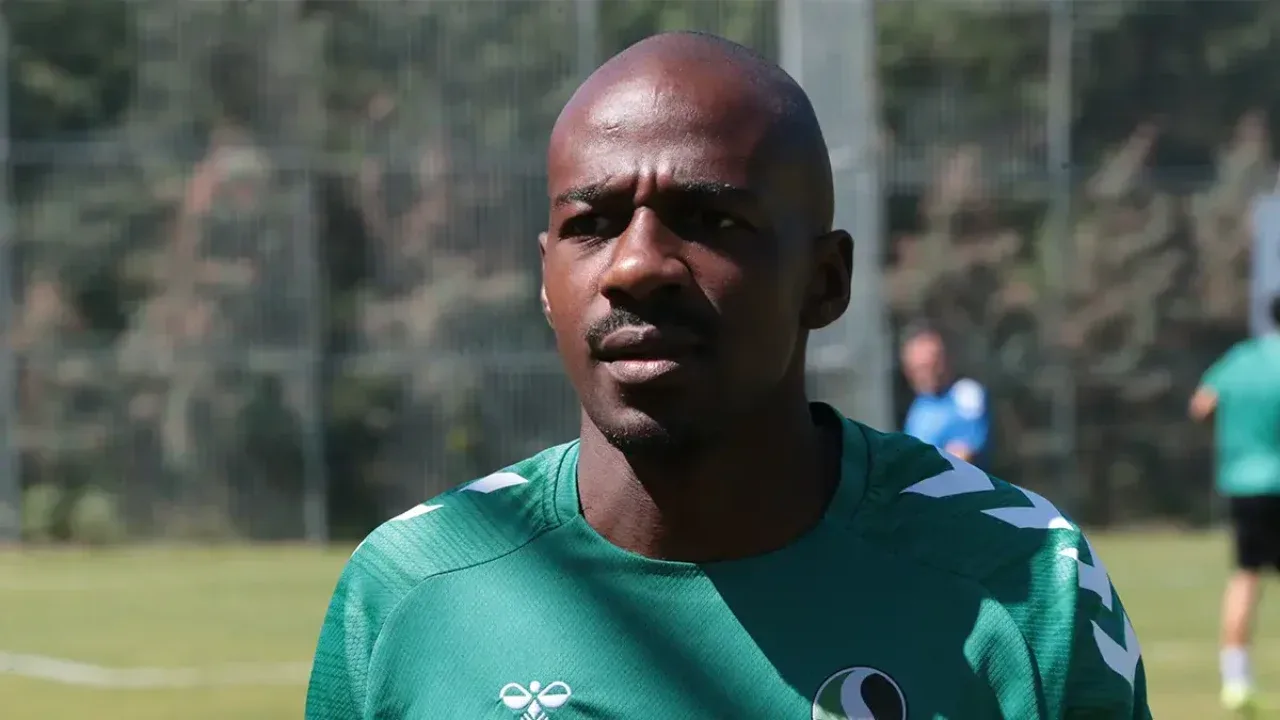
Big salaries, packed stadiums and millions of fans—professional football may appear to be the brightest form of success from the outside. But Gaël Kakuta, who played for the DR Congo national team, said that pressure, insecurity and deep loneliness are hidden behind this image.
His claim that “90, or even 99.9%, of footballers are unhappy” is not scientific statistics, but a personal conclusion formed during his many years in the game. Nevertheless, the problems Kakuta raised have also been identified as serious risks in studies conducted by international football organizations.
“No one asks how you feel”
In an interview with Capte, Kakuta stressed that the burden placed on a professional footballer is far heavier than it appears to fans.
“In my opinion, 90% of footballers, even 99.9%, are unhappy. They carry a very heavy burden and enormous responsibility. No one is interested in what they actually feel.”
A footballer must deliver results in every match, justify the coach’s trust, withstand criticism from fans and compete for his place at the club. A single mistake on the pitch can sometimes affect his career, income and future with the team.
In such an environment, an athlete’s emotions become secondary. They are expected to appear not as a tired or mentally distressed person, but as a professional always ready to win.
Wealth Does Not Eliminate Insecurity
Kakuta said that one of the hardest issues for footballers is understanding the true intentions of the people around them.
“After a certain point, you no longer understand who the people beside you are. You do not know why they are with you. You also stop believing that your relationships are genuinely sincere.”
Fame can bring more friends, advisers and people with various interests into a player’s life. But it becomes harder for a footballer to understand who genuinely cares about him and who wants to exploit his reputation or financial opportunities.
As a result, the athlete may begin to distrust not only strangers but also those closest to him. In Kakuta’s view, this is precisely why many footballers learn to hide their true emotions.
The Mask Does Not Come Off at Home
In professional sport, showing weakness is often perceived as surrendering an advantage in competition. It is not easy for every footballer to speak openly about fear of injury, losing a place in the starting XI or facing criticism.
Kakuta described this situation as “living behind a mask.”
“A large proportion of footballers live behind a mask. They do not take it off at home, with their families or among their friends.”
A footballer may smile on social media, drive an expensive car and present himself as happy in front of fans. But that does not mean he sleeps peacefully at night or has overcome his inner pressure.
Kakuta also said that some athletes turn to various medications to cope with sleep problems or other mental difficulties. This is not a general condition affecting all footballers, but it shows that hiding problems can lead some people down dangerous paths.
Research Also Shows the Seriousness of the Risk
The 99.9% figure cited by Kakuta is not the result of a study. However, according to FIFPRO, more than one in three active footballers experience symptoms such as anxiety, depression, psychological distress or sleep disorders.
In a survey of more than 1,000 athletes conducted by the Professional Footballers’ Association of England, one in five footballers reported experiencing severe anxiety. Only 38% of male footballers and 26% of female footballers said they were willing to tell their club about a mental-health problem.
In another PFA study, 68% of footballers said that fear of injury negatively affected their mental health. This shows that anxiety in professional sport is linked not only to defeat or criticism, but also to the possibility that a career could change in an instant.
“Being Alone Means Facing Yourself”
One of Kakuta’s most difficult observations concerned footballers’ attempts to escape loneliness.
“Most people run away from loneliness. Because facing loneliness means facing yourself.”
Constant matches, training sessions, travel and public events can allow people to avoid thinking about their inner problems. But when the noise stops, pressure, anxiety and unanswered questions return.
That is why an independent psychological support system is important for footballers. In recent years, FIFA and FIFPRO have urged athletes not to hide mental-health problems, but to speak with someone they trust or with a professional. FIFA has also launched a special campaign to encourage open dialogue about mental health in football.
The Hidden Side of Football Kakuta Knows
During his career, Gaël Kakuta played for clubs such as Chelsea, Rayo Vallecano and Lens. As a young talent, he experienced high expectations, loan spells, transfers and a constantly competitive environment.
His strong statement does not mean that all footballers live the same life. But it is a reminder that money and fame do not automatically protect a person from inner pain, loneliness or insecurity.
Fans see a footballer’s 90-minute performance in the stadium. His sleep at night, fear of injury, pressure within his family or inability to trust the people around him often remain out of sight.
Leave your opinion in the comments and share the article with your friends on Telegram or other social networks!



Comments 0
…