


Colossal shifts focus from de-extinction to saving living species
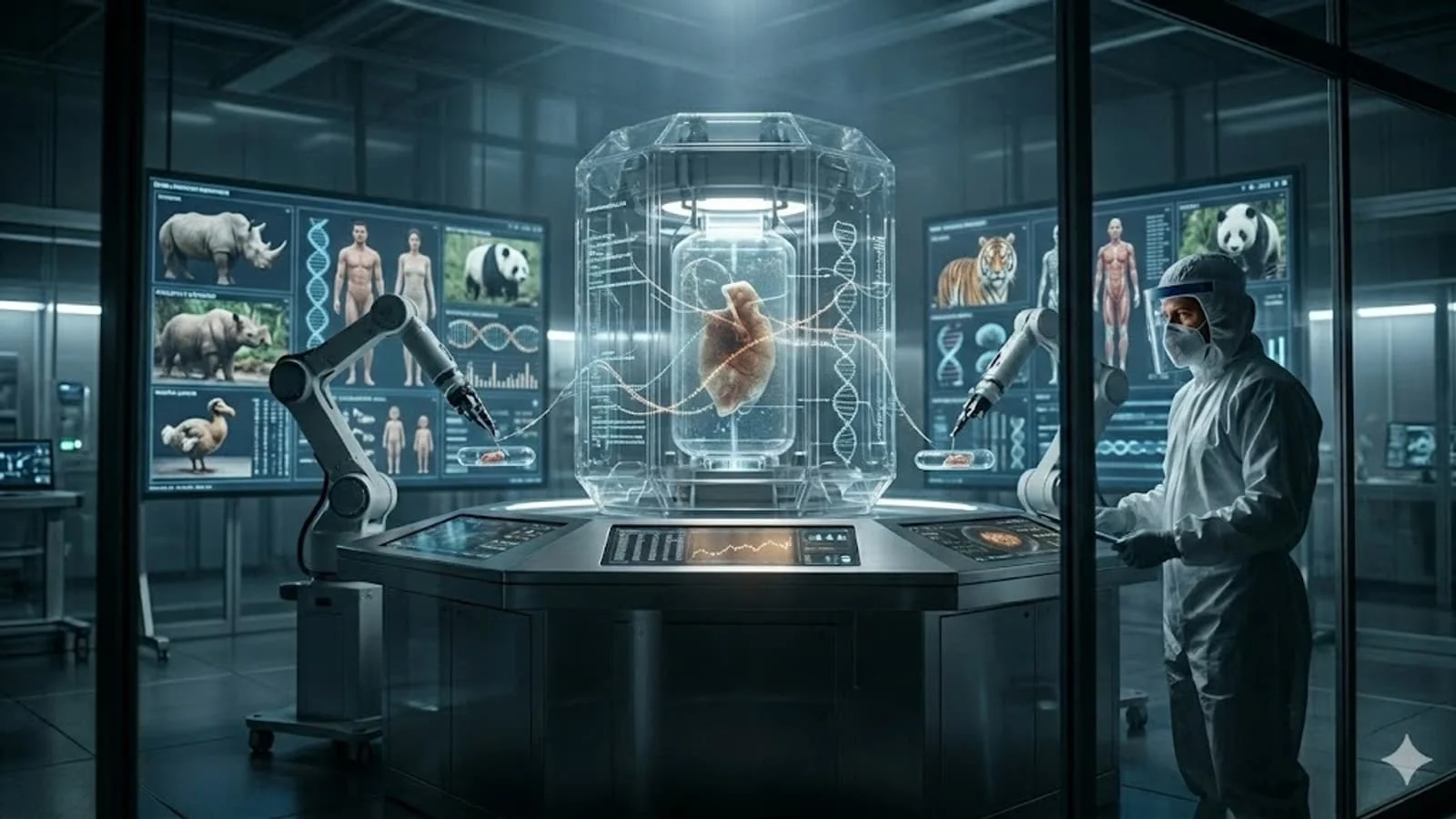
The Dallas-based biotech startup Colossal is changing its scientific strategy. The company, known for its projects to "resurrect" mammoths and ancient predators, is now shifting its focus to preserving existing species. Ixbt.com reports.
Earlier, the company had launched projects to restore the woolly mammoth and Tasmanian tiger. However, the "wolves" presented in 2025 were criticized by the scientific community.
Experts described this as creating new hybrid organisms rather than restoring species.
A new project announced in April is aimed at restoring a subspecies of South African antelope that went extinct in the 1800s. Colossal CEO Ben Lamm notes that the technologies developed can be used to protect modern species.
The company is paying special attention to reproductive biotechnology methods, particularly the technique of extracting egg cells from living animals using ultrasound. This method is expected to significantly facilitate captive breeding programs for rare species.
Additionally, Colossal is advancing a global biobanking initiative for systematic preservation of genetic material from rare and endangered species. This will allow future generations of biologists to preserve genetic diversity even if wild populations disappear.



Comments 0
…