


Intel to Retain LGA 1700 Socket: New Details on Raptor Lake Next Processors
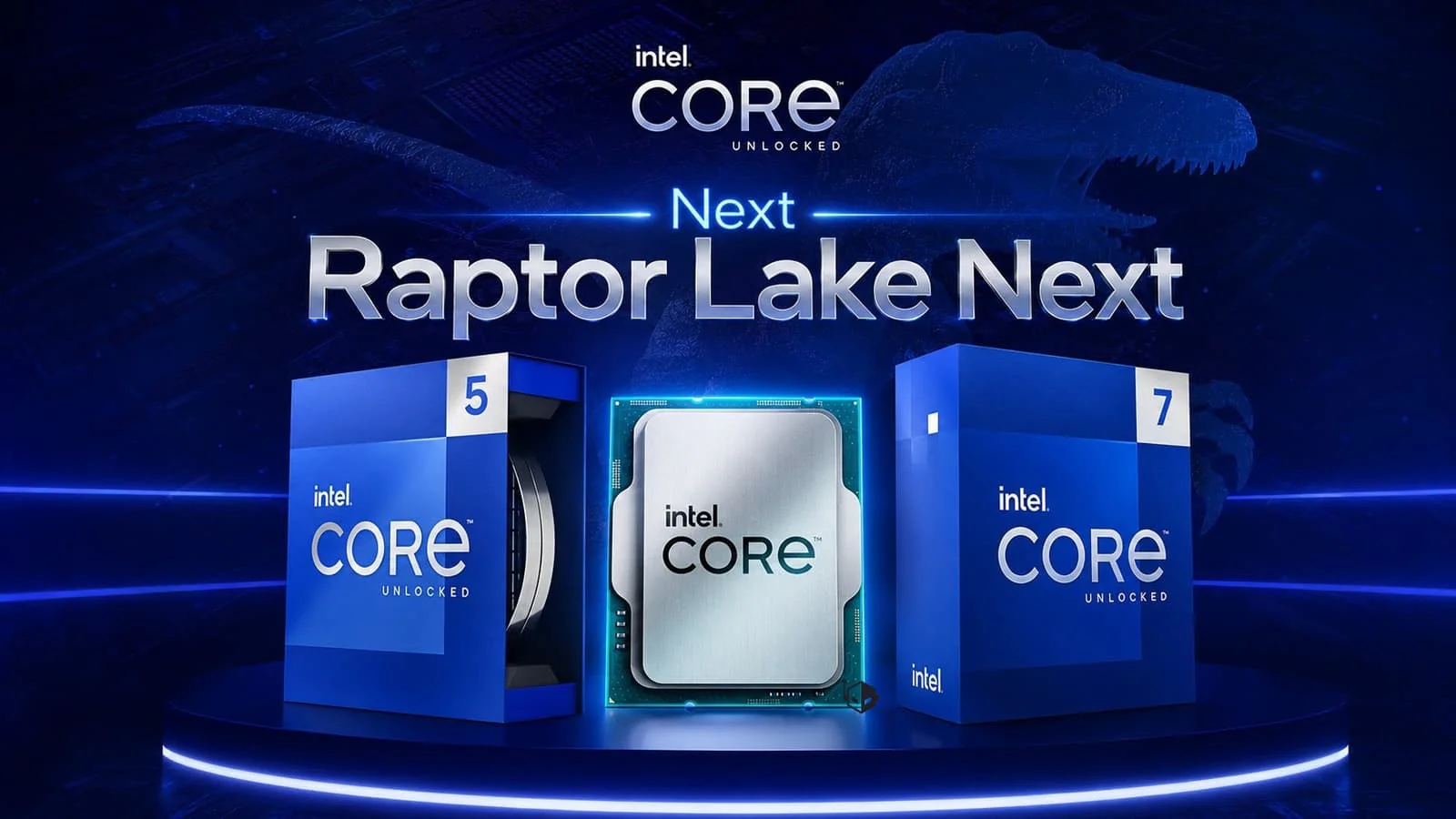
Intel has decided to extend the lifespan of the LGA 1700 socket, one of its most popular platforms. According to recent reports, the tech giant plans to introduce new processors from the Raptor Lake Next family compatible with this socket in early 2027. This move will allow many users to boost their PC performance without needing to purchase new motherboards. This is reported by Ixbt.com reports .
As reported by Ixbt.com, the new series will be part of the Core 200 family and will include the Core 3, Core 5, and Core 7 series. These chips are based on the familiar Raptor Cove (performance cores) and Gracemont (efficiency cores) architectures. Intel will continue to use the existing Intel 7 process node rather than introducing entirely new technological solutions this time.
Technical specifications and cache memory innovation
One of the most interesting aspects of the Raptor Lake Next series is expected to be a new cache memory management scheme. According to reports, even disabled computing units in some models could provide additional L3 cache capacity. This asynchronous approach serves to significantly increase overall performance without increasing the number of active cores.The new processor lineup is expected to include the following models:
- Core 7: 8 performance and 12 efficiency cores;
- Core 5: 6 performance and 8 efficiency cores;
- Core 3: 6 performance cores only (without efficiency cores).
Market competition and prospects
The market debut of Raptor Lake Next processors is expected to coincide with the release of AMD chips based on the Zen 6 architecture. However, while next-generation products like Intel Nova Lake or AMD Zen 6 are aimed at high-end enthusiasts, Raptor Lake Next will remain a stable and affordable solution for the mass market.Considering that LGA 1700 systems are very widespread in the market, this news is also significant for local users and system administrators. The new processors will allow for the modernization of computer fleets while maintaining existing infrastructure for several more years.
In conclusion, Intel is in no hurry to abandon its successful platform. Although this is not a revolutionary leap, it is a strategic move to maximize existing resources and maintain user loyalty.


Comments 0
…