


South Korea Faces Shortage of Gas Essential for Chip Production
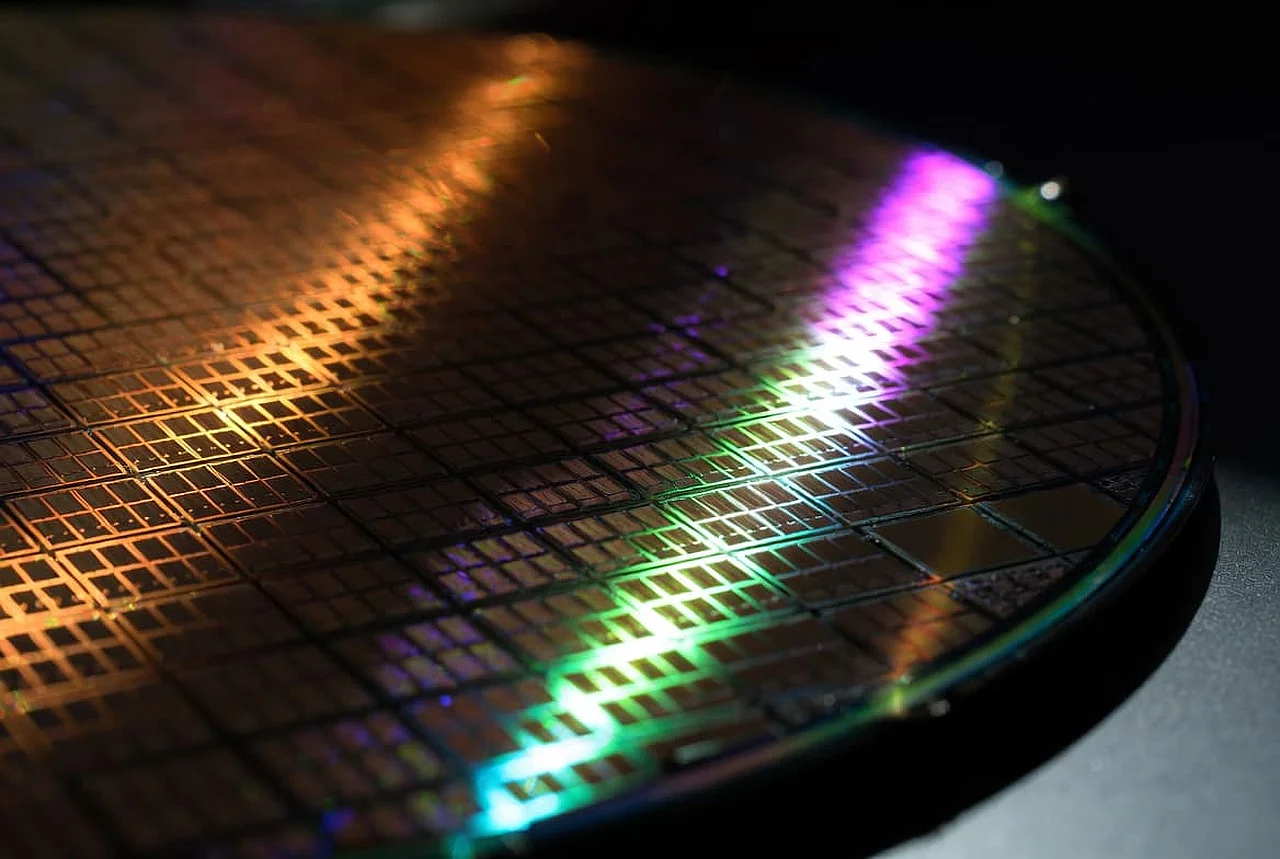
South Korea, one of the global hubs of the semiconductor industry, has seen a sharp decline in reserves of high-purity carbon dioxide (CO2) gas, which is critical for the production of modern microchips. This raw material shortage could lead to price increases for memory chips and electronics not only for regional manufacturers but worldwide. This is reported by Ixbt.com news reports.
According to The Elec, citing reliable industry sources, chipmakers and their suppliers in South Korea currently have less than a month's worth of gas reserves. Typically, companies maintain a two-week operational reserve, allowing production to remain stable for a month even during supply disruptions. However, the current decline in supply has reached an alarming level.
Samsung and SK hynix at Risk
South Korea's tech giants are the primary consumers of this gas. According to data, Samsung Electronics consumes approximately 1,800–2,000 tons of high-purity CO2 per month, while SK hynix uses 600–700 tons. While this shortage has not yet led to factory shutdowns, both companies are attempting to increase their additional purchase volumes.Market participants note that although manufacturers are willing to pay higher prices for the gas, finding additional volumes of raw materials on the market is becoming increasingly difficult. This indicates the possibility of serious disruptions in the production chain.
Why is this gas so important?
High-purity carbon dioxide is used in the supercritical cleaning process of semiconductor wafers. In this state, CO2 possesses the properties of both a liquid and a gas simultaneously. This unique state allows for the effective removal of contaminants from the ultra-thin and densely packed structures of modern chips. Without this technology, producing high-performance microchips is nearly impossible.The main cause of the shortage is linked to a decrease in raw material production. Such gas is obtained as a byproduct of oil refining, the petrochemical industry, and hydrogen production. Reduced capacity of petrochemical plants in South Korea and instability in oil supplies due to geopolitical tensions in the Middle East have further exacerbated the situation.
Since the beginning of 2024, the price of liquefied CO2 has increased by approximately 20%. Experts believe the gas shortage will last at least until the end of the year. If the situation does not improve, it could lead to a significant price increase for DRAM and NAND memory modules on the global market, which in turn will affect the prices of smartphones and computers.


Comments 0
…