


NVIDIA unveils a $500 billion plan for AI data centers
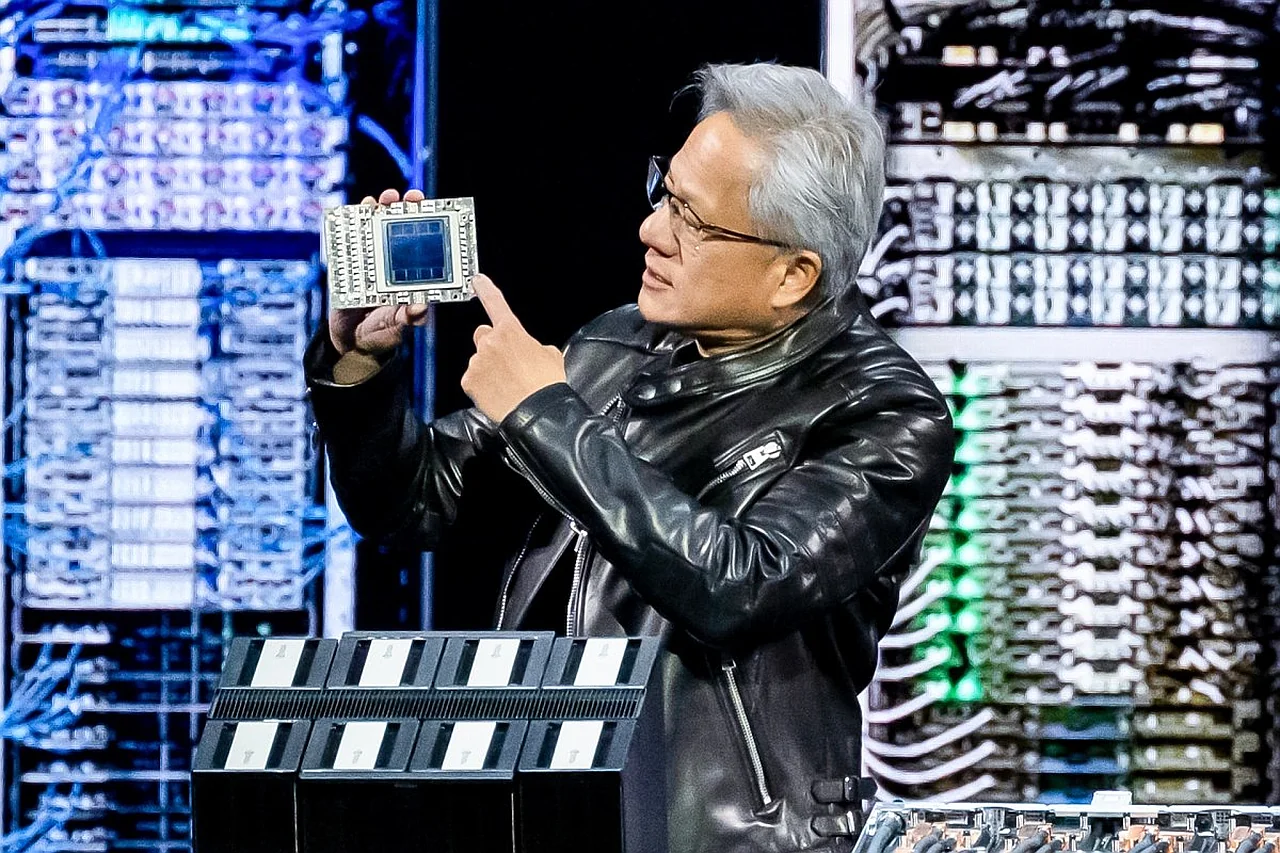
NVIDIA, a global market leader, has announced an ambitious and risky plan aimed at raising up to $500 billion to build AI data centers. The initiative is causing intense debate in the modern technology market, not only because of its enormous financial scale but also because it aims to create a secondary market for increasingly outdated graphics chips. According to Techcrunch.com reports.
According to ixbt.com, major financial institutions including Apollo, BlackRock, Blackstone, Brookfield, Goldman Sachs and KKR have expressed their willingness to invest in the massive project. The key development attracting attention is NVIDIA’s agreement to use its own funds to guarantee that its chips retain their value when used as collateral in multimillion-dollar contracts.
Financial risks and market reaction
According to market analysts, the company’s move is both a smart and a risky strategy. Even the bond market showed some concern, after which NVIDIA CEO Jensen Huang appeared on social media and a business television channel to explain in detail how the company’s risks would be limited.Under the plan, if a data center owner defaults on a loan and the lender is forced to sell the chips, but their price turns out to be lower than expected, NVIDIA will cover up to 25% of the difference. This could create a reverse-risk scenario in the financial world, in which obligations increase as demand declines.
Startups and secondary-market prospects
Behind these financial maneuvers lies another factor that is highly important for startups and large enterprises. Jensen Huang aims to ensure that the used AI hardware ecosystem flourishes, helping maintain stable demand for aging NVIDIA equipment.According to Bloomberg estimates, the company has been directing billions of dollars to support leading AI labs such as OpenAI and Anthropic, as well as cloud service providers including CoreWeave, Nebius, Firmus and Lambda. However, it is no secret that experts are comparing this approach with some questionable schemes from the past.
Nevertheless, Jensen Huang emphasized that this initiative differs from past cases. Instead of lending directly to its customers, the company is bringing independent institutional capital into the AI infrastructure market. This places most of the risk on financial partners while potentially protecting part of the chips’ future value.


Comments 0
…