


Ancient mausoleums discovered in Aswan enriched the history of Egypt
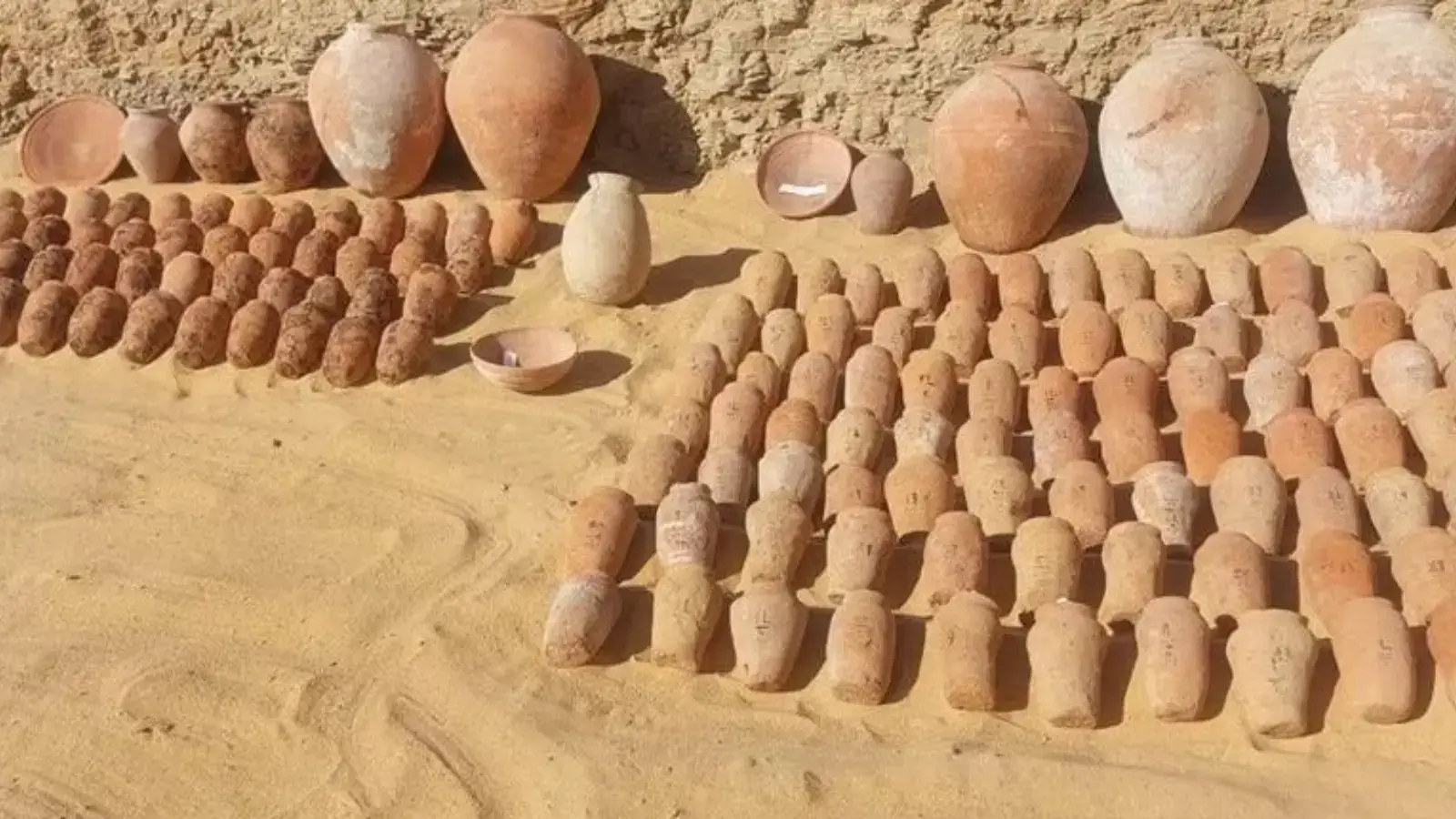
Archaeologists made another important discovery in the area of the Qubbat al-Hawa necropolis, located in the Egyptian city of Aswan. Among the new finds is a complex of tombs carved into the rock, dating back to the era of the Old Kingdom. Officials emphasize that these mausoleums were built between approximately 2649-2150 BC.
The most interesting thing is that these mausoleums are not limited to just one period. Scientists have found that they were repeatedly used in subsequent centuries. In particular, the mausoleums were reused during the First Transitional Period and later during the Middle Kingdom. This indicates that the Qubbat al-Hawa territory did not lose its significance even at several historical stages.
According to Hisham al-Laysi, a representative of the Egyptian High Council for Ancient Monuments, approximately 160 ceramic vessels were found inside the two tombs. Many of these vessels are well-preserved, and on their surfaces there is hieratic writing - that is, texts written in ancient Egyptian italics. This find is extremely valuable not only from an archaeological point of view, but also from the point of view of the history of writing.
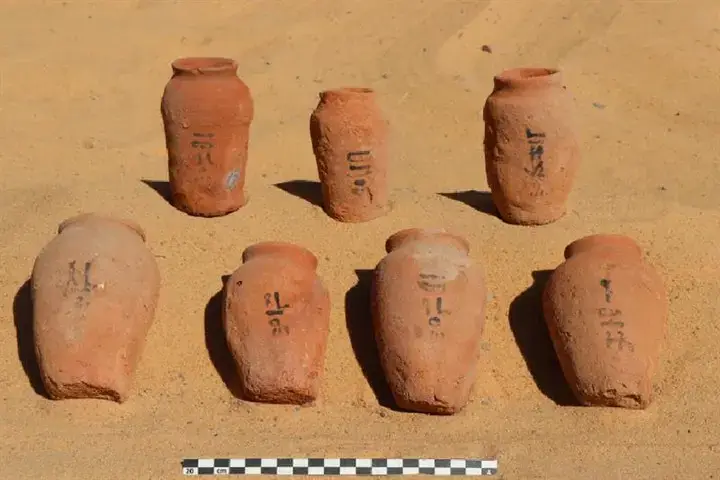
Experts, based on preliminary analyses, say that liquids and grain products may have been stored in these containers. Therefore, this is not an ordinary household item, but a material evidence that provides valuable information about the funeral ceremony and the lifestyle of that time.
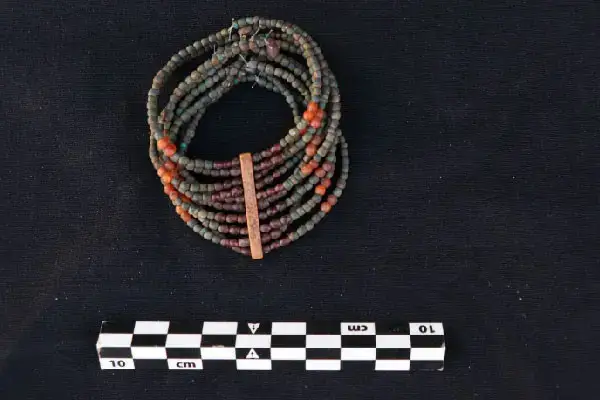
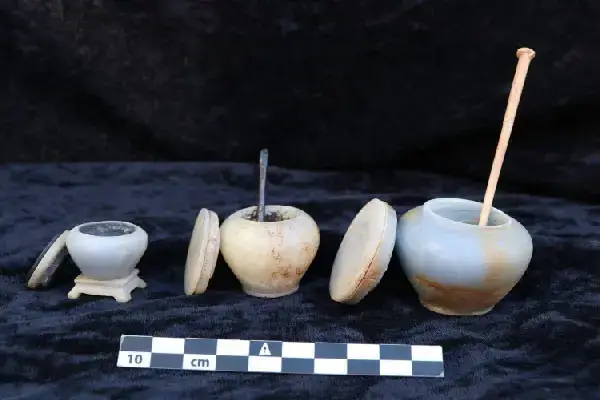
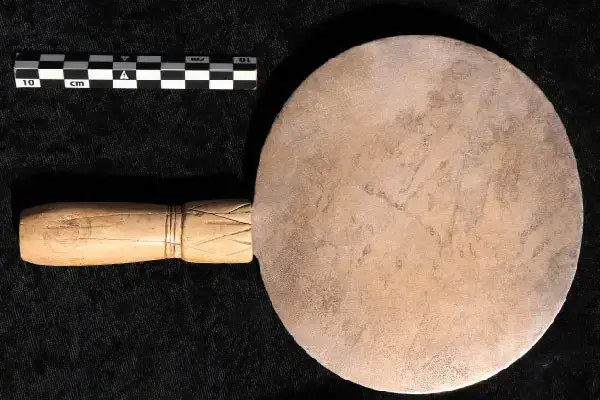
In addition, a number of unique items were discovered in the outer courtyard of the complex. Archaeologists have found bronze mirrors, alabaster vessels, colorful beads, and various amulets here. In some sources, it is noted that these items belong to the Middle Kingdom period. This once again confirms that the territory was actively used in different periods.
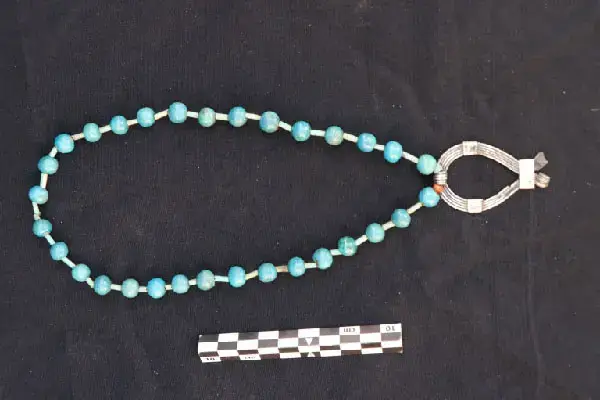
In short, this new discovery in Aswan opened another mysterious page of Egyptian civilization. Through ancient mausoleums, vessels with hieratic inscriptions, and unique decorative items, scientists gain a clearer understanding not only of burial traditions but also of the daily life of people of that time.



Comments 0
…