


Scientists stunned as artificial intelligence creates a new virus
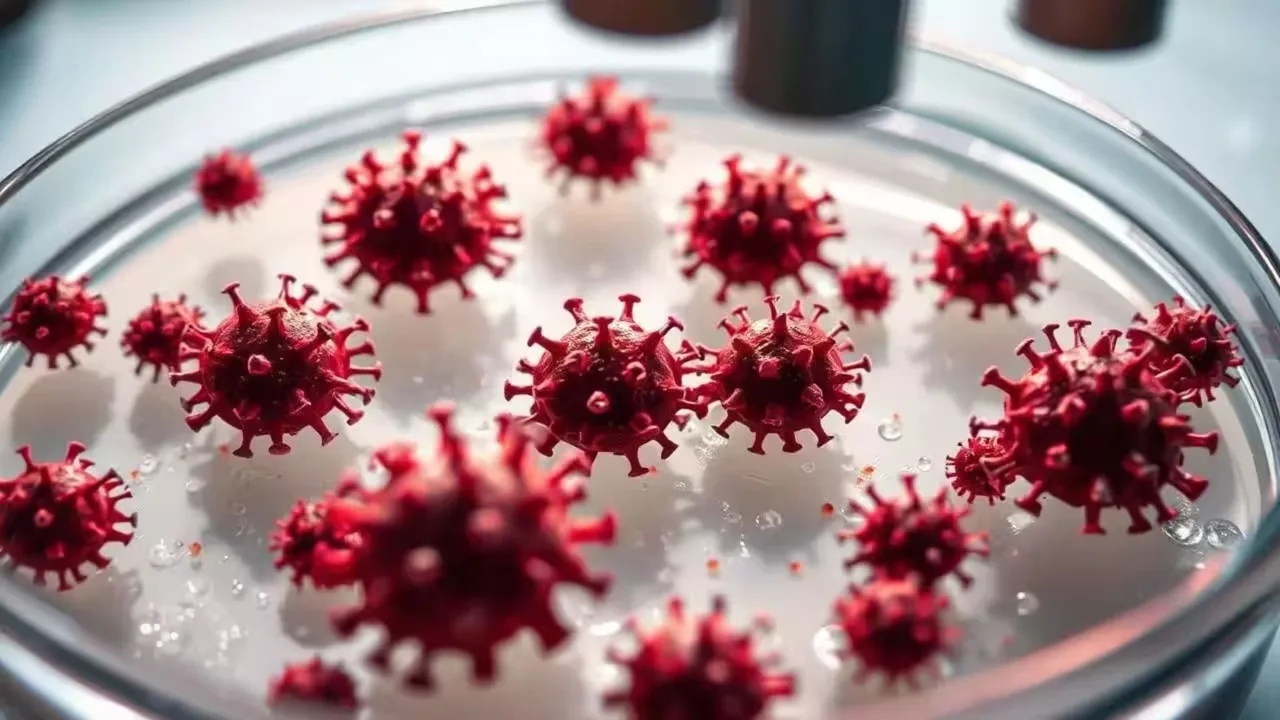
Scientists at Stanford University used artificial intelligence (AI) to E. coli bacteria. The study’s findings were Science published in the journal and reported by Stanford Report and The Guardian .
To create the viruses, the scientists used the Evo 2 generative AI model. It generated thousands of potential genomes based on the FX174 bacteriophage. Of nearly 300 variants synthesized in the laboratory, 16 were confirmed to be effective. These phages acted against two different strains of E. coliand were found to differ significantly from naturally occurring bacteriophages.
The study demonstrated that artificial intelligence can create functional viral genomes. However, the scientists emphasize that this technology must not be used to develop viruses capable of harming humans, animals, or plants.
According to the report, the Evo 2 model was trained on genetic data from more than 2 million bacteriophages, not on viruses that infect humans or animals.
Experts believe this technology could help develop new medicines in the future. At the same time, it is making questions of biosecurity and the safe use of artificial intelligence even more pressing.


Comments 0
…