


Left-wing opposition takes the lead in Swedish elections, rights are losing the throne
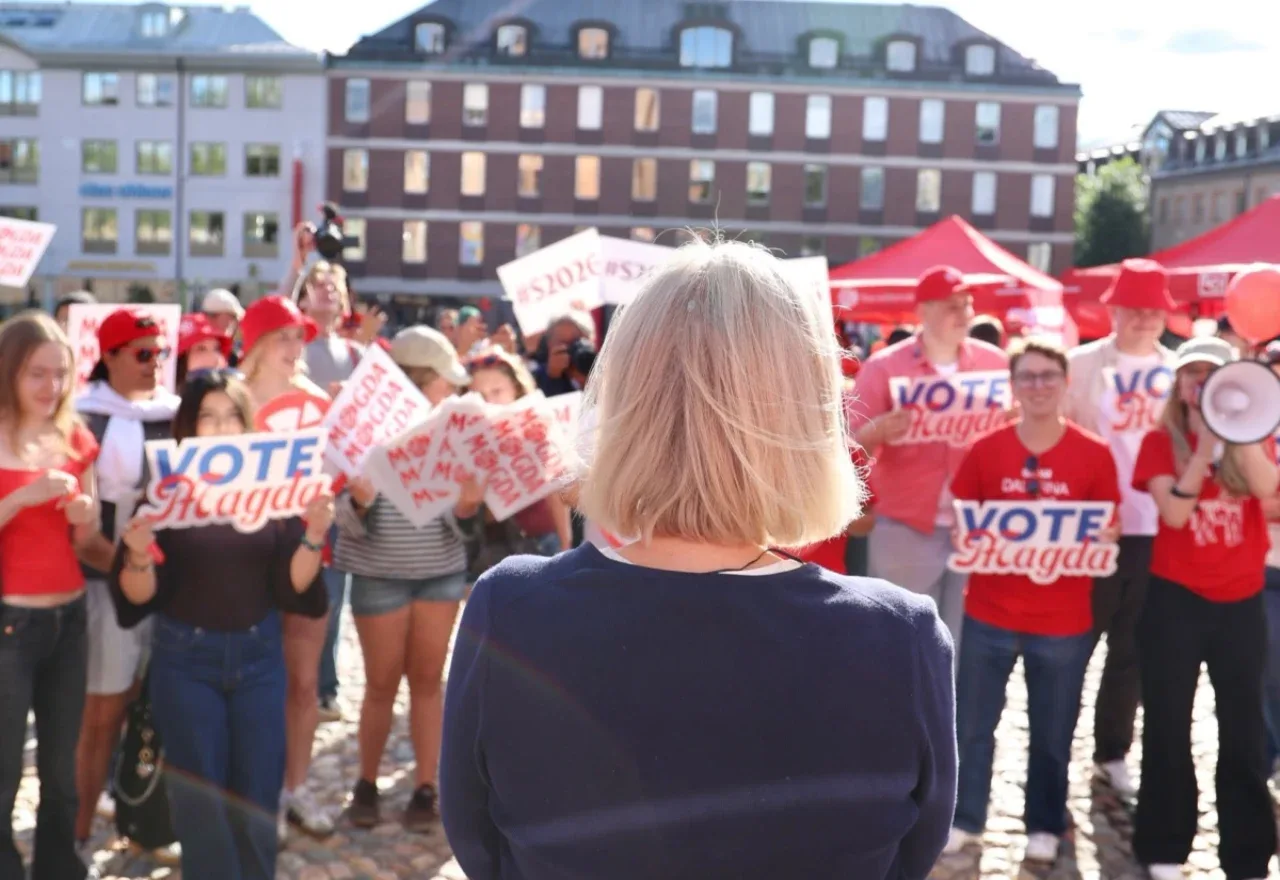
The parliamentary elections held on Sunday in Sweden, considered one of Northern Europe's most stable and influential nations, delivered a truly dramatic struggle and unexpected result on the European political map. According to preliminary official calculations announced by the country's State Election Commission, the center-left opposition bloc led by former Prime Minister Magdalena Andersson wrested the lead from the incumbent ruling right-wing coalition. After polling stations closed at 20:00 local time, ballots were counted in more than 6.1 thousand out of a total of roughly 6.6 thousand precincts, with the leftists pulling ahead at 49.4 percent of the vote.
Meanwhile, the right-wing coalition headed by current Prime Minister Ulf Kristersson registered 49.1 percent, lagging behind by a microscopic margin of 0.3 percent. With 80.4 percent of voters turning out at the polls, this high-turnout voting process makes the formation of a new government in Scandinavia inevitable. So, what does a mere three-tenths of a percent difference decide in Swedish politics, why might the right-wing populists who supported the government miss out on ministerial positions, and how will this choice by Stockholm affect the European Union?
A terrifying 0.3 percent intrigue: The Election Commission's latest figures
The calculations announced by the Swedish Election Commission shaped up as follows:
Victory of the left-wing opposition (49.4 percent): With nearly 93 percent of the ballots counted nationwide, the opposition forces are close to securing a majority in parliament, albeit with a slim advantage;
Decline of the right (49.1 percent): Although the ruling coalition came very close to its rival in vote numbers, it is not yet reaching the threshold necessary to retain power;
Voter turnout (80.4 percent): The participation of over 80 percent of the population demonstrates how serious the hesitation and struggle were within society regarding a change in political course.
Magdalena Andersson's coalition: Who is returning to the throne?
The composition of the center-left bloc relies on a solid unification of four main political forces:
Swedish Social Democratic Workers' Party: Led by former Prime Minister Magdalena Andersson, this party forms the core of the coalition as the country's largest and most traditional political organization;
Alliance solidarity: The Left Party, the Centre Party, and the Green Party ("Greens") have formed a united front with the Social Democrats, advancing social protection and environmental programs;
Revival and return: Having suffered a narrow defeat and left power in the last elections, the leftists are on the verge of taking the reins of governance back into their own hands.
Kristersson's defeat and the unfulfilled dream of the "Sweden Democrats"
The incumbent government bloc took a serious blow:
The Quartet of the Right: Prime Minister Ulf Kristersson's Moderate Coalition Party, the Christian Democrats, the Liberals, and the right-wing populist Sweden Democrats party supporting them from the outside failed to record sufficient results;
Government entry plan at risk: Had the right won, the Sweden Democrats party, known for its radical views, would have secured official ministerial seats for the first time in its history;
New balance of power in parliament: The victory of the left will ensure Stockholm's return to a more balanced approach regarding social policy, migration control, and security.
The nearly even split of votes in Sweden is bound to require extremely delicate compromises and diplomacy from politicians in forming a new coalition government and passing laws in the country.
In your opinion, how will the return of left-wing forces to power in Sweden affect the European Union's general policy and the migration crisis? Will the new government, built on a very small margin of 0.3 percent, be able to work stably for a long time? Leave your thoughts in the comments and share this analysis of the fierce election results in Scandinavia with all international politics enthusiasts and your loved ones!



Comments 0
…