


Iran Announces Incontestable Strike While Pentagon Rejects Statement
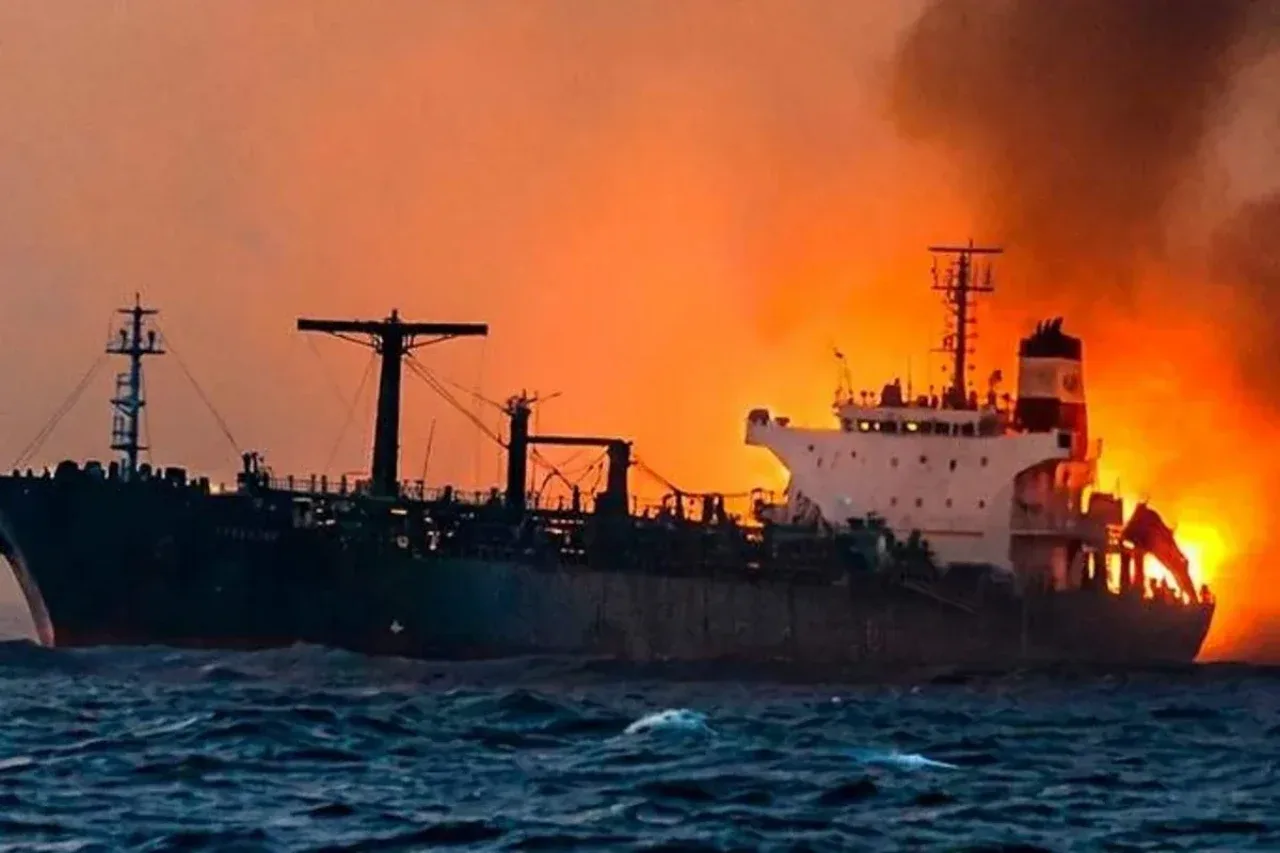
The situation in the Strait of Hormuz, considered the most delicate and strategic point in the Middle East, has brought global energy to the brink of catastrophe. The Islamic Revolutionary Guard Corps (IRGC) of Iran issued an official statement claiming that the large supertanker "El Gaia," which attempted to pass through a restricted zone in the southern part of the strait, struck naval mines and burned down as a result of a massive explosion. According to the Iranian side, attempts to extinguish the fire on the giant vessel yielded no results. However, the United States Central Command (CENTCOM) strongly rejected Tehran's statement, claiming that the tanker was not hit by a mine, but was disabled by an Iranian missile last month and, over the weekend, was subjected to a drone attack off the coast of Oman before being towed away.
While one-fifth of the world's oil and liquefied natural gas (LNG) was transported through this exact corridor before the conflict escalated, vessel traffic in the strait has now nearly stopped, dropping to negligible levels. So, what truth lies behind the information war between Washington and Tehran, what are the 7 conditions set by Iran for the US to restore transit, and will fuel prices break new records?
The Fate of the "El Gaia" Supertanker: Mine Explosion or Drone Strike?
Contradictory statements from the parties regarding the emergency incident in the strait:
Official IRGC Report: The Iranian military announced that the "El Gaia" supertanker struck naval mines and exploded while trying to pass through a dangerous restricted zone in the south of the strait, causing a severe fire on the ship that could not be extinguished;
Pentagon's Denial: The US Central Command called this information false, emphasizing that the vessel had already been damaged by an Iranian missile strike last month, suffered a drone attack near Oman over the weekend, and was towed out by regional allies;
Information Clash: While both sides defend their positions, the maritime trade route in the strait remains under complete threat.
20 Percent of World Oil at Risk: Trade Route Paralyzed
The crisis in the corridor of vital importance to the global economy:
Loss of the Strategic Strait: Before the escalation of tensions, nearly a fifth (20 percent) of global oil supply and liquefied natural gas (LNG) passed precisely through the Strait of Hormuz;
Traffic Reduced to Minimal Levels: Due to military danger, high insurance costs, and attacks, the number of tankers and gas carriers moving along this route has dwindled to just a few units;
Market Panic: The threat of a disruption in the raw material supply chain has emerged in the oil markets, leaving fuel and energy prices on the verge of a sharp spike.
Trump's Siege and Iran's 7 Conditions
Political pressure and trade struggle between Washington and Tehran:
Trump's Naval Blockade: In the middle of last month, US President Donald Trump announced that while the strait remained open for navigation, a naval blockade was imposed against the Islamic Republic of Iran;
Tehran's 7 Demands: According to Iranian state media, official Tehran forwarded 7 strict conditions to Washington through intermediaries to restore transit;
Broken Agreement: Although both sides signed a memorandum paving the way for peace in June, relations were cut off again three weeks later following the shelling of commercial vessels, leading to an exchange of missile strikes;
Economic Isolation and Araghchi's Response: While Trump threatens Iran with strict economic isolation and the use of military force, Iranian Foreign Minister Abbas Araghchi assessed the US leader's statements as Washington's admission of defeat in this conflict.
The intensifying naval war and energy pressure around the Strait of Hormuz are building another major crisis wall for global markets.
Do you think Donald Trump can force Tehran to make concessions through an economic blockade, or will the closure of the Strait of Hormuz be a heavier blow to the US and Western economies? Which side is telling the truth regarding the situation with the "El Gaia" supertanker? Leave your analytical thoughts in the comments and share this sensational article concerning world energy and oil safety with all your friends and international event observers!



Comments 0
…