


US-Iran war triggers global fuel crisis: Mass protests worldwide
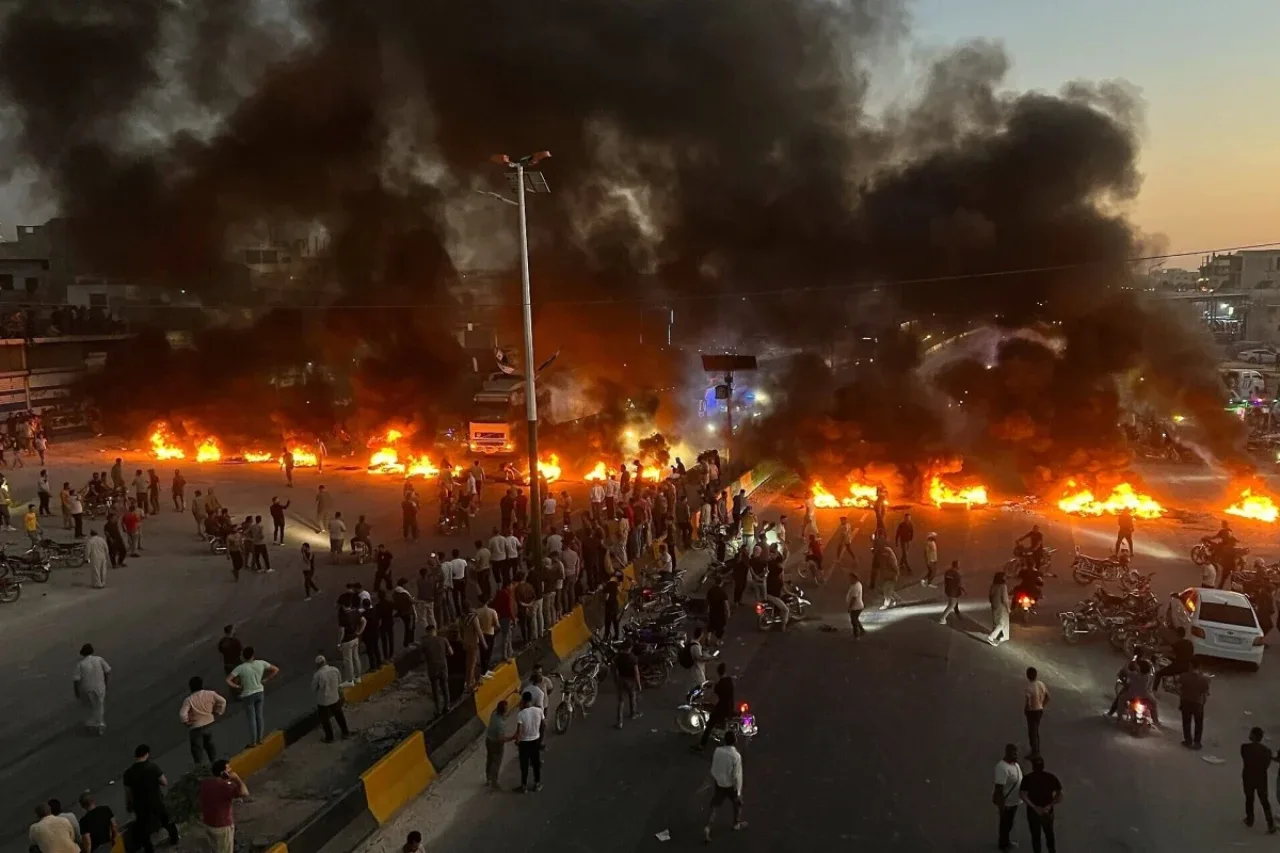
Syria is gripped by large-scale demonstrations.
Amid international geopolitical tensions and armed conflicts, the most severe global energy and fuel crisis of the past decade is unfolding across the planet. According to a comprehensive report published by the influential publication "The Business Standard", following the military war between the US and Iran, the price of Brent crude oil on the global market sharply surpassed the psychological threshold of $100 (prior to the war in February, it hovered around just $60–70). The unprecedented surge in raw material prices has triggered fuel price explosions and mass unrest on the streets in dozens of countries ranging from Europe to Latin America and Asia.
Today, world governments face a brutal political dilemma: either allow fuel prices to rise freely and fall into the vortex of uncontrolled inflation, or allocate billions of dollars in subsidies, placing a heavy burden on state budgets. In Guatemala, truckers are blocking highways, setting vehicles on fire, and using weapons against police, while Syria has seen its largest mass protests since the fall of the Assad regime. In Germany, gasoline hit a record 2.30 euros, while in diesel prices in the US surged by 60 percent in a year, exceeding $6 per gallon.
So, where are the energy vortex leading the countries of the world, what new price explosions await people on the eve of the winter season, and can the global economy survive this blow?
"Highways on fire and fishermen unable to reach the sea": Hotspots of the planet
The geography of global protests revealed by "The Business Standard":
Armed rebellion in Guatemala: Truckers blocked major highways, burned motor vehicles, and engaged in armed clashes with police; the country's Congress acknowledged that diesel is the main engine of the economy and is urgently reviewing a subsidy law;
Historic demonstrations in Syria: The largest wave of protests since the fall of the Assad regime began: after diesel rose in price by 40 percent and gasoline by 25 percent, the population burned tires and stopped tankers in Aleppo and other cities;
Siege of an oil depot in France: In the southern city of Fos-sur-Mer, about 50 fishermen blocked a major oil depot and clashed with police; President Emmanuel Macron demanded full mobilization from the government;
Firefighters' alarm in Portugal: Protesters marched toward the prime minister's residence; the Fire Safety League announced that due to high fuel prices, the activities of volunteer brigades have become unbearable;
National strike in the Philippines: After the price of gasoline rose by 5.68 pesos, the transport group "Manibela" announced a strike, and Manila Bay fishermen were left on the brink of hunger and poverty, unable to buy fuel;
Tractor dragged by rope in Bolivia: After the price of diesel doubled in Cochabamba (from $0.8 to $1.5), hundreds of farmers protested — one farmer dragged a tractor through the city streets with a rope as a sign of protest;
Kilometer-long queues in Indonesia: Due to fuel shortages in Makassar, queues exceeding 1 kilometer long formed at gas stations, and students and workers staged mass protests in front of the state oil company's offices.
Analysis of figures: Diesel jumped by 60%, and a cold winter lies ahead
Sensational and alarming indicators in the global fuel market:
Brent exceeds $100: Due to the military conflict, oil prices rose from $60–70 at the beginning of the year to record levels;
$6 per gallon in the US: Diesel fuel prices in the United States recorded an increase of nearly 60 percent within a year;
Anti-record in Germany: E10 gasoline reached a historic level of 2.30 euros, while diesel rose in price by 48 percent annually;
Global average price: Today, the average price of 1 liter of diesel fuel worldwide is $1.61;
Clash of extremes: The price disparity across the planet is terrifying — 1 liter of diesel costs $4.70 in Hong Kong, compared to just $0.004 in Venezuela;
Heating season threat: Analysts predict that during the upcoming heating season in the US and Europe, the price of fuel used to heat homes will rise by at least another 30 percent.
Economic trap: What disaster awaits governments?
Conclusions of international experts on this global crisis:
Stagflation is knocking at the door: Higher fuel prices are simultaneously increasing the costs of production, transportation, food, and all daily services, halting economic growth;
Budget crisis: States are forced to allocate billions of dollars in subsidies to artificially keep prices down in order to prevent public unrest, which leads to an explosion of national debts;
Geopolitical dependence: As long as the armed confrontation between the US and Iran and the tension in the Strait of Hormuz are not resolved, it is impossible to lower the prices of energy resources.
The current global fuel crisis caused by the military confrontation between the US and Iran demonstrates, in all its tragedy, how vulnerable and heavily dependent the modern world economy has become on the oil factor.
Do you think that the rise in oil prices above $100 due to the US-Iran conflict will trigger a new global financial crisis in the world? Should governments keep fuel prices down through subsidies or leave them free to market laws? Leave your analytical thoughts in the comments and share this huge economic risk analysis, which directly strikes the daily life of people all over the world, with all drivers, economists, and friends!



Comments 0
…