


Switzerland surrounds the Belarusian regime with sanctions
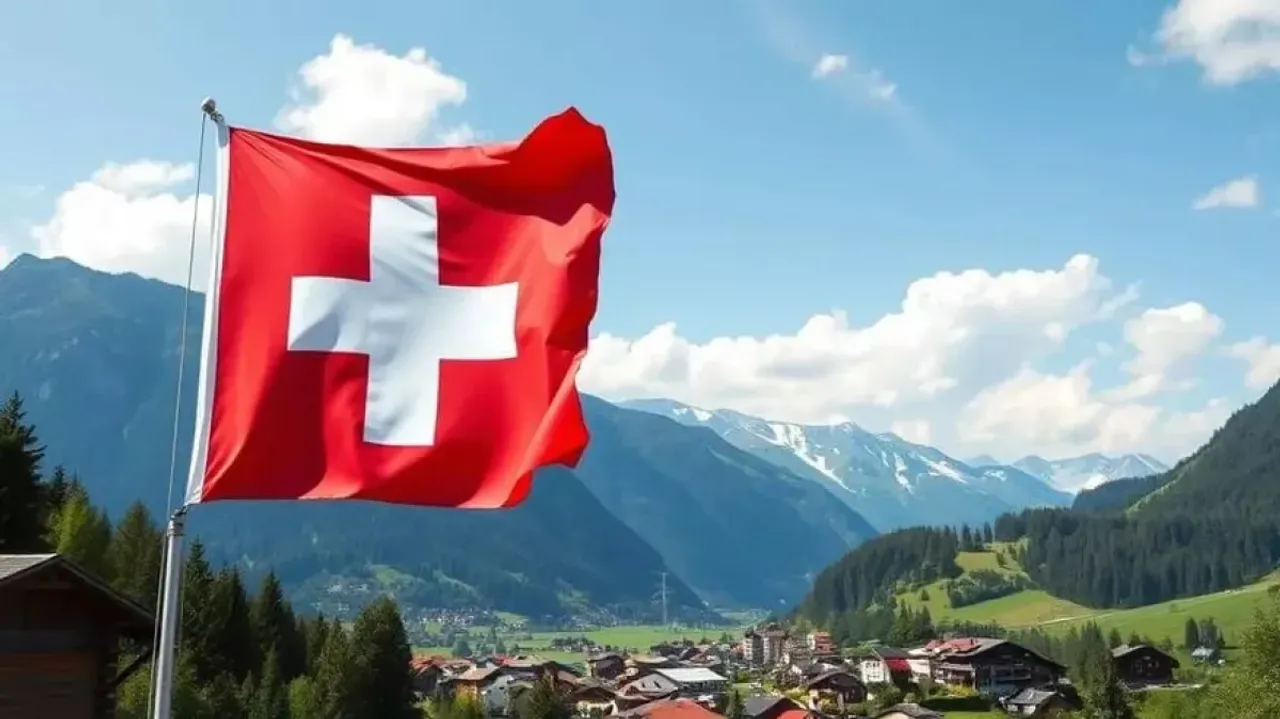
The Swiss Confederation, Europe's largest financial center and traditionally neutral state, has sharply intensified sanctions pressure on the Belarusian government. The country's Federal Council officially announced its full accession to the European Union's new, comprehensive package of restrictive measures against Minsk. According to an official statement published on the website of the State Secretariat for Economic Affairs (SECO), these uncompromising restrictions approved by the EU in April will fully enter into force starting September 19.
The main objective of this decision is to fully synchronize and align the international sanctions regime against Belarus with the strictest restriction standards applied against Russia. Under the new regulations, the export of all products serving to enhance the country's military, technological, and industrial potential has been restricted, transit corridors have been closed, and the import of goods generating substantial revenue for Minsk has been blocked. The financial sector suffered the heaviest blow: any financial operations involving decentralized platforms, crypto services, and even the "digital Belarusian ruble" registered in Belarus have been strictly banned within Swiss territory, and the country's tourist services market has also fallen under the block.
So, how will this unexpectedly decisive step by Switzerland strike Minsk's economy, how are the Russian and Belarusian financial chains being severed, and how can Alexander Lukashenko's regime escape this encirclement?
"From crypto assets to tourism": New restrictions effective from September 19
The 4 main directions of the sanctions package announced by the Swiss government:
Military and technological export ban: The import of high technologies, equipment, and dual-use goods that could strengthen the Belarusian army and industrial complex has been halted;
Blocking of transit and profitable imports: The list of goods banned from transit through Belarusian territory has been expanded, and a strict barrier has been placed on the import of products providing Minsk with primary foreign currency earnings;
Finance and crypto market barrier: All transactions with crypto services, decentralized platforms, and central bank digital currencies registered in Belarus, including the "digital Belarusian ruble," have been prohibited;
Restriction on the tourism sector: Swiss companies and financial structures have been banned from engaging in any cooperation related to tourist activities and the provision of services in Belarusian territory.
"Russia and Belarus in the same mold": Why were the sanctions equalized?
Analytical foundations of the international geopolitical and economic decision:
Closing "shadow turnover" routes: The aim is to completely put an end to the practice of bypassing restrictions imposed against Russia via Belarus (parallel import and money laundering through crypto assets);
Borders of neutrality: Despite its historic status of neutrality, Switzerland has once again demonstrated that it does not lag behind the general position of the European Union on issues of international law and security;
First warning in May 2026: The Confederation placed two major companies on the black list in May, and now it encompasses the entire financial and export chains.
Economic and international analysis: What do experts say?
Conclusions of financial analysts and political scientists:
Burning of alternative routes in the crypto market: Minsk had pinned high hopes on digital assets and decentralized systems to circumvent sanctions; the closure of the Swiss banking and crypto sector shattered these plans;
Currency crisis for Lukashenko's government: The reduction of profitable export products and transit opportunities will seriously decrease foreign currency inflows into the state treasury;
Minsk's complete dependence: The simultaneous closure of Western markets makes Belarus's complete financial, technological, and trade dependence exclusively on the markets of Russia and China inevitable.
Switzerland's launching of this large-scale sanctions package shows that, amidst geopolitical crises on the European continent, no neutral territory or financial safe haven remains for any state.
In your opinion, how serious of a blow will Switzerland's traditionally neutral restrictions on crypto assets and digital currencies deal to the economies of Belarus and Russia? Under current conditions, are sanctions capable of changing Minsk's policy, or on the contrary, will they push it further to the margins? Leave your analytical thoughts in the comments and share this sensational analysis of changes in the international economy with all your acquaintances and fans of financial news!



Comments 0
…