


New cat species discovered in the mountains of Bolivia — A sensation of the century in the world of zoology!
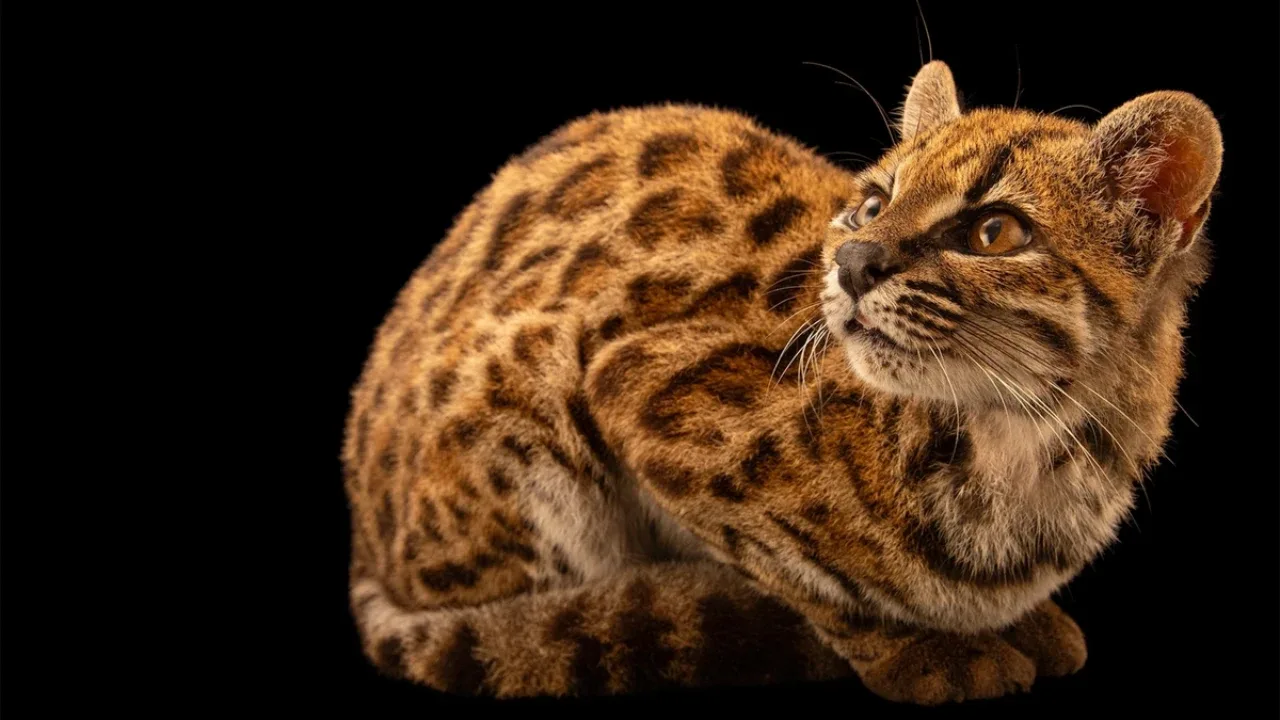
The most sensational and unprecedented scientific discovery in the history of world zoological science and natural history over the past century has been recorded. In the misty forests at the junction of the Andes and the Amazon basin in Bolivia (the Yungas region), an entirely new predator species belonging to the cat family, previously unknown to science, has been officially described and scientifically named Leopardus tilcayo (locally known as the "Tilkayo").
According to research results published in the prestigious journal Current Biology, the complete scientific description of such a living wild cat species is taking place for the first time in the last 100 years. This unique miracle of nature is even smaller than an ordinary domestic cat, with a body length of just 46 centimeters and a weight of only 1.4 kilograms. Comprehensive genomic analyses conducted by scientists have revealed a surprising truth: the evolutionary lineage of this tiny creature completely separated from its closest relatives exactly 1.4 million years ago.
So, how did scientists find this mysterious predator, why did it remain hidden from view for a century, and what is the significance of the discovery of this new species for global ecology?
«Smaller than a domestic cat, but with a 1.4-million-year history»: 4 key facts about the Tilkayo
Surprising features of the newly discovered Leopardus tilcayo species:
Only 46 cm and 1.4 kg: In terms of size, the animal is much more compact than a regular domestic cat, featuring a delicate build and rounded ears;
Leopard-patterned fur: The cat's coat is light brown, with irregularly shaped black spots (rosettes) all over its body;
1.4 million years of evolutionary divergence: Experts confirmed through in-depth DNA analysis that this population diverged as a separate species from other "tiger cats" in South America more than a million years ago;
Secretive nocturnal lifestyle: According to surveillance cameras and camera traps, the Tilkayo is mostly active at night and primarily feeds on small rodents.
«Mistaken for a kitten and fed with rice»: How did the discovery begin?
A chronology of coincidences that amazed scientists:
Roadside finding: A few years ago, a local resident found a tiny kitten near a forest road, mistook it for a regular domestic cat kitten, and raised it at home;
Wild temperament: As the animal grew, it turned out to be wild rather than domestic, and it was handed over to the "Senda Verde" animal refuge near La Paz;
The biologist's suspicion: National Geographic researcher Paola Nogales-Ascarrunz noticed that the large spots on the animal's body did not match any other known species, prompting genetic research;
Preservation of ancestral name: Although it was new to science, it turned out that locals had called this animal "Tilkayo" since the time of their ancestors, and scientists preserved this traditional name.
Global biological analysis: What do the experts say?
Conclusions of zoologists and conservation organizations:
An unprecedented event in 100 years: The last time a new independent species in the feline class was officially described was in 1923 (the pampas cat) — the Tilkayo broke this century-long hiatus;
Our planet has not been fully explored: Scientists emphasize that there are many complex biological species on Earth that humanity is not yet aware of, and unrevealed secrets exist even among predatory mammals;
Red Book and urgent conservation: Currently, it is unknown how many Tilkayos remain in the wild, and the International Union for Conservation of Nature (IUCN) is preparing to protect this tiny cat species as an endangered rare species.
The discovery of such a tiny and unique cat with a 1.4-million-year history in the high-altitude misty forests of Bolivia once again shows that the preserved miracles of Mother Nature must be carefully protected by humanity.
In your opinion, what caused such mysterious animals with a 1.4-million-year history to remain hidden from human eyes even in today's age of developed technology and satellites? What other mysterious creatures do you think might be hidden in the embrace of nature that humanity has yet to discover? Leave your interesting analyses and thoughts in the comments and share this analysis of the century's sensation in the world of science with all nature enthusiasts and friends!



Comments 0
…