


17 Shots, 11 Goals: Where Was Uzbekistan's Biggest Problem?
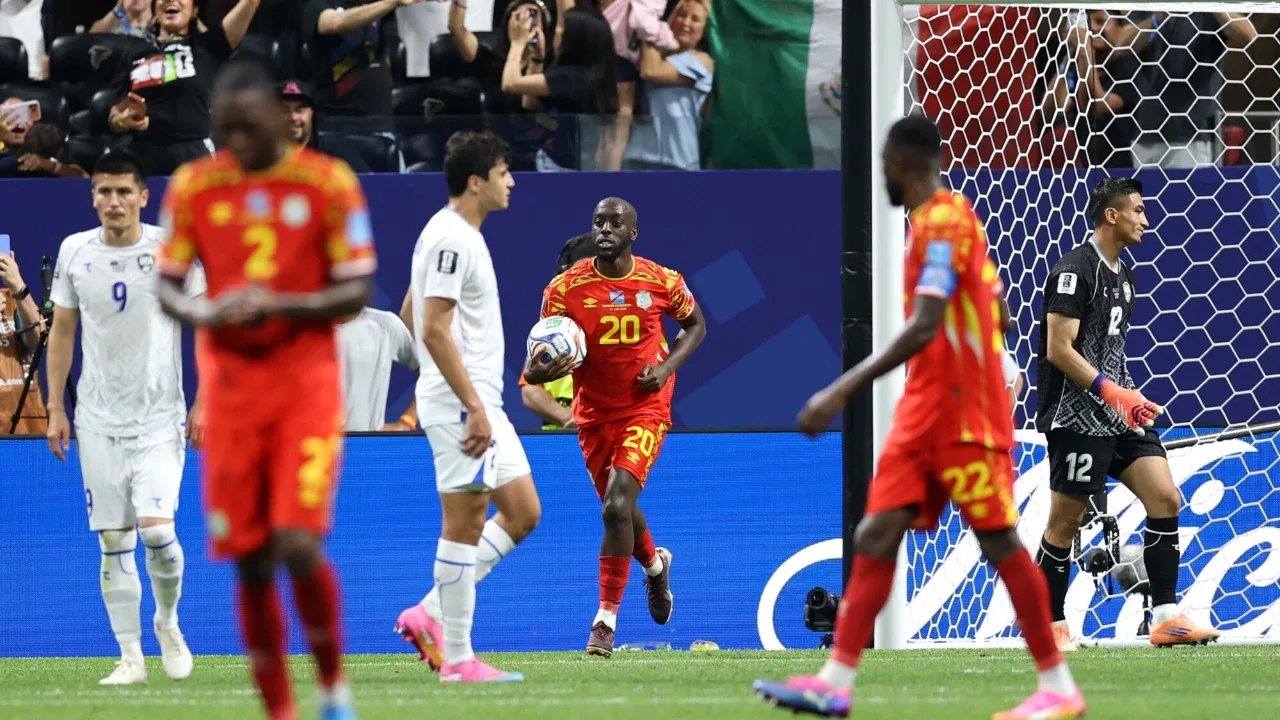
The Uzbekistan national team ended its historic World Cup campaign with three defeats and 11 goals conceded. But the most worrying aspect isn't just the number of goals — almost two out of every three shots on target by opponents resulted in a goal.
So, was the most fragile point of our national team at the World Cup really the goal line, or is it wrong to look for the problem only in the goalkeepers?
Colombia scored three goals from four shots on target
Uzbekistan lost 1-3 to Colombia in the first round.
The South American representatives converted three of the four shots on target they directed at our goal.
In the first match, the opponent's shot conversion rate was 75 percent.
Even in this match, problems in the coordination between the defense and the goalkeeper were evident.
Unable to withstand Portugal's pressure
In the second round, Uzbekistan lost 0-5 to Portugal.
Portuguese players directed nine shots on target, succeeding in five of them.
Match | Shots on target | Goals |
|---|---|---|
Uzbekistan — Colombia | 4 | 3 |
Portugal — Uzbekistan | 9 | 5 |
DR Congo — Uzbekistan | 4 | 3 |
Total | 17 | 11 |
Although the goalkeeper made several saves in this match, constant pressure from the opponent and defensive errors led to a heavy scoreline.
DR Congo also scored three goals from four shots
In the final round of the group stage, DR Congo defeated Uzbekistan 3-1.
The African representatives also breached our goal three times with four shots on target. In other words, the situation from the first match repeated itself.
In three games, 11 out of 17 opponent shots on target turned into goals.
Mathematically, this means 64.7 percent So, nearly two-thirds of the shots on target against us ended in goals.
What do the goalkeeper statistics show?
Otkir Yusupov and Abduvohid Nematov guarded our goal during the tournament.
According to the recorded data:
Otkir Yusupov's save percentage — 25 percent;
Abduvohid Nematov's save percentage — 38.5 percent.
These figures are considered low at the World Cup level. However, it would not be fair to blame only the goalkeepers.
The problem is not just in the goal
The goalkeeper is the last line of defense. If an opposing player is in a comfortable position, shooting without pressure or from close range, the goalkeeper's chances are drastically reduced.
Uzbekistan's problems manifested in several areas:
allowing opposing strikers into the penalty area too easily;
leaving empty spaces in dangerous zones;
being late to compete for second balls;
lack of coordination between defenders and the goalkeeper;
low efficiency in saving shots on target.
Therefore, it is difficult to attribute the cause of the 11 goals to just one player or one line. This was a problem concerning the entire team's defensive actions.
The main conclusion to be drawn from the World Cup
Uzbekistan did not allow opponents many shots at the World Cup — a total of 17 shots on target in three matches. But most of these shots were extremely dangerous, and 11 resulted in goals.
This shows that the national team could not control the quality of the situations in defense, rather than the quantity.
In your opinion, was Uzbekistan's main problem at the World Cup in the goalkeepers' performance or the defensive system? Leave your thoughts in the comments and share the article with football fans.



Comments 0
…