


US faces crisis in missile production: A $73 billion problem
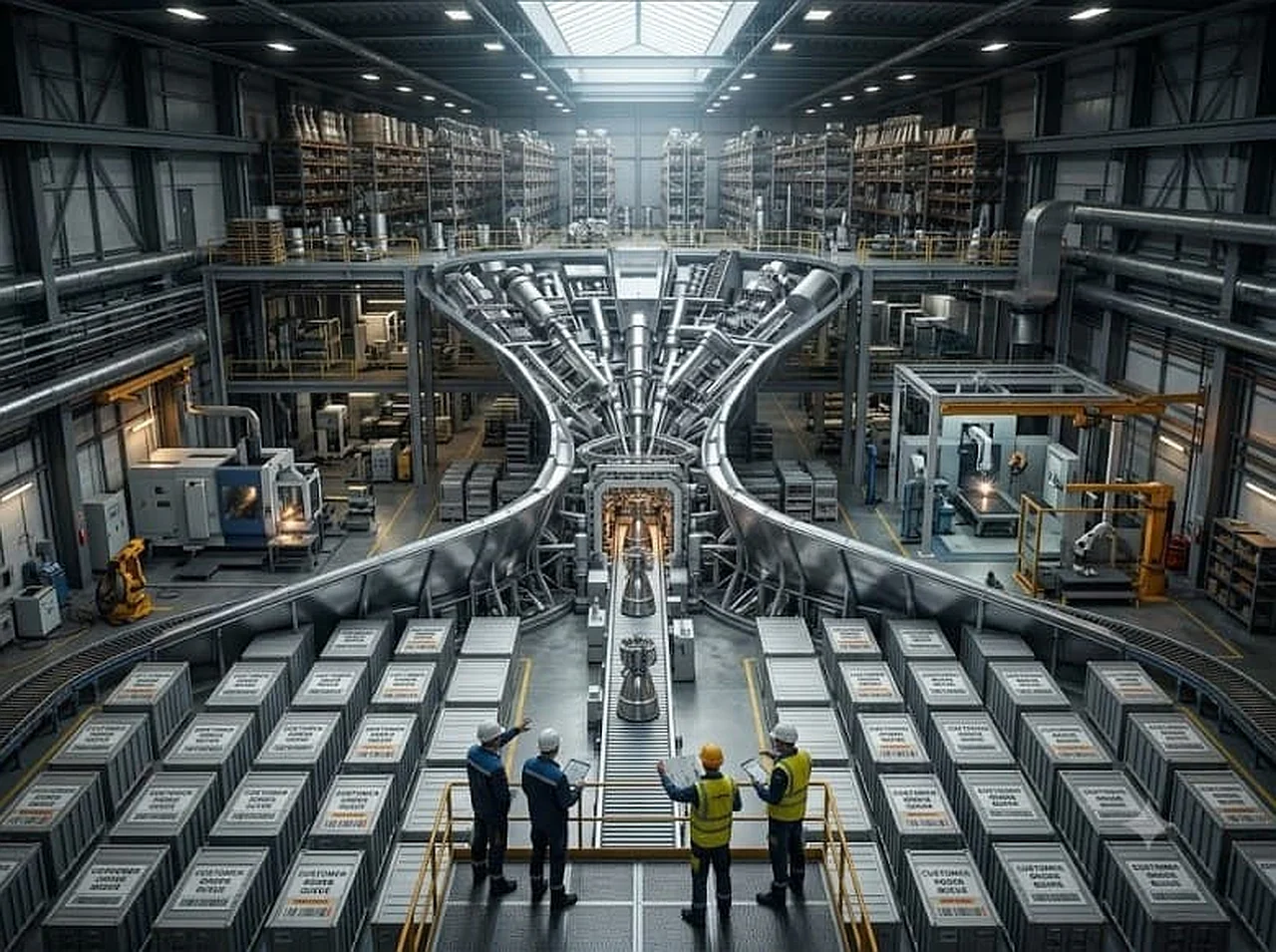
The US defense industry is facing a severe capacity shortage in producing solid-fuel rocket motors, a critical component of modern missile systems. According to analyses by the Center for Strategic and International Studies (CSIS), the American industry is ill-prepared to handle the surge in government orders. This is reported by Ixbt.com reports.
The document states that the US fiscal year 2027 budget proposal allocates a record $73 billion for various missile programs. For comparison, this figure was $29 billion in 2024, which was a record at the time. However, despite increased funding, supply chain bottlenecks persist.
Production volume and key obstacles
The US plans to deliver over 2,100 missiles for air and missile defense systems by 2027, a 70 percent increase compared to 2021. Nevertheless, these figures remain far behind long-term strategic goals, which envision producing 5,000 units annually. CSIS experts believe that achieving these targets requires a complete overhaul of the entire production system.The main bottleneck in the industry is solid-fuel rocket motors, which are used in almost all American missile programs. Consequently, shortages of motor casings, nozzles, fuel components, or skilled personnel are causing dozens of projects to stall simultaneously. A problem in a single link can bring the entire chain to a halt.
From market monopoly to new entrants
The current complex situation is the result of years of market consolidation. In the early 2000s, there were six major solid-fuel motor manufacturers in the US; by the mid-2010s, only two remained: Aerojet Rocketdyne and Orbital ATK. Today, these assets are part of L3Harris and Northrop Grumman corporations, respectively.In recent years, several new companies have emerged to reduce market dependency. These include:
- X-Bow and Ursa Major;
- Firehawk and Castelion;
- Anduril and Nammo;
- Avio USA and Prometheus Energetics.
CSIS concludes that the problem cannot be solved by additional funding alone. The industry requires long-term contracts, direct investments in suppliers, and relaxed market entry rules for new manufacturers. Otherwise, demand outpacing supply will continue to negatively impact US defense capabilities.


Comments 0
…