


Genetic Revolution: A way to edit human embryo DNA without damaging chromosomes found
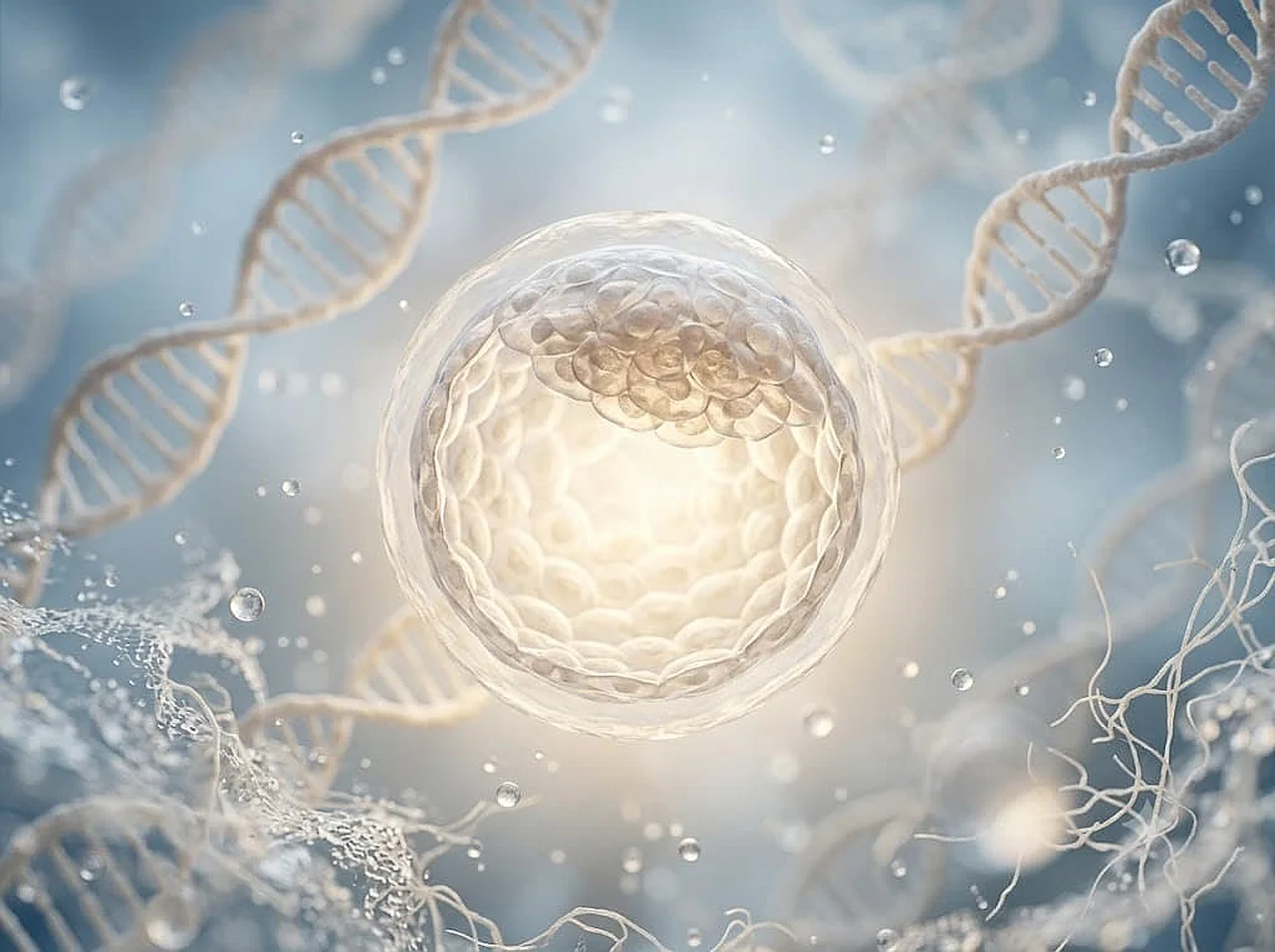
An international group of scientists has taken a revolutionary step in editing the human embryo genome. Researchers from Columbia University, Seoul National University, and the Czech Academy of Sciences have successfully tested a new technology that, unlike traditional methods, does not damage chromosome structure. This discovery brings the safety of treating hereditary diseases at the fetal level to a new stage. This is reported by Ixbt.com reports .
During the study, geneticists compared two different approaches: the classic CRISPR/Cas9 system and adenine base editors (ABE). It turned out that the long-used CRISPR/Cas9 technology creates double-strand breaks in DNA, which leads to the loss of parts of chromosomes or unexpected mutations in embryonic cells. Such defects can cause the cessation of embryonic development or lead to severe genetic diseases.
A new mechanism for safe editing
The newly applied ABE technology allows for point changes to be made to the DNA composition. In this process, the integrity of the chromosome is not compromised, which ensures the stable development of the embryo. For the experiment, scientists selected the PCSK9 gene, which regulates cholesterol levels, and the HBG1/2 genes responsible for hemoglobin synthesis. The results showed that the process of "turning off" genes using ABE was completely safe.Researchers used complex methods to verify the accuracy of the results. Through SNP-microchips and Digenome-seq analyses, the integrity of chromosomes 1 and 11 in each edited cell was proven. According to statistical data, the safety superiority of the ABE technology has also been mathematically confirmed (p < 0.00001), bu esa genetik aralashuv endi "halokatli" emasligini anglatadi.
New prospects for medicine
This discovery is of great importance in reproductive medicine, especially in IVF (in vitro fertilization) programs. With the new method, it becomes possible to:- Increase the number of healthy embryos in families with severe hereditary diseases;
- Conduct genetic prophylaxis to prevent cardiovascular diseases;
- Create precise models for deeper study of human developmental biology.
However, experts emphasize that it will take some time before this method is applied in clinical practice. The current main problem is genetic mosaicism, i.e., the varying degrees of editing in different cells within a single embryo. Nevertheless, scientists have now moved from the question "Is it possible to edit an embryo without causing damage?" to the stage of "How can editing be fully controlled?"


Comments 0
…