


Starship Tests Successful, But Thermal Insulation Is Not Ready Yet
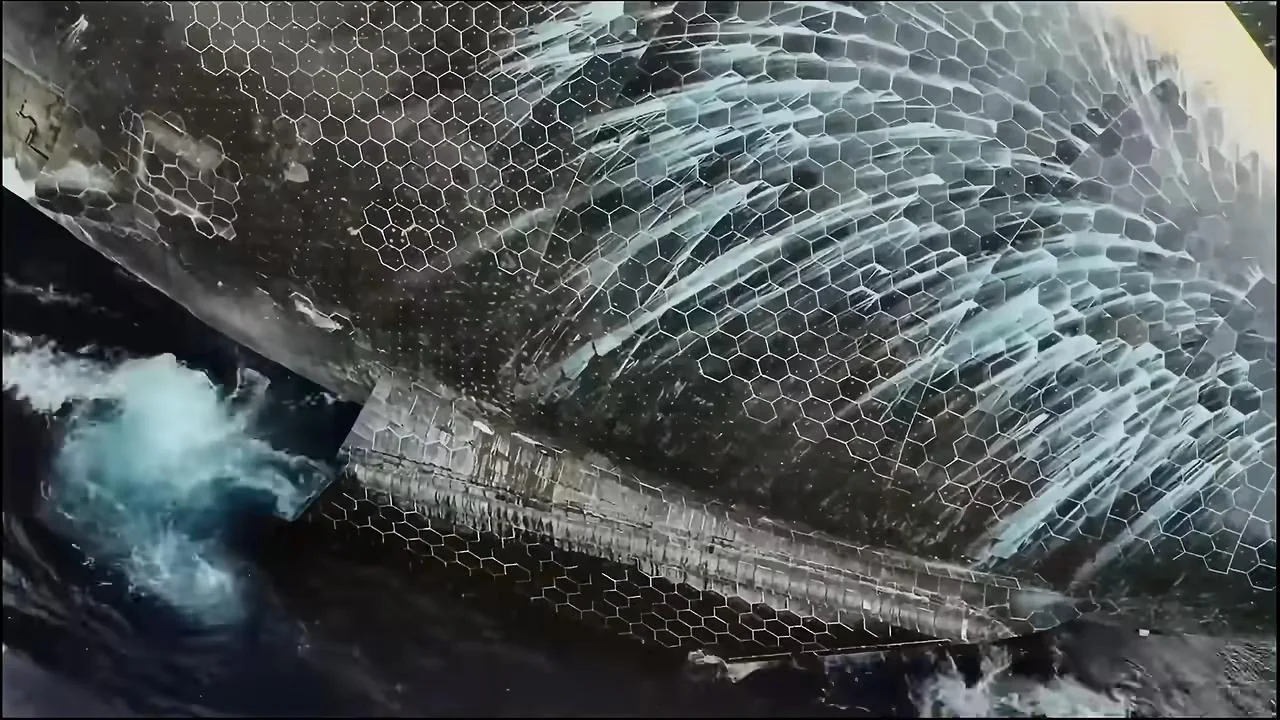
SpaceX's Starship spacecraft successfully completed its latest test flight, taking an important step in the development of space technologies. However, according to ixbt.com, despite successfully executing the atmospheric re-entry and water landing stages, a serious obstacle remains on the path to its rapid re-flight: the issue of thermal insulation protecting the spacecraft's hull. This was reported by Ixbt.com reported by.
Prominent US experts, including former NASA Ames Research Center engineer Don Rasky, former astronaut Charles Camarda, and former official Charles Miller, deeply analyzed footage of Starship landing in the Indian Ocean. According to their conclusions, glowing streaks appearing at the joints of ceramic tiles indicate that superheated gases are penetrating between the tiles.
Thermal Protection and Its Main Problem
Although the existing thermal protection fulfilled its main task of ensuring the spacecraft's survival through the atmosphere, experts noted cracks and damage on some tiles. The problem does not lie in the spacecraft's return, but in the process of preparing it for the next flight. If thousands of tiles require lengthy inspection and repair after every launch, full and rapid reusability cannot be achieved.According to experts, this situation is reminiscent of the Space Shuttle program of the last century. Back then, the thermal protection also worked, but the maintenance process made flights slow and expensive. Although Starship's steel body can withstand heating up to 800 degrees even with partial tile damage, this provides an additional margin of safety for the spacecraft.
Future Plans and the Need for New Technologies
SpaceX CEO Elon Musk previously called fully reusable thermal protection the biggest unresolved problem of the Starship project. The company is already working on new materials, improving tile design and their attachment methods. However, analysts emphasize that the current approach is a continuation of the outdated Space Shuttle architecture.Such an architecture might be sufficient for regular Starlink satellite launches, but the hundreds and thousands of cheap flights per year demanded by Moon and Mars programs, orbital data centers, and space solar stations require completely new thermal protection technologies. In this regard, experts are calling on NASA to resume fundamental research on spacecraft orbital return, as such scientific studies have not been funded for the past 30 years.


Comments 0
…