


Star Shower in Late July: Southern Delta Aquariids Peak
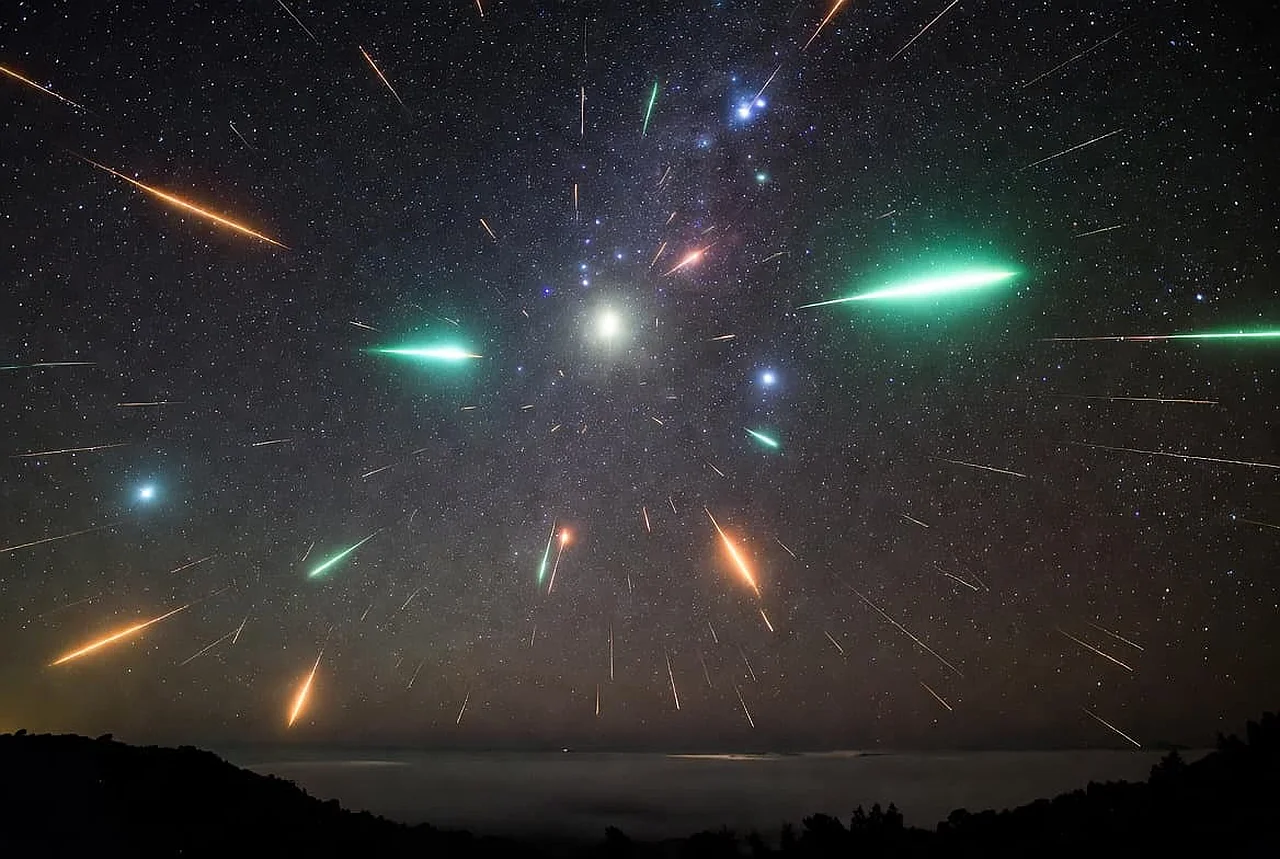
At the end of July this year, space enthusiasts and amateur astronomers can witness a unique natural phenomenon — the Southern Delta Aquariids meteor shower. This star shower will reach its peak activity on the night of July 30 to July 31. The event is expected to illuminate the night sky, presenting one of nature's most beautiful spectacles. This is reported by Ixbt.com news reports.
According to the press service of the Moscow Planetarium, an average of up to 25 "shooting stars" per hour can be observed during the meteor shower. Although the phenomenon is visible worldwide, the most favorable and brightest viewing conditions will be for those living in the Southern Hemisphere. This is due to the radiant (the point from which the meteors appear to originate) rising higher above the horizon there.
Best Time and Locations for Observation
The Southern Delta Aquariids appear to radiate primarily from the constellation Aquarius. Astronomers note that this meteor shower became active starting July 12 and will continue until August 23. However, the final night of July is considered the most optimal opportunity to see the maximum number of meteors.In countries located in the Northern Hemisphere, such as Uzbekistan, the phenomenon can also be observed, although the meteors will move closer to the horizon. Therefore, amateurs are advised to go to open, higher locations away from city lights. The absence of artificial lighting allows for a better perception of the meteors' brightness.
A meteor shower is the result of our planet passing through a cloud of dust and ice particles in space. These particles enter the Earth's atmosphere at immense speeds, burning up due to friction and appearing to us as streaks of light. The Southern Delta Aquariids are distinguished by their relatively slower movement, which provides an additional opportunity for photographers attempting to capture them.
Experts emphasize that special telescopes or binoculars are not necessary to observe this phenomenon. The most important things are an open sky and patience. The human eye requires at least 20-30 minutes to adapt to the darkness, after which the "shooting stars" in the night sky will become more clearly visible.
It is also worth mentioning that another major meteor shower — the Perseids — is expected in August. Thus, the Southern Delta Aquariids in July serve as a wonderful prologue to the astronomical observation season. This summer is proving to be very rich for astronomy enthusiasts to explore the secrets of the universe and enjoy its beauty.


Comments 0
…