


How Big Tech Algorithms Manipulate Human Consciousness: New Research Results
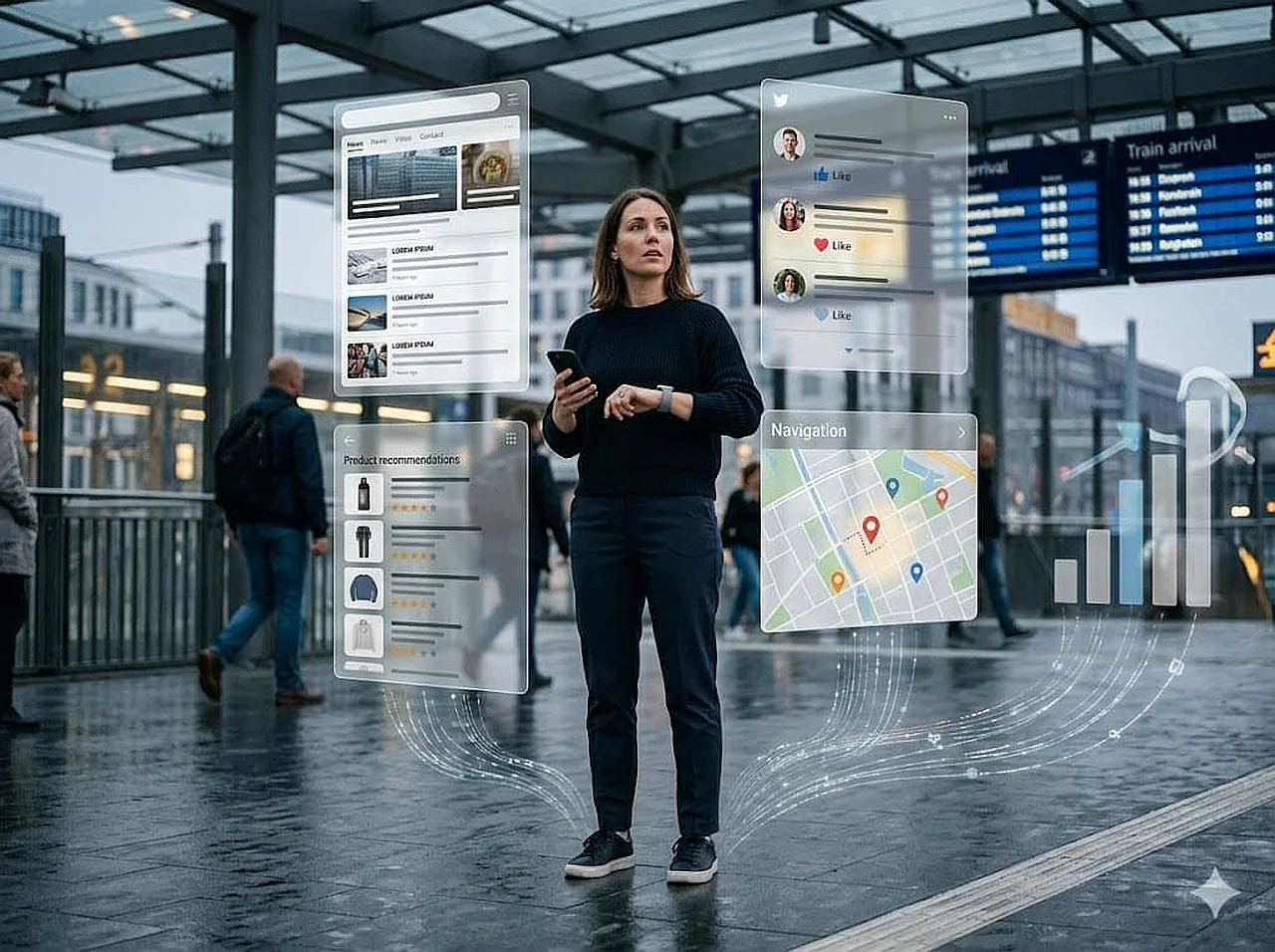
Modern tech giants not only collect data about users but are also subtly shaping their worldview and decision-making processes. A new scientific study by Bjorn Beynon, a media researcher at the University of Amsterdam, reveals how strongly Big Tech companies influence how humans perceive themselves. This is reported by Ixbt.com news reports.
According to the research, ecosystems created by companies such as Google, Meta, Microsoft, Amazon, and Apple use data obtained from search queries, purchases, and viewed videos to predict user behavior. However, this process is not limited to mere prediction; it directly influences choices by determining which news a person reads, which advertisements they notice, and which notifications they receive.
Beynon introduces the concept of the "data subject" in his work. This is a modern individual who has turned their life into a set of digital indicators, accustomed to reacting to platform signals, yet still considers themselves fully independent. Over time, algorithmic profiles begin to be perceived as the person's real personality, defining their future opportunities and the boundaries of their information perception.
Methods of control through the digital environment
The influence of platforms is usually carried out in a very hidden manner. Smartphones, smartwatches, and smart speakers do not give direct orders to the user. Instead, they guide the person toward a specific action through interface design and "convenient" recommendations. This indicates a shift in the mechanism of power in digital society: control is now exercised not through prohibitions, but by altering the digital environment in which decisions are made.To confirm his conclusions, the scientist conducted field research for a year among various groups, including conspiracy theorists in the Netherlands and users of decentralized networks like the Fediverse. It was found that a personalized information environment further reinforces a person's existing views, leading to the formation of various non-intersecting "truths" within society.
The study notes that the issue of privacy is only one part of the problem. The main issue is how digital infrastructure is changing society, political participation, and daily relationships. The fact that a large part of our lives takes place within platforms owned by a handful of companies puts technology issues on the same level as issues of democracy and personal autonomy.
At the same time, the research showed that alternative paths exist. Communities like the Fediverse are experimenting with platforms that prioritize transparency and collective governance rather than collecting user data and profiting from advertising. This suggests that it is possible to create a digital environment free from Big Tech influence in the future.


Comments 0
…