


High-Quality Fuel from Coffee Waste: New Technology Developed in South Korea
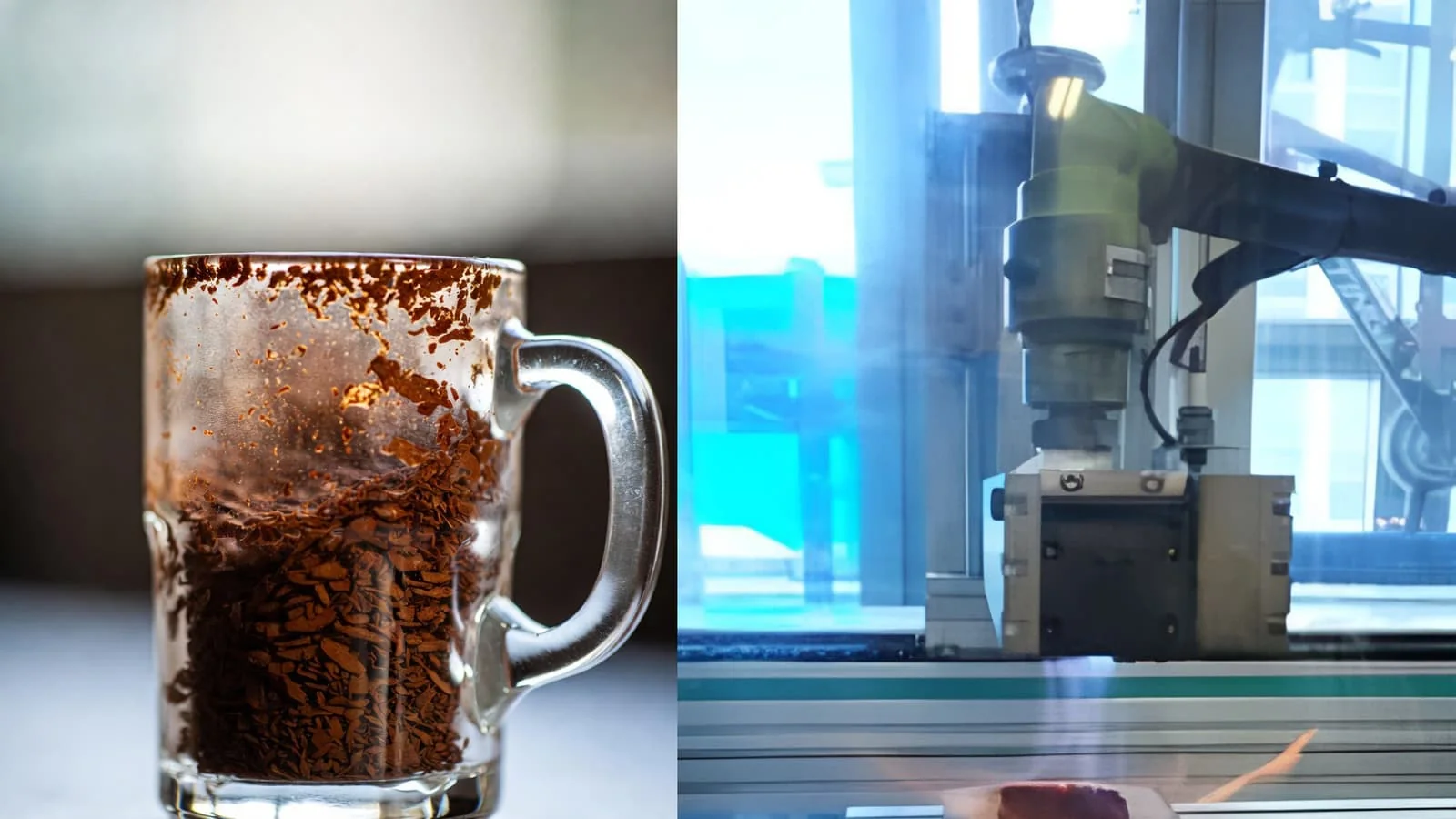
Scientists from the Korea Institute of Geoscience and Mineral Resources (KIGAM) have developed a unique method to convert coffee waste into high-energy fuel in just 90 seconds. This discovery is expected to be a revolutionary step in the waste recycling sector, as it completely bypasses the most expensive and complex stage of biomass processing — the pre-drying of raw materials. This is reported by Ixbt.com news reports.
According to ixbt.com, the new technology is based on a Flame Plasma Pyrolysis system. Through this method, moisture-saturated coffee waste is transformed into biochar that is close in properties to anthracite, considered the highest quality type of coal. Usually, moisture in biomass makes processing difficult, but Korean engineers have eliminated this barrier with an effective solution.
"Popcorn Effect" and the Technological Process
Researchers used a plasma flame with temperatures of 800–900 °C. Interestingly, in this process, moisture serves as an aid rather than a hindrance. Water inside the coffee particles instantly turns into steam upon entering the high-temperature environment, and the internal pressure essentially bursts the material. Scientists call this the "popcorn effect." As a result, the material structure is rapidly disrupted, becoming porous and turning into carbon fuel in a short time.The indicators of the resulting biochar amazed the specialists. Its heating value is 29 MJ per kilogram, which is three times higher than that of ordinary coffee waste. Additionally, the pure carbon content in the material increased from 15.6 percent to 46.2 percent, nearly a threefold increase.
From an ecological perspective, this method is also very efficient. During the plasma treatment process, sulfur compounds are completely eliminated, which prevents the emission of harmful dioxide gases into the atmosphere when the fuel burns. The amount of smoke and resin is also significantly reduced compared to traditional methods.
Broad Possibilities
The main advantage of the new technology is its speed. For comparison: while other biomass processing methods require from 30 minutes to 6 hours, the KIGAM device completes the task in less than 2 minutes. This allows for significant energy and time savings on an industrial scale.Scientists emphasize that the resulting product can be used for more than just fuel. Due to its high porosity, this biochar can also be applied for the following purposes:
- Production of activated carbon;
- Creation of industrial sorbents;
- Filtration systems for water and air purification.
According to the project authors, this method can be applied not only to coffee but also to other food waste, agricultural residues, and even sewage sludge. This will serve to transform city landfills into useful energy sources in the future.


Comments 0
…