


Tesla Robotaxi project faces unexpected decline: Are Elon Musk's plans at risk?
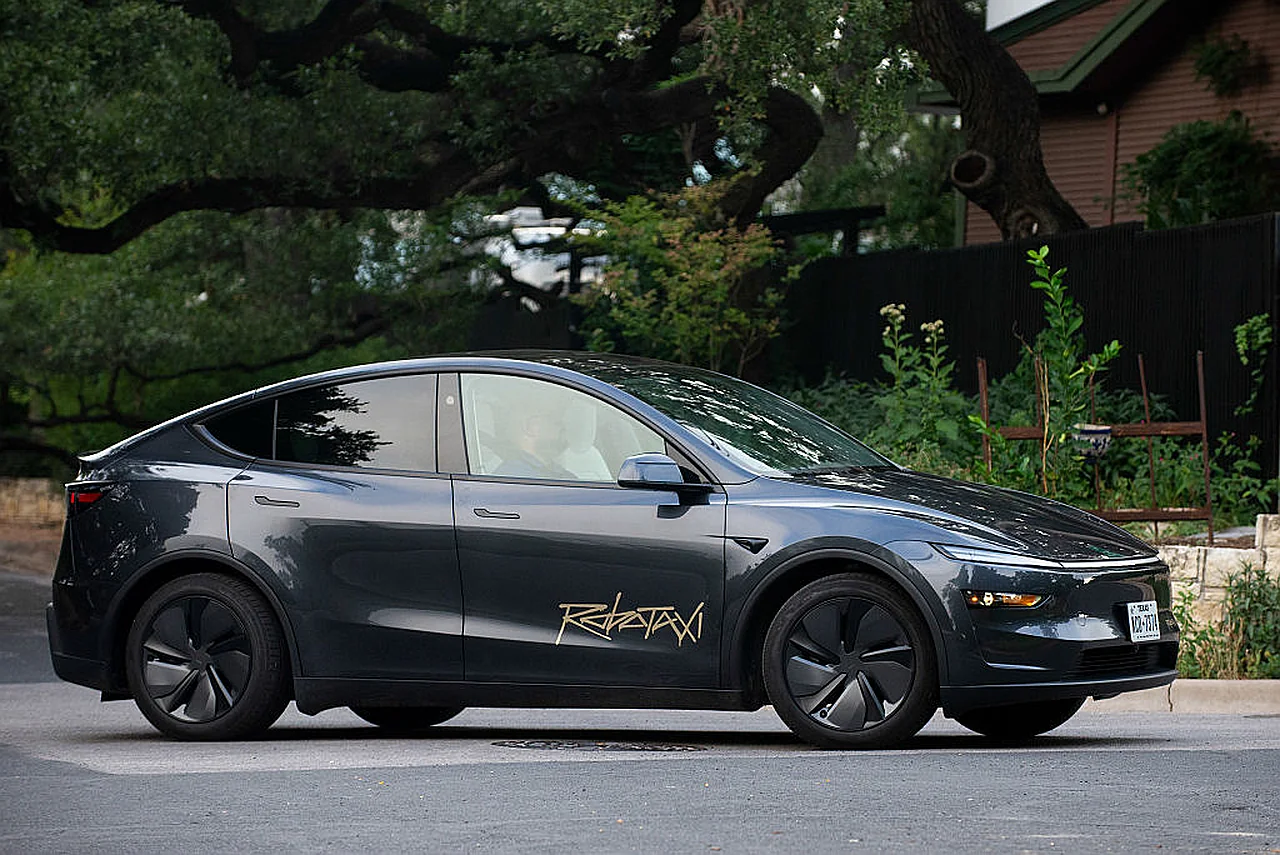
Tesla, the leader in the electric vehicle market, has seen an unexpected decline in its Robotaxi network, which the company considers its main future strategic direction. According to the latest reports released by the company, the distance covered by autonomous taxis serving paying customers in the second quarter of this year has decreased significantly compared to the first quarter. This situation contradicts Elon Musk's promises of generating massive revenue through autonomous driving technologies. This is reported by Techcrunch.com reports .
Looking at the numbers, in the first quarter, the Robotaxi fleet consisting of Model Y SUVs covered approximately 1.1 million miles in paid orders. However, by the end of the second quarter, this figure dropped to 700,000 miles, a decline of nearly 36 percent. This comes despite Tesla announcing the expansion of this service to six cities in Texas and Florida.
Technical challenges and the Cybercab project
Tesla CEO Elon Musk acknowledged the slow growth of the Robotaxi service during the quarterly earnings conference. According to him, the company needs to collect driving data specific to the custom-designed two-seater Cybercab model. Data currently being collected from millions of existing Model 3 and Model Y vehicles may not be sufficient for the new chassis and platform.Therefore, Tesla engineers are currently conducting tests using special Cybercab prototypes equipped with steering wheels and pedals. Musk emphasized that it is impossible to scale the Robotaxi fleet massively until this new platform is fully calibrated. This casts a shadow over the company's claims for several years that "data collected from existing vehicles is sufficient for autonomous taxis."
Financial losses and market reaction
The decline in Robotaxi performance coincided with a drop in revenue in Tesla's core business. The company's financial results fell short of Wall Street analysts' expectations. As a result, Tesla shares lost more than 13 percent in Thursday's trading. Investors are concerned that the company is betting too heavily on autonomous driving technology and that expected results are being delayed.The company's management explained the slowdown as a safety measure. "Our goals for Robotaxi are very ambitious, but we must be cautious to prevent any accidents or harm to people," said Elon Musk. Nevertheless, in areas like San Francisco, Tesla vehicles still do not have the necessary permits for fully autonomous operation and are moving under the supervision of a safety driver.
In conclusion, although Tesla wants to tie its future to fully autonomous transport, real numbers and technical barriers show that this road is still long. For developing markets, the implementation of these technologies remains directly dependent on Tesla's successful experience in the US.


Comments 0
…