


Smallest.ai raises 13 million dollars to develop voice AI
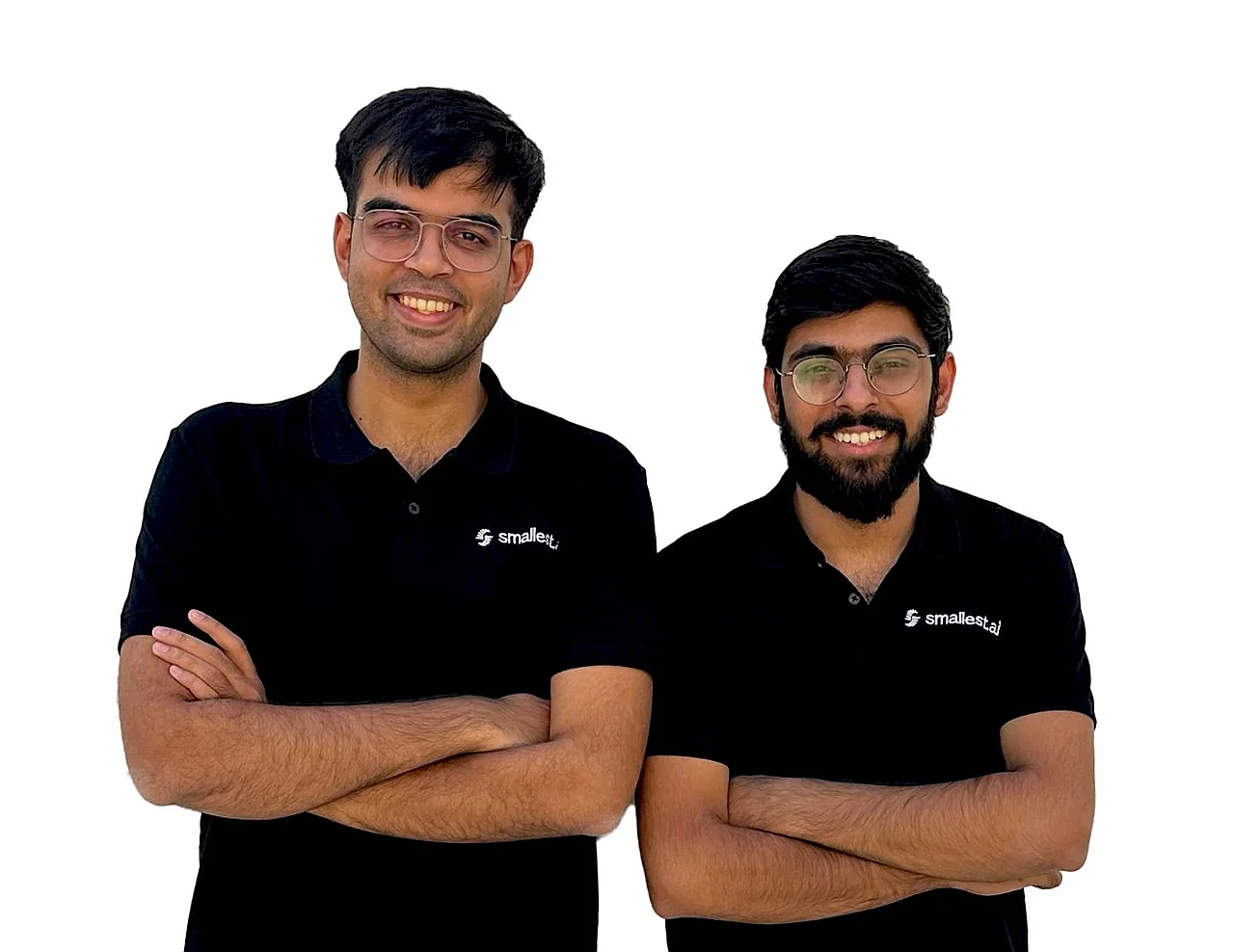
Despite AI agents being actively used in customer service and other fields, most users immediately notice they are talking to a robot. According to TechCrunch, Smallest.ai, a startup founded in late 2024, has raised 13 million dollars to solve this problem and bring voice communication to a level indistinguishable from human speech. This funding brings the company's total investment to over 21 million dollars. This is reported by Techcrunch.com reports .
Currently, most large language models (LLMs) work by accepting a full text prompt and then returning a response. While this delay is unnoticeable in text chats, even the shortest pause feels unnatural in voice communication. Sudarshan Kamath, founder and CEO of Smallest.ai, explains that humans listen, think, and speak simultaneously during conversation. The startup is focused on creating a special small voice model that replicates precisely this natural process.
Real-time intelligence layer
The technology being developed by the startup acts as a real-time intelligence layer. This enables natural conversations with customers on specific topics with nearly zero response latency. If the model encounters a complex topic outside its limited knowledge base, it puts the customer on hold briefly to investigate the issue, just like a real human, and consults a more complex large base model.According to Sudarshan Kamath, in the future all AI agents will rely on two types of models: a small voice model for real-time communication and an "offline" LLM called upon when complex problems need to be solved. Unlike large base models, Smallest.ai pays special attention to voice-specific nuances such as understanding various accents, supporting dozens of languages, and working perfectly even in noisy environments.
Funding stage and future plans
According to ixbt.com and TechCrunch, Smallest.ai has successfully closed its 13 million dollar Series A funding round. This funding round was led by Seligman Ventures, with contributions from Sierra Ventures and 3one4 Capital as well. The newly attracted funds will serve to further expand the startup's technological capabilities.Today, the startup's clients include major companies operating in the voice communication sector such as RingCentral and Truecaller. Kamath notes that any company providing customer support services, including new entrants like Sierra and Decagon, are potential partners that could use this technology in the future.


Comments 0
…