


China Is Building a Special Laboratory to Study Martian Soil
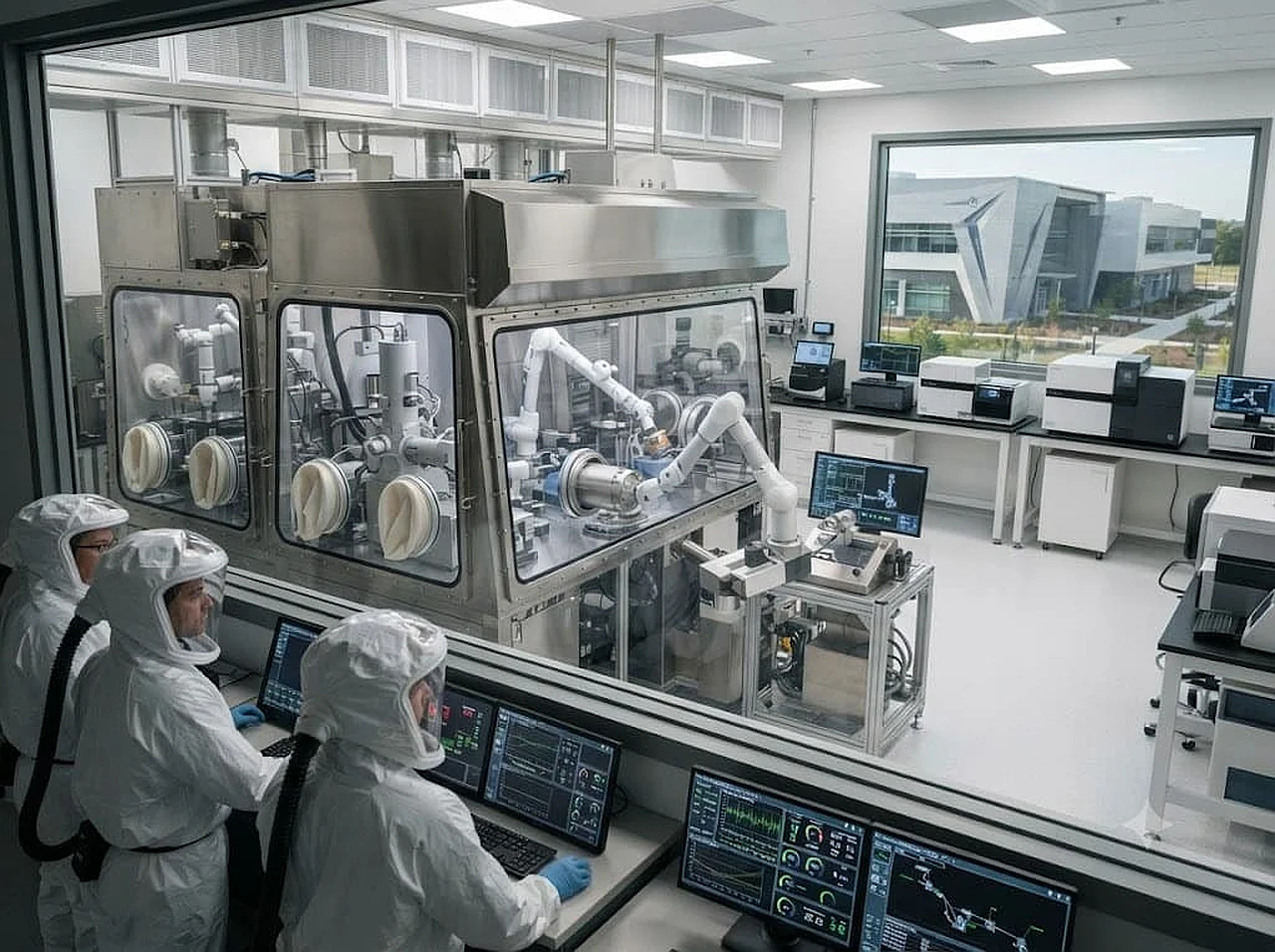
China has taken another giant step in the history of space exploration by beginning construction of a special planetary protection laboratory for the Tianwen-3 mission, which aims to bring soil samples from the Red Planet back to Earth. According to ixbt.com, this important scientific facility will become part of the Deep-Space Science City research center in Anhui Province, with the Deep-Space Exploration Laboratory (DSEL) responsible for its operation. This was reported by Ixbt.com reports .
The new complex is designed to provide two-way biological protection, considered one of the most important safety measures in space exploration. The laboratory will simultaneously prevent valuable samples brought from Mars from being contaminated by terrestrial organisms and completely eliminate the risk of potential extraterrestrial biological material spreading into Earth's environment.
Scientific Research and Sterilization Processes
The specialized facility will eventually be used to open, sterilize, extensively process and comprehensively study Martian soil samples. Specialists will also assess the biological hazards associated with the returned material. The complex will serve as a fundamental base for supporting China's major lunar and interplanetary space missions and studying Martian material.According to the approved roadmap of the China National Space Administration (CNSA), the Tianwen-3 mission is scheduled to launch in 2028. The scientific community and experts expect Martian soil samples to reach Earth around 2031 if all planned operations are completed successfully.
International Requirements and Future Plans
Li Han, director of the DSEL Strategic Planning Department, said that China strictly follows the Committee on Space Research (COSPAR)'s stringent planetary protection requirements when implementing its space programs. This will make it possible to reduce the risk of any biological contamination between Earth and Mars to zero.The announcement of the laboratory marks a logical continuation of the country's ambitious interplanetary research program. It is worth recalling that in 2021, China successfully landed its Zhurong rover in the southern part of Utopia Planitia. During its year of operation, the vehicle traveled 1,921 meters and collected important scientific data to help prepare for the next expedition.


Comments 0
…