


US Army exhausts annual artificial intelligence limit in just one month
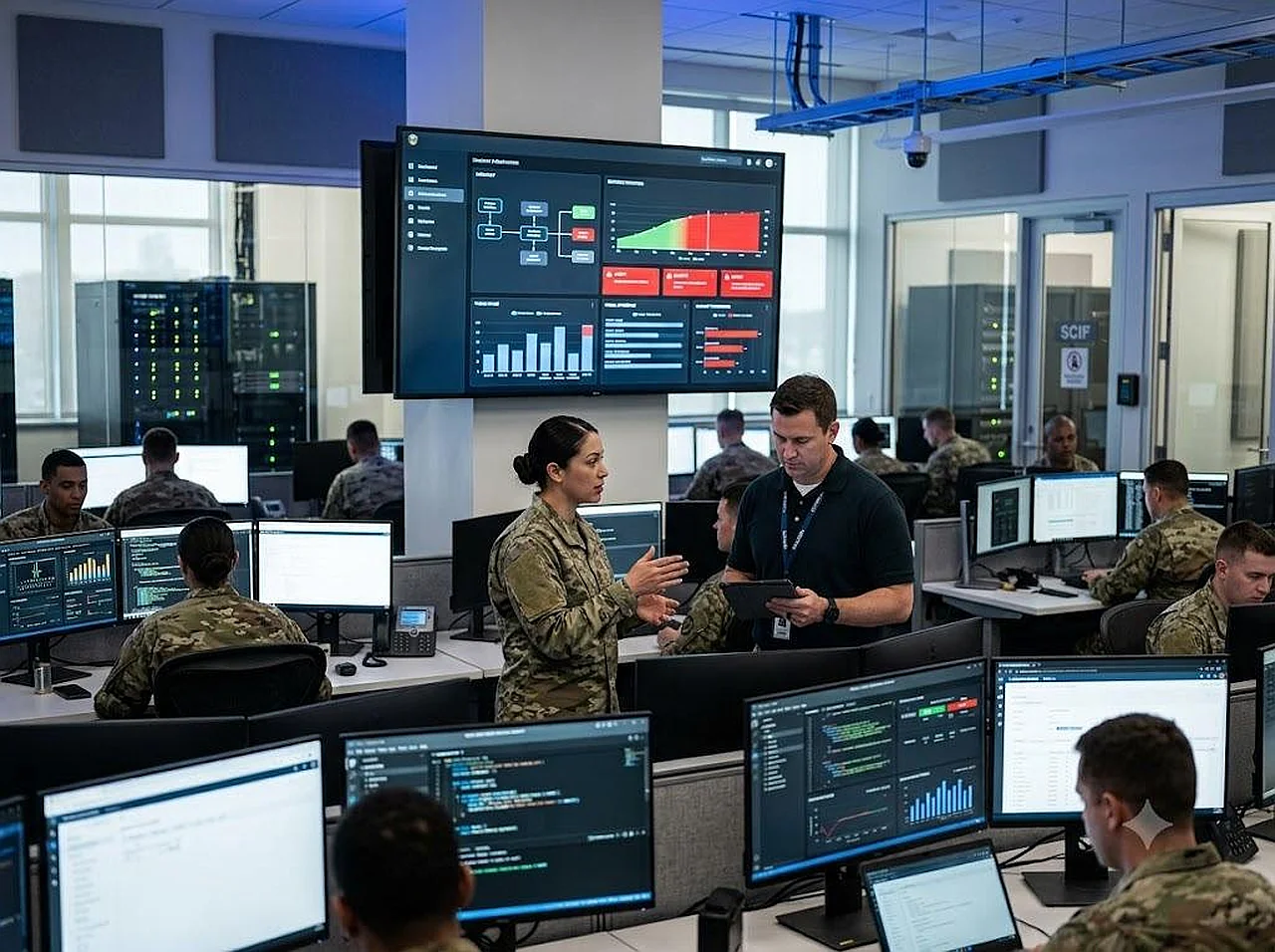
Shortly after unlimited access to artificial intelligence was announced for U.S. Army personnel, an unexpected issue arose. Service members and staff exhausted the entire annual token allowance allocated for AI systems in just one month. This situation shows that the demand for modern technologies within the Pentagon system is ten times higher than expected. This was reported by Ixbt.com reports .
According to internal documents obtained by Wired, the U.S. Army Information Technology Office (Army CIO) had announced the lifting of restrictions in May. However, by mid-June, the centralized token pool had completely emptied. As a result, the leadership was forced to immediately reinstate the previous restrictions.
Ask Sage Platform and Unexpected Activity
The military is using the Ask Sage corporate platform, which integrates large language models such as ChatGPT, Gemini, and Llama. With this system, personnel automated daily tasks such as performing administrative duties, processing job descriptions, and classifying personnel. Initially, each user was allocated 200,000 tokens per month, and light users were even sent reminders to be more active.According to data, the Ask Sage annual corporate subscription included 100 million tokens (one token is equivalent to approximately 3.7 characters of text). However, the mass migration of employees to AI wiped out this huge reserve in a few weeks. System usage continues, but whether new reserves will be allocated after October 1 remains in question.
The Role of Artificial Intelligence in Military Operations
The application of artificial intelligence on a Pentagon scale has reached an even more astonishing level. According to Breaking Defense, during the 38-day Operation Epic Fury conducted against Iran, the U.S. military spent an average of 20 billion tokens per day. This figure confirms that generative AI is now becoming not just an auxiliary tool, but a strategic weapon.The U.S. Department of Defense continues to expand the scale of AI implementation. In particular, complex tasks previously performed manually by specialists are now being handed over to algorithms:
- Assessing risks to civilians in combat zones;
- Sorting through massive amounts of intelligence data;
- Optimizing supply chains and resource allocation;
- Automated analysis of personnel administrative documents.


Comments 0
…