


Iran vs. US confrontation: Whose strategy lasts longer?
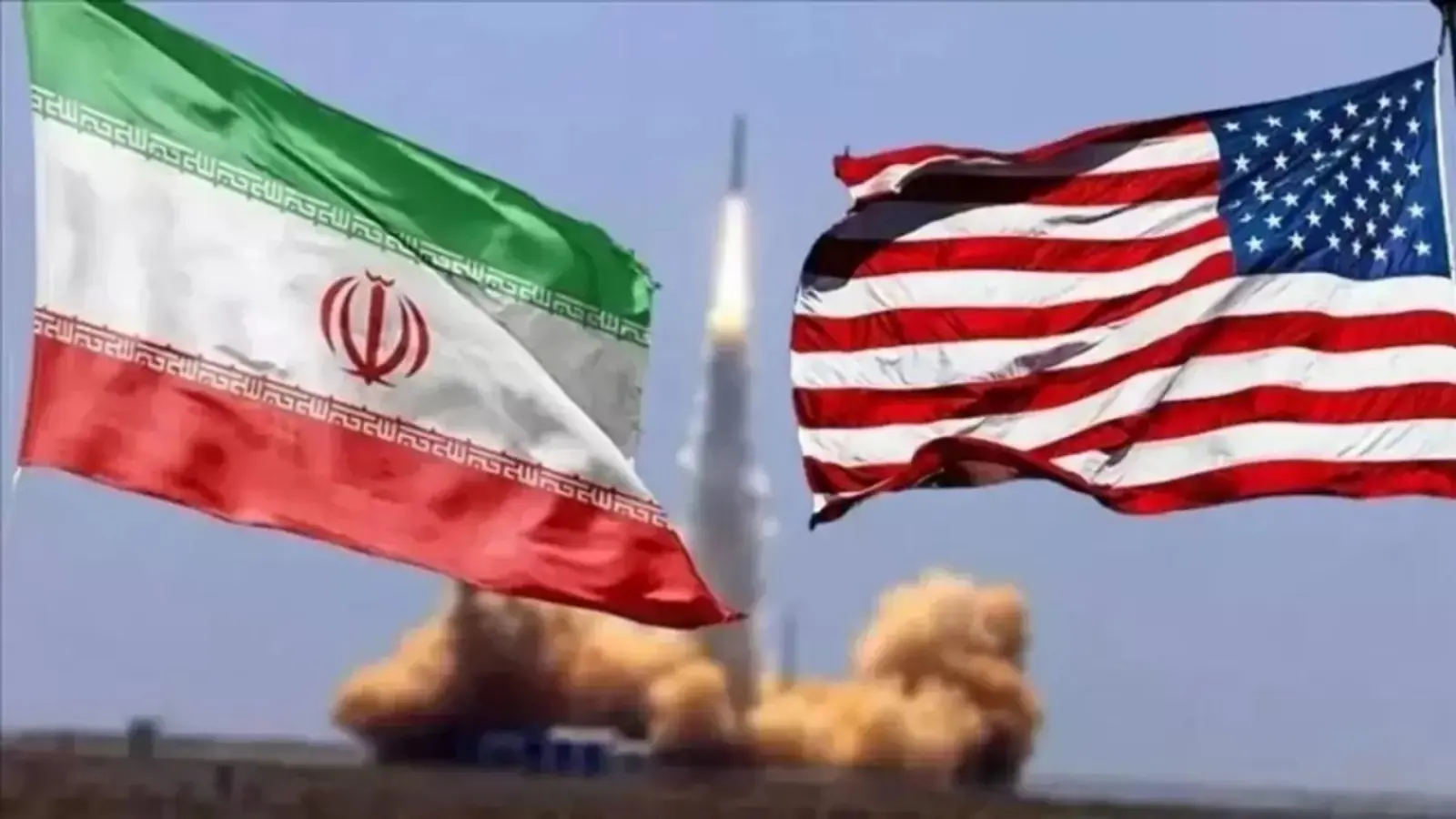
Against the backdrop of geopolitical upheavals in the Middle East, the world's attention has shifted to the military balance of two other major powers - Iran and the US. This is not just a battle of numbers, but a complex chess game between "expensive technologies" and "cheap but effective asymmetry." Zamin.uz presents to your attention in-depth expert analyses on this topic.
Today, when it comes to possible collisions, the difference between one side's massive ballistic missiles and the other side's high-precision cruise missiles has become the main topic. But the fate of war is decided not only by weapons, but also by economic and social resilience.
Iran: Technological "phenomenon" surrounded by restrictions
Many consider Iran a country weakened by sanctions. However, Tehran's internal potential is much deeper:
- Scientific basis: The level of education in the country, especially among women, has increased sharply. This created a solid foundation for engineering and innovation.
- Localization: Disconnected from the foreign market, Iran has learned to produce gas turbines, engines, and complex equipment on its own.
- Drones and missiles: Iranian ballistic missiles are a means of strategic pressure, while Shahed-type drones have caused a sensation in the global military market due to their affordability and accuracy.
Asymmetrical response: A "fast" threat at sea
Iran will not fight directly against the US's giant air carriers. Tehran Strategy - Asymmetry:
Small high-speed boats, kamikaze boats, and semi-underwater vessels can turn the Persian Gulf and the Strait of Hormuz into a "trap" for the US fleet.
Disabling expensive ships by cheap and numerous means is Iran's main trump card.
U.S.: Weaknesses of Global Power
Although the United States possesses the world's richest military machine, it also has its own obstacles:
- Expensive resources: missiles like the Tomahawk are very efficient, but they are limited and production time-consuming.
- Drone shortage: The US does not have enough affordable and widely used strike drones like Iranian ones.
- The Human Factor: Washington is very sensitive to human losses. Iran's complex geography and large population suggest that a ground operation would be a "second Afghanistan" or even worse for the US.
Iran's Achilles' heel: Air Defense
The weakest point of the Islamic Republic is the lack of modern air defense systems. If the US launches high-precision airstrikes from a distance, it will be difficult for Iranian local systems to withstand such pressure. Tehran is also significantly behind in terms of ground technical equipment (tanks and BMPs).
Final conclusion: Who will win?
According to analysts, there is no such thing as "quick victory" in this war.
"This conflict will be resolved not by who has more weapons, but by whose strategy will be cheaper and who will endure politically longer."
The US could cause serious damage to Iran's military bases, but Iran's scattered infrastructure and hidden assets will not allow it to be completely subjugated. As a result, this conflict could become an extremely costly process for both sides and destabilize the region for years.
In your opinion, is high-tech expensive weapons more important in modern wars, or is the strategy of cheap and mass drones used by Iran?



Comments 0
…