


Fighting Space Threats: China Launches First Satellite Constellation to Monitor Space Debris
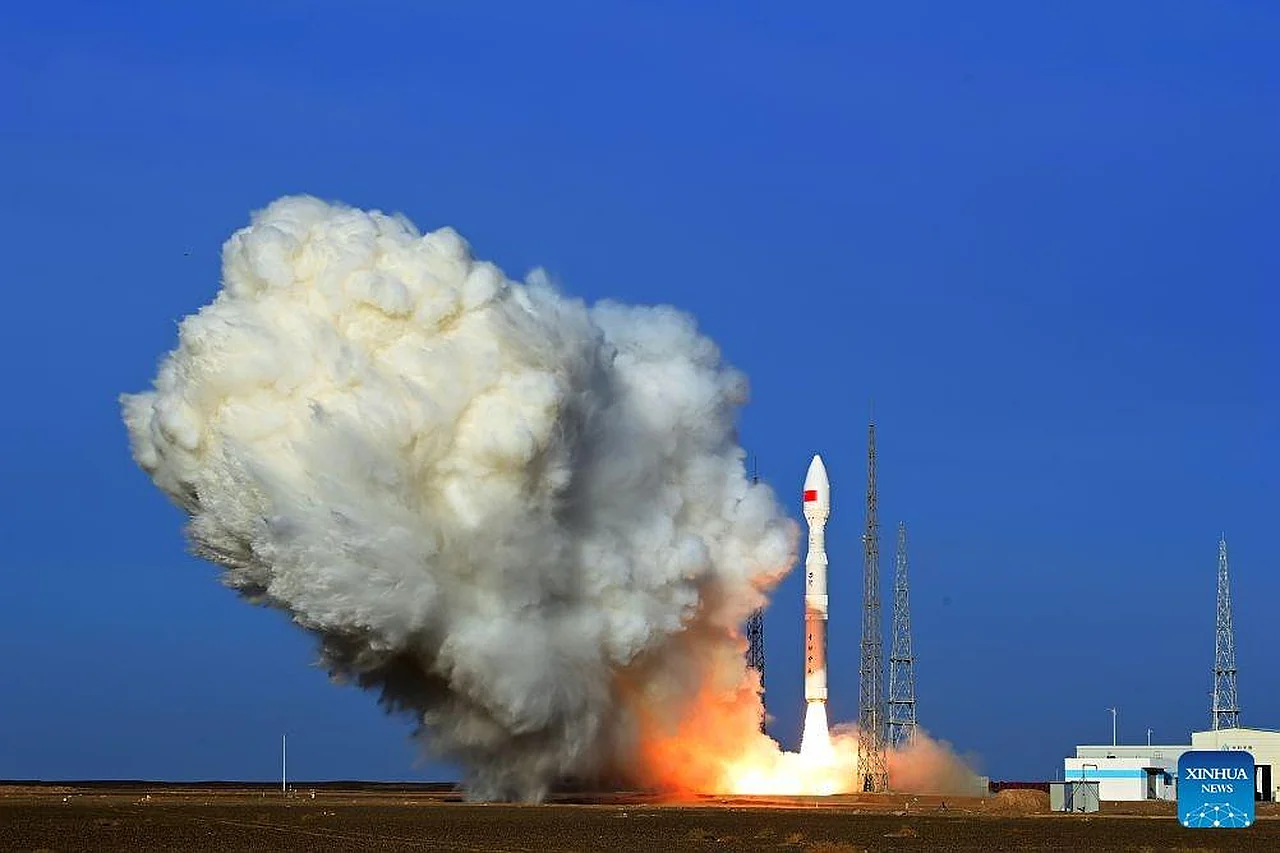
China has taken a significant step toward ensuring space security and cleaning up orbital debris. The country has launched the Gande project, the world's first commercial satellite constellation specialized in monitoring space debris. The first unit of this project was successfully launched from a spaceport in northwestern China using a Lijian-1 rocket. This was reported by Ixbt.com reports .
According to ixbt.com, this massive project was developed by Beijing-based private aerospace company ATmoto Technology. According to the plan, a total of 120 satellites will be launched into orbit by 2030. This network will enable round-the-clock monitoring of objects in low, medium, and high orbits. This is of crucial importance in ensuring the safety of active spacecraft in space.
Artificial Intelligence and Autonomous Control
The project will be implemented in three stages. The currently initiated first stage, named LX630, includes 14 satellites. These devices will focus on tracking space objects and compiling a detailed catalog of them. The first launched satellite is a unique technological achievement, featuring an onboard computer equipped with artificial intelligence (AI).This AI system enables the device to quickly track targets, monitor them, and make independent decisions in emergency situations without needing a constant connection with Earth. Additionally, the apparatus is equipped with an orbit adjustment system, which provides it with the opportunity to approach other space objects and perform complex maneuvers.
The Scale of the "Invisible" Threat in Space
Experts note that the need for such systems is sharply increasing with the growing number of rockets launched into space. Chinese media report that there are currently over one million debris fragments larger than 1 centimeter in orbit. These fragments move at a speed of about 7.9 kilometers per second and can lead to catastrophic consequences upon colliding with any satellite or space station.Subsequent stages of the project will involve even more complex tasks:
- In the second stage, 36 satellites equipped with high-resolution cameras and electromagnetic sensors will be launched;
- In the third stage, another 70 smart devices capable of recognizing objects and analyzing their movement will be placed into orbit.


Comments 0
…