


400-Year-Old Secret Messages Reveal Mughal Secrets
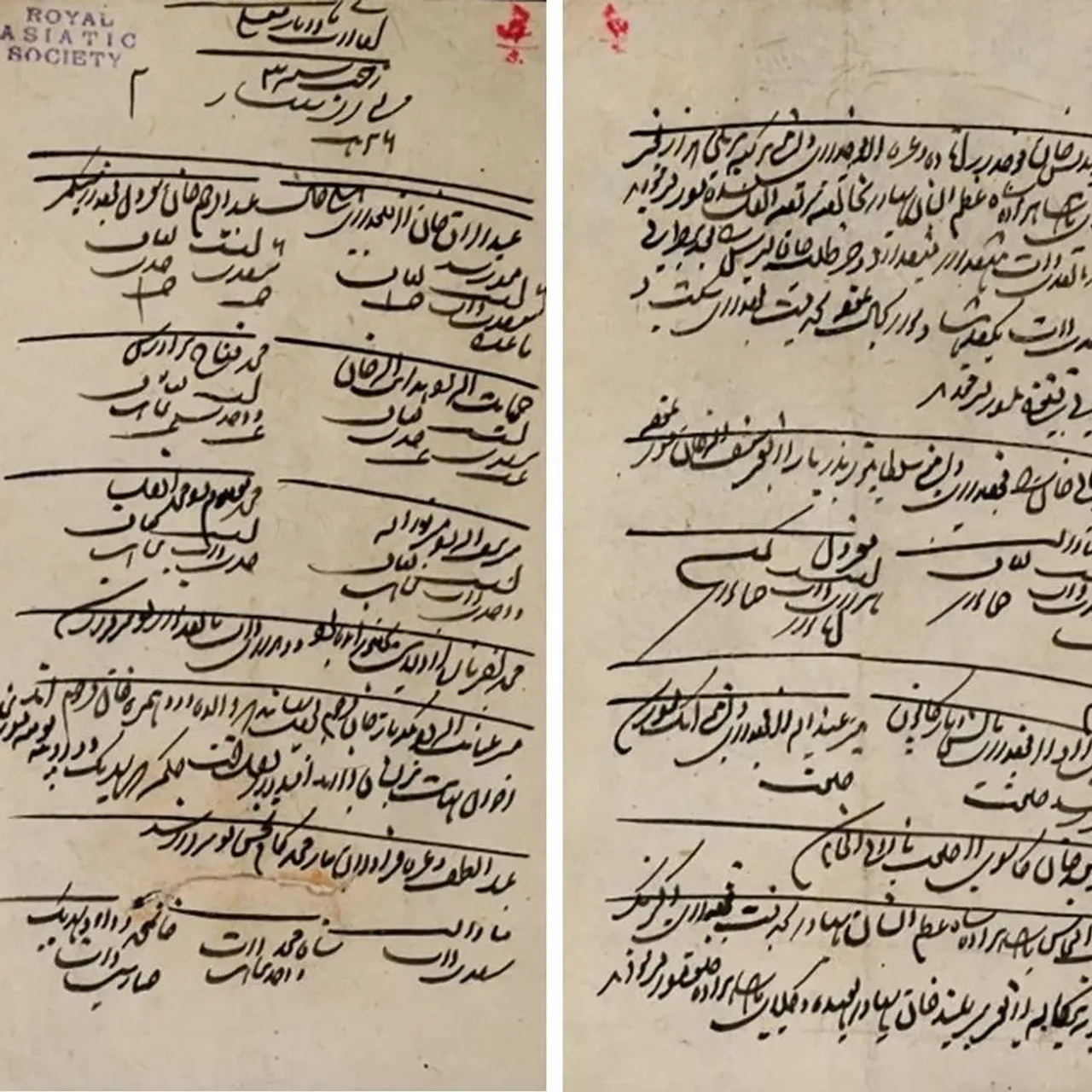
While the first newspapers were appearing in Europe, the Mughal Empire also possessed its own sophisticated information system. From the late 16th century, hundreds of scribes, special envoys, and writers prepared "information" (akhbarat) called daily newsletters. They recorded political events at court, military campaigns, appointments, financial matters, local administration, and even various rumors.
These documents, written in Persian, formed the information network of the Mughal Empire. Every day, hundreds, perhaps thousands of copies were sent from the imperial center to various provinces, some of which were read aloud before local officials. In this way, events from the center reached the remotest regions of the country quickly.
Munis M. Faruqui, a historian from the University of California, Berkeley, began an in-depth study in 2007 of the collection known as «Akhbar-i Darbar-i Mualla» ("Newsletters of the Exalted Court") preserved in Indian and British archives. By analyzing over 6,500 pages of documents kept at the National Library of Kolkata, the scholar succeeded in reconstructing the lives of princes, generals, officials, court women, and other key figures through tens of thousands of entries.
The research results led to a reconsideration of many views regarding the era of Aurangzeb, who ruled in the 17th century. For instance, the scholar notes that there is very little evidence in the archives to fully support widespread notions of mass religious coercion during Aurangzeb's reign. Additionally, it became clear that the political influence of women and eunuchs at court was much higher than previously thought.
In particular, the frequent appearance of Aurangzeb's daughter Zinat-un-Nissa in the archives surprised scholars. While previously very little information existed about her, new documents show her as one of the emperor's most trusted political supports. According to the scholar, she played a crucial role in maintaining the power of the aging Aurangzeb.
A large part of the archives is currently kept in London, Kolkata, Bikaner, and Sitamauda. The richest collection is at the National Library of Kolkata, consisting of 21 volumes dedicated to Aurangzeb's reign. Historians believe that similar documents may also exist in private collections.
Faruqui says that studying these archives is not easy. The documents lack indices, and finding the necessary information among tens of thousands of entries is like "searching for a needle in a haystack." However, these very sources provide a detailed look at how the Mughal Empire was managed, how decisions were made, and how information was disseminated.
The scholar emphasizes that these archives are a unique historical heritage that has not yet been fully studied. Based on them, dozens of new books and scientific research can still be created. These manuscripts show that the Mughal Empire had a highly developed information system for its time and that many secrets about its history remain to be uncovered.


Comments 0
…