


New Hope Emerges Against Almost Untreatable Cancer
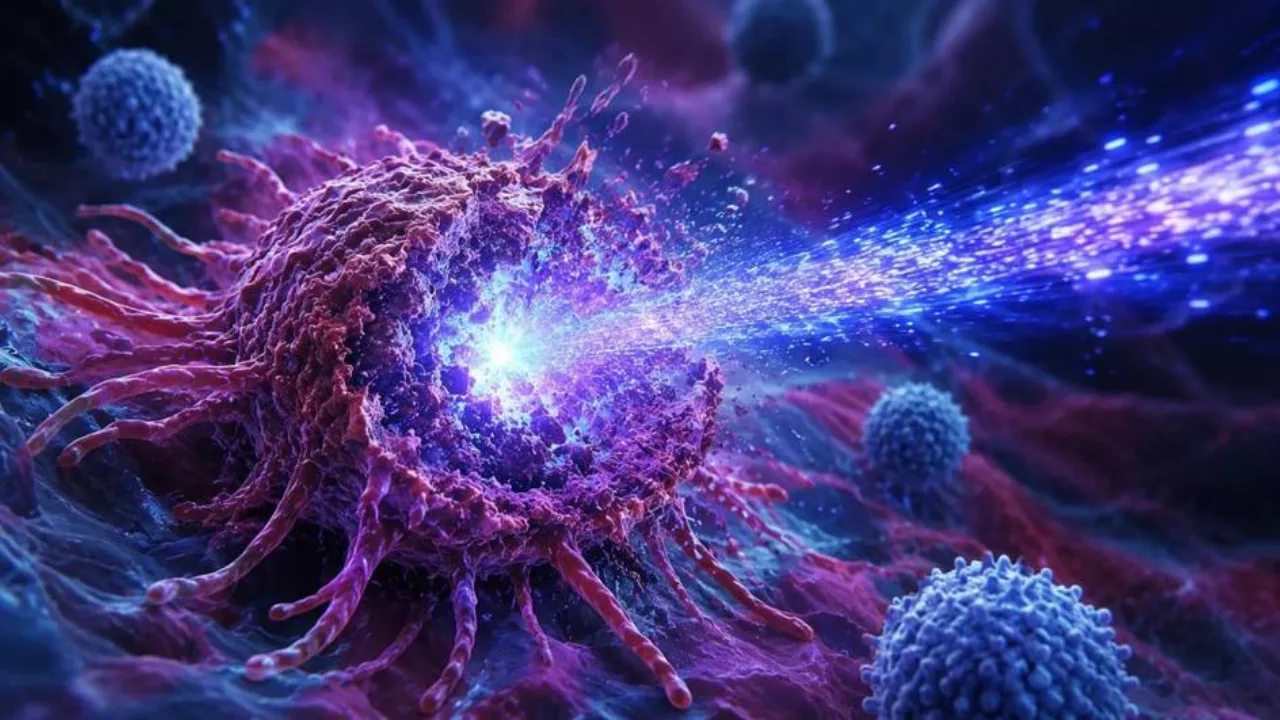
A new method has been developed against one of the types of lung cancer considered the hardest to treat. The results of a study conducted by scientists from Russia's RUDN University in cooperation with Chinese colleagues demonstrated the potential to increase the effectiveness of treating this disease.
Experts studied lung adenocarcinoma — the most common type of lung cancer. Since genetic mutations observed in some patients significantly reduce the effectiveness of existing treatments, the scientists tested a new approach.
Within the framework of the study, hadron therapy was combined with drugs blocking the PCSK9 enzyme. Experiments conducted on modified cancer cells in laboratory conditions showed that this combination destroys hazardous cells much more effectively than standard treatments.
Scientists note that hadron therapy has high precision, primarily targeting cancer cells and minimizing the impact on healthy tissues. This can serve to increase the safety and effectiveness of the treatment.
According to researchers participating in the project, PCSK9 inhibitors can enhance the effects of radiation therapy. The method is currently being tested on animals. In the next stage, scientists plan to deeply study its impact on the immune system in a living organism.
Experts note that while these results are promising, the method has not yet been introduced into clinical practice. Additional research and clinical trials are required to confirm the safety and effectiveness of the new therapy in humans.


Comments 0
…