


El Niño Intensifies: Millions Face Risk of Hunger
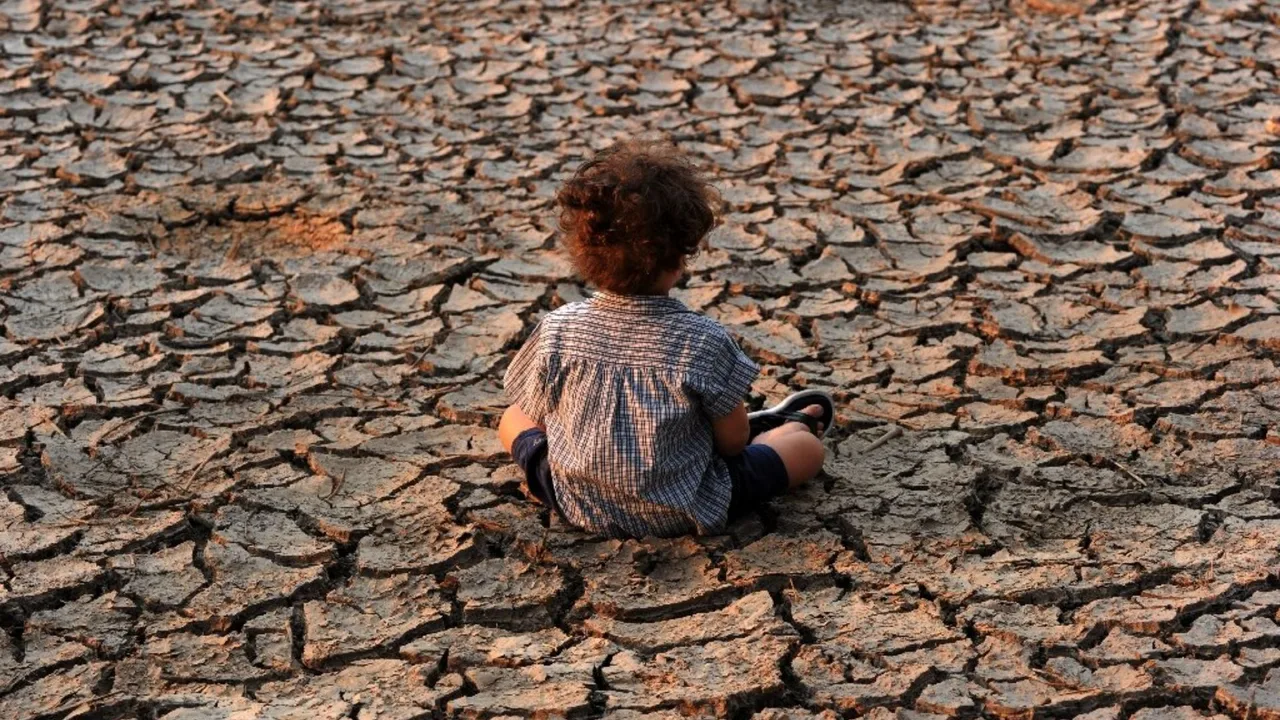
The UN World Food Programme has warned that the intensifying El Niño climate phenomenon could put nearly 50 million more people living in the world's most vulnerable regions at risk of acute hunger in the coming months.
According to the organization, the acute phase of hunger refers to a situation in which people can no longer meet even their most basic daily food needs. Experts say the strengthening of El Niño could pose a serious threat to food security.
According to the acting head of the World Food Programme, Carl SkauEl Niño will negatively affect the lives and livelihoods of millions of people. He stressed that the earlier the international community prepares for climate-related risks, the more lives can be saved and people's sources of income protected.
Estimates suggest that El Niño will intensify further in September this year. As a result, the number of people experiencing acute food shortages is expected to rise from 225 million to 274 million, or by nearly 22 percent .
The most severe consequences Central America and southern Africa are forecast to occur in countries across these regions. In addition, East Africa, South Asia and Southeast Asia are also considered to be at serious risk.
Experts emphasize that El Niño's impact is not the same in all regions. Some countries are already suffering from a lack of rainfall, severe flooding and unusually high temperatures. In other areas, conditions could worsen during the planting season and the upcoming harvest. In particular, the countries of southern Africa are considered one of the most vulnerable regions because they depend heavily on rain-fed agriculture.
The organization recalled that the 2015–2016 El Niño event negatively affected the food security of 60–100 million peopleworldwide. According to new forecasts, the 2026–2027 cycle could likewise trigger a humanitarian crisis of a similar scale.
Experts say El Niño could reach its peak between September and December . However, its effects are expected to remain noticeable throughout 2027 because of its impact on agriculture and crop yields.
Experts believe that preventive and preparedness measures taken in advance are crucial. Estimates show that every dollar spent on prevention today can prevent 3–7 dollars in future economic losses and emergency expenses. The UN is urging countries to strengthen preparations for climate risks immediately.


Comments 0
…