


Gulf States Disillusioned with US Security Guarantees
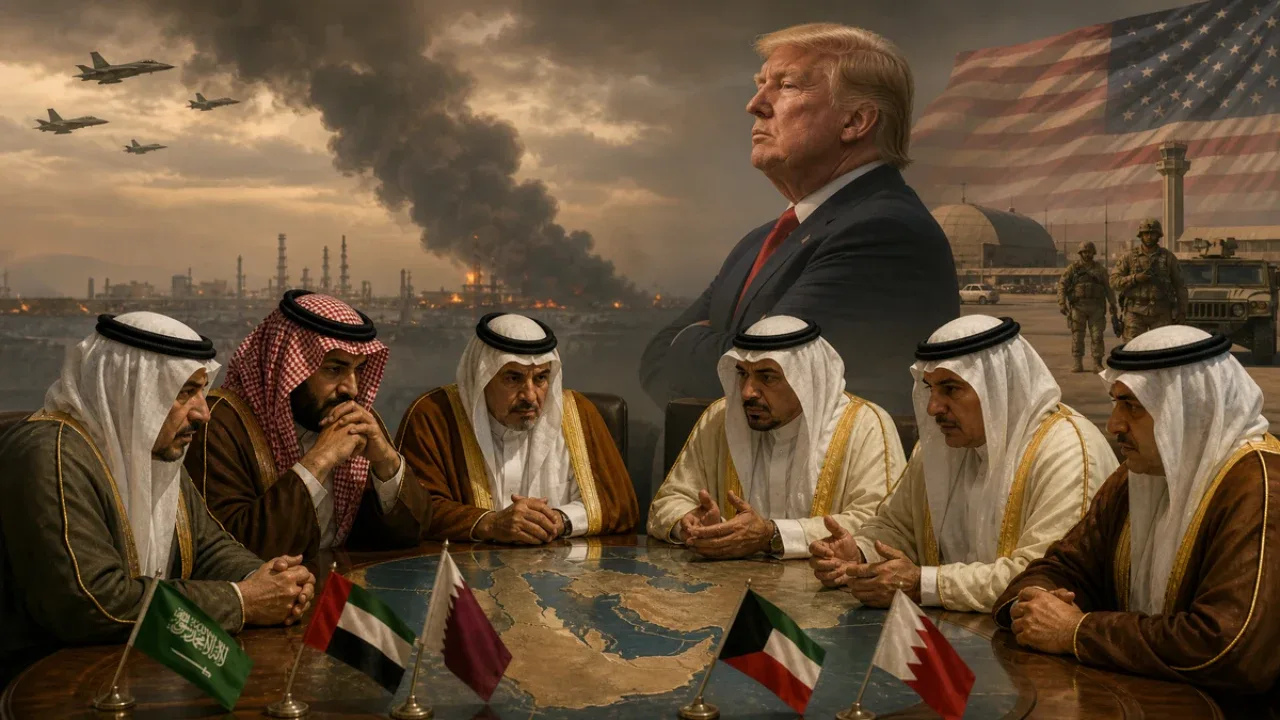
On the geopolitical stage of the Middle East, the long-standing strategic partnership between the US and its traditional Arab allies is cracking fundamentally. According to a sensational analytical article published by the influential US magazine "Time," leading Gulf monarchies have begun to seriously doubt Washington's security guarantees and military capability. Regional states are deeply shocked that the White House entered the conflict with open support for Israel, yet failed to manage its severe consequences. A firm conclusion has formed in Arab capitals that Washington has already lost a consistent, systematic, and effective strategy regarding Iran.
The virtually weekly changes in military objectives, coupled with the US administration's rush to back out of the conflict while Iran blocked the Strait of Hormuz, caused serious discontent among Arab allies. They feel as though they were dragged into the abyss of a major war without any warning, consultation, or defensive means. Following this, Qatar, Oman, and even Bahrain and Kuwait—initially holding a firm stance—pressured Washington and reverted to a policy of pursuing urgent peace rather than confronting Iran.
So, why has Washington's influence in the Middle East declined to this extent, why are Gulf monarchs losing faith in the US, and how will this shift alter the balance of power in the oil world?
"Without Warning and Defenseless": Arab States' Objections to Washington
Analyses disclosed by "Time" and the reasons for allies' disillusionment:
Failure to Contain Consequences: Gulf nations were shocked that the US directly intervened in the conflict for Israel's interests, yet failed to control the resulting geopolitical and security crisis;
Lack of a Consistent Strategy on Iran: Arab leaders have been emphasizing for months that the White House has neither a clear plan nor an effective pressure mechanism left regarding Tehran;
Weekly Shifting Objectives: According to the publication, Washington's military-political goals kept changing incessantly, and at the moment when Iran blocked the Strait of Hormuz—a vital trade artery—the US rushed to exit the conflict;
Sense of Betrayal: These actions reinforced the view among Gulf states that they were left alone in grave danger without any consultation or real security measures.
De-escalation Instead of Resistance: A Sharp Shift in Regional Policy
Against the backdrop of emerging mistrust, Gulf capitals are taking independent steps:
Return to Previous Neutral Policy: Abandoning blind obedience to the US, Arab states chose the path of restraint, compromise, and de-escalation rather than an open confrontation with Iran;
Peace Pressure from Qatar and Oman: Officials in Doha and Muscat exerted heavy pressure on Washington, demanding an immediate halt to military actions that would further devastate the region and the conclusion of a peace treaty;
Withdrawal of Kuwait and Bahrain: Kuwait and Bahrain, which favored continuing the military standoff, were ultimately forced to support the general peace stance in the Gulf once trust in the US was lost.
Is Washington's Hegemony in the Middle East Coming to an End?
Prospects for global relations and energy security:
Search for Alternative Partners: Doubts about American protection are prompting Gulf monarchies to deepen ties with other major powers, such as China and Russia, to ensure their own security;
New Rules of Energy Security: The security of the Strait of Hormuz and oil routes is increasingly likely to be resolved through direct diplomatic dialogue between Arab states and Tehran rather than with US assistance;
Washington's Weakened Influence: These diplomatic shifts across the entire region dealt a severe blow to America's decades-long status of undisputed leadership and security guarantor in the Middle East.
The disillusionment of Gulf countries with Washington's security guarantees is clear evidence that a new geopolitical balance free from the influence of external powers is taking shape in the Middle East.
Do you think the US really abandoned its long-standing Arab allies in the face of Iran, or did Washington simply avoid entering a major war? Can Gulf countries now draw closer to Beijing and Moscow to preserve their security? Leave your analytical thoughts in the comments and share this important article about this historic turning point in global politics with all your friends and international observers!



Comments 0
…