


Zhuque-2 rocket successfully launches ten satellites into orbit
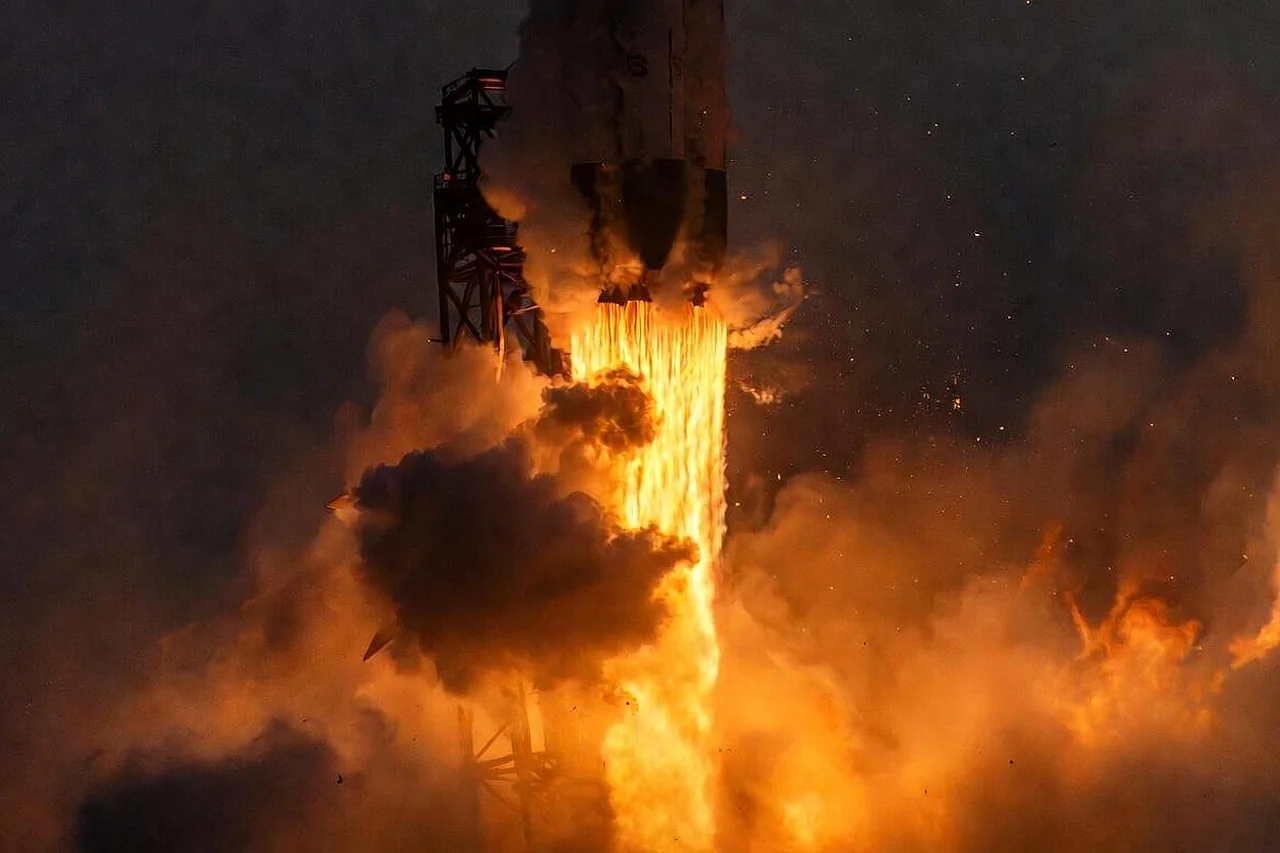
The private Chinese aerospace company LandSpace has launched its Zhuque-2 upgraded carrier rocket on another successful mission. According to ixbt.com, the launch took place on September 15 at 14:26 local time from the Dunfeyn commercial spaceport, successfully placing ten satellites into orbit. This significant step marks a new phase for China's commercial astronautics in the mass formation of large internet constellations. This was reported by Ixbt.com .
All launched spacecraft reached their designated orbits and joined the 19th polar group of the Qianfan system, aimed at creating a broadband satellite network. This flight marks the ninth successful attempt for the Zhuque-2 family. However, this instance is notable as it is the first time the rocket has been used for the mass deployment of satellites for a large internet constellation.
The superiority and historical significance of methane technology
The key technological feature of the Zhuque-2 rocket is that it operates on liquid-fueled engines, specifically a mixture of methane and oxygen. In 2023, this rocket became the first in the world to successfully reach orbit using a methane-powered propulsion system, surpassing several American competitor projects.Currently, LandSpace is transitioning the upgraded Zhuque-2 rocket into a regular commercial operation mode. This strengthens China's position in the space services market and paves the way for securing a leading role in global competition.
Future plans and new developments
Alongside primary flights, company specialists are actively working on creating the even larger Zhuque-3 rocket. The new project is expected to feature a partially reusable design.Currently, testing processes for the recovery and reuse of the first stage of the Zhuque-3 have begun. The implementation of these innovations will significantly reduce the cost of space flights and increase the launch frequency required for deploying large satellite constellations.


Comments 0
…