


The Heart of Mumbai: A Journey Through the 130-Year-Old BMC Headquarters and City History
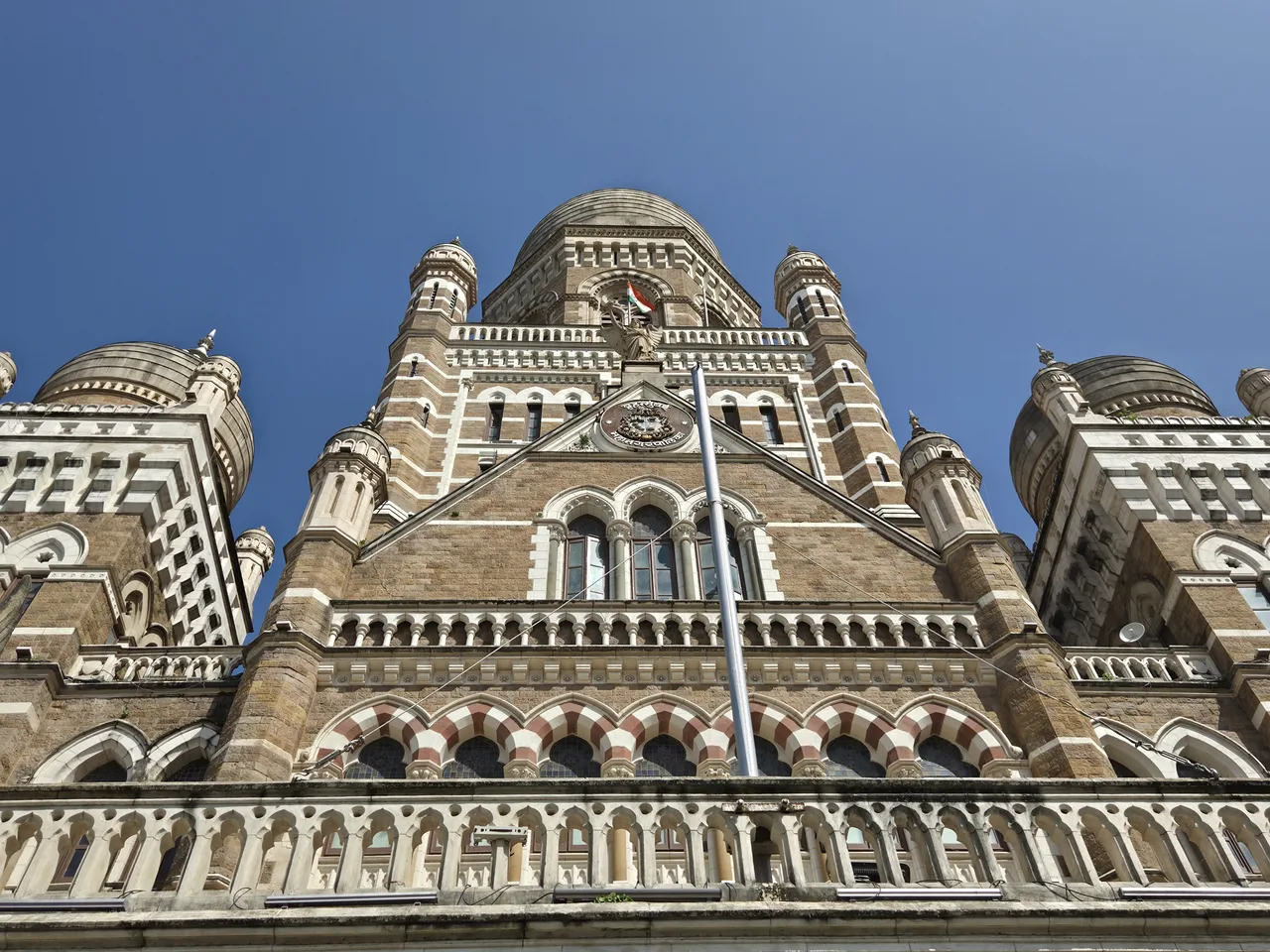
As part of the ongoing international media tour across India, our delegation has arrived in Mumbai, the country's financial and industrial capital — a colossal city. As one of the central events of the trip, a meeting and special briefing were organized at the headquarters of the Brihanmumbai Municipal Corporation (BMC), considered one of the largest municipal administrations in the world.
An architectural masterpiece and engineering marvel
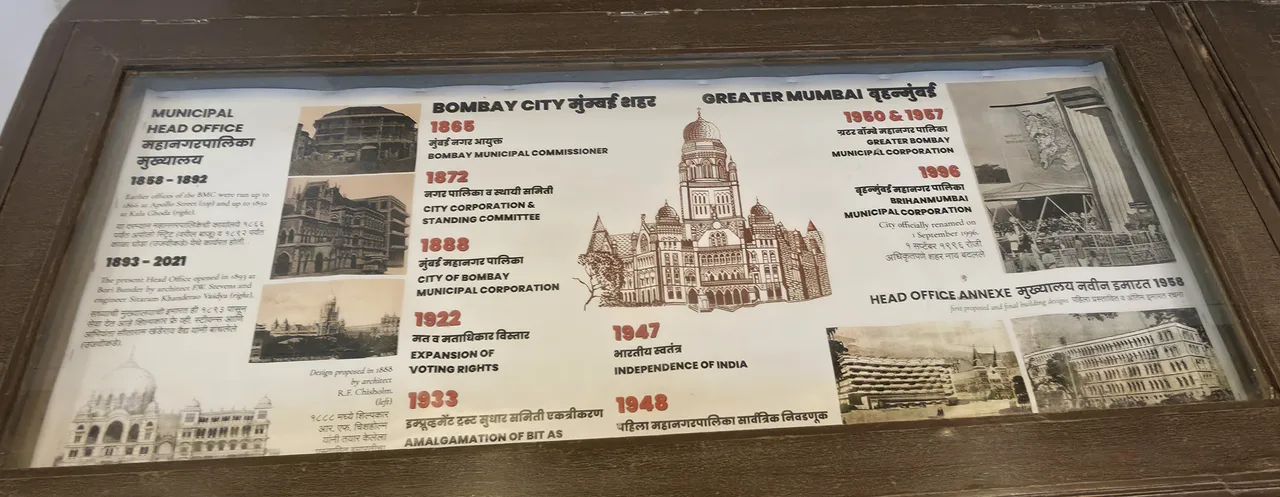
Completed in 1893 based on the design of the famous English architect Frederick William Stevens, this magnificent building embodies Indo-Saracenic and Gothic Revival styles. Right opposite it stands the famous Chhatrapati Shivaji Terminus (CST) railway station, a UNESCO World Heritage site.
Notable features of the building:
Height and internal dome: The central tower and outer dome rise to a height of nearly 72 meters (235 feet). Inside the building, a second — internal dome designed for special acoustics and air circulation has been constructed, with a height of 50 meters.
Historical hydraulic elevator and secret archive: A special secret government archive room is located beneath the dome. Additionally, two huge water reservoirs, each with a capacity of 10,000 gallons, were built nearly 130 years ago to operate a water-pressure-based hydraulic elevator that moved without electricity.
Funds saved from the budget: Construction began on April 23, 1889, and was completed in July 1893. Most amazingly, while 1.188 million rupees had been allocated for the project at the time, due to precise calculations and the labor of local Indian craftsmen, the actual cost amounted to 1.119 million rupees — meaning the construction came in under budget.
Mumbai reality: 20 million people during the day, 13 million at night
During the briefing with city officials and engineers, Mumbai's demographic and infrastructural realities were unveiled.
«Floating» population flow: Although the officially registered population is close to 13 million, more than 7 million people commute to central Mumbai from outside the city every day by train and public transport. As a result, the daytime population exceeds 20 million. The city's daily life depends on the movement of 3,200 commuter trains and buses.
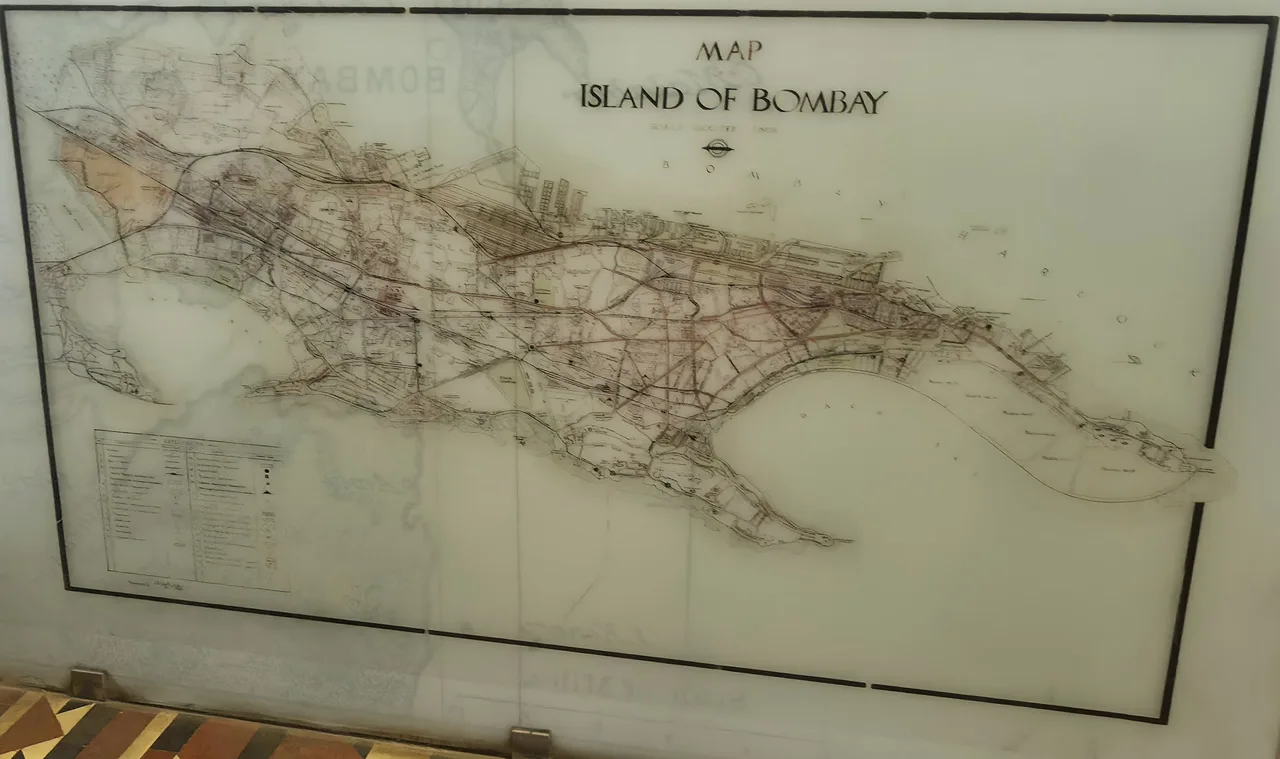
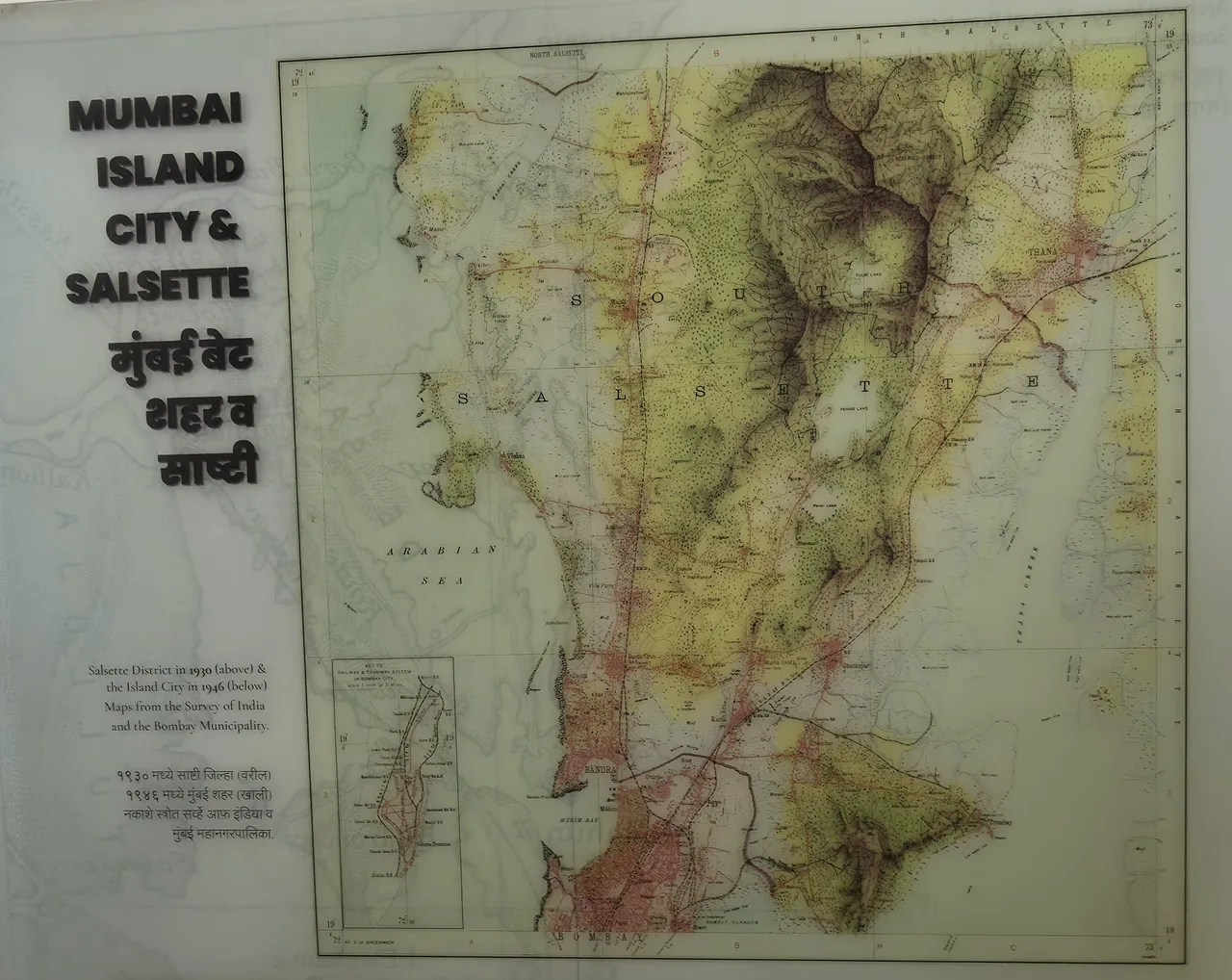
Limited territory and the Dharavi slum: Mumbai originally consisted of 7 separate islands, which were later turned into landmass. Due to limited land area, the city is growing upwards through skyscrapers rather than outwards. A special government agency (SRA) has been established to renovate densely populated areas like the world-famous Dharavi slum, with plans to gradually relocate residents into safe and modern multi-story buildings.
Natural disasters and flood control: New systems
Every year, Mumbai faces the threat of floods, cyclones, and rising sea levels during the monsoon season. The City Disaster Management Department has introduced some of the world's most advanced practices:
«Brimstowad» and underground reservoirs: While the city's drainage system could previously handle only 25 mm of rain per hour, this figure has been increased to 50 mm per hour thanks to new pumping stations and huge underground reserve tanks. The collected water is treated and safely discharged into the sea.
Climate budget: Mumbai became the 4th major city in the world after London, Oslo, and New York to adopt its own «Climate Budget». Starting from 2022, 27 departments of the city have been implementing all construction and transport projects in alignment with the city's climate action plan.
Rapid security network: Around 5,000 modern intelligent CCTV cameras have been installed across the city. Emergency centers and health departments operate continuously in every district, and a single emergency hotline 1916 has been launched for residents.
Mumbai's architecture, its rich history, and the governance system ensuring the safety of millions of people even under the most complex conditions arouse immense interest in every visitor.
Stay tuned for exclusive coverage of the Indian media tour.



Comments 0
…