


Both lodging and food are completely free: Visitors are hosted for free in one of Tajikistan's districts
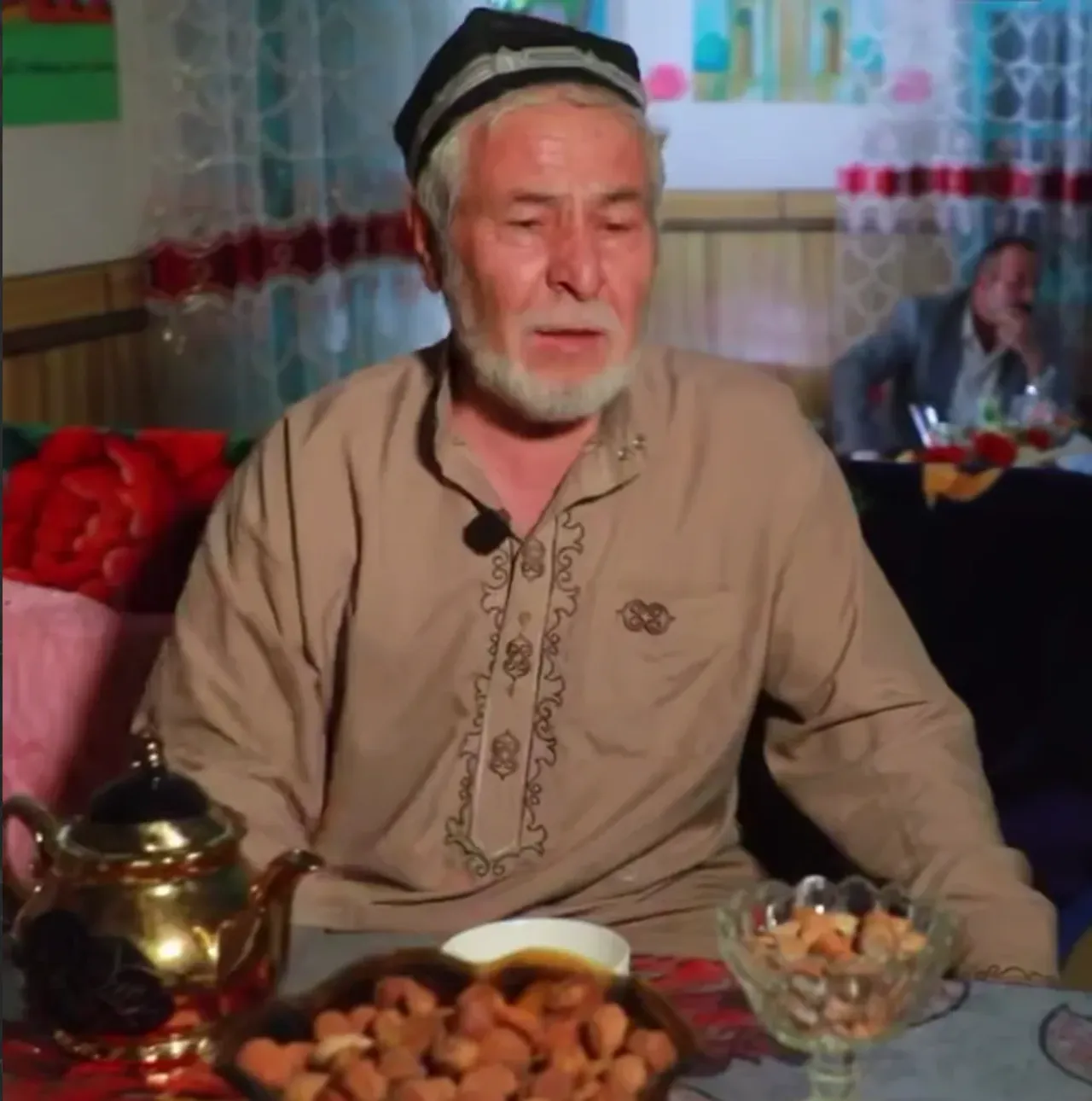
In today's fast-paced world where materiality and commerce take precedence, it is hard to believe that there are still true sanctuaries of generosity that amaze the human mind and are hard to imagine. In the picturesque "Kuhistoni Mastchoh" district, nestled in the high mountains of neighboring Tajikistan, lodging, hot meals, and recreation services are organized completely free of charge for tourists and travelers. Any traveler who sets foot in this area will never find themselves stranded on the street — after greeting the locals and asking how they are doing, the very first question they ask will be: "Do you have a place to sleep?"
There is not a single official hotel or paid hostel in the entire district, because there is not the slightest need for them here. Nearly four thousand households in the region have voluntarily and widely opened their doors, turning into guesthouses. Providing selfless service to travelers is not just a temporary act of generosity, but a sacred creed and a strict way of life inherited from ancestors to generations. So, how do the people of Mastchoh accommodate up to 100 guests in a single night, what does the ancient verse above the gate mean, and what is the secret of the free table?
"Not a single hotel": 4,000 households — 4,000 free shelters
The amazing order and hospitality landscape in the mountainous district:
No need for a hotel: Any traveler visiting the "Kuhistoni Mastchoh" district will not find a single paid hotel, as all doors are open to travelers;
Nearly 4 thousand free homes: Each of the nearly 4,000 families living in the district welcomes a stranger as one of their own and offers them a free place to stay;
Endless food and lodging: Tourists can stay as long as they like and enjoy the blessings of the local table — no payment is demanded for this.
"A table set continuously since 1987": A homeowner's astonishing confession
Ancestral testaments and heritage passed down from generation to generation:
39 years of continuous hospitality: "Since 1987, our table has remained set just like this. No matter who comes, even if they arrive as a whole family, we greet them and bid them farewell with honor according to our national traditions," says one of the local homeowners;
Guests from all corners of the world: According to the homeowner, hundreds of travelers from Russia, Pakistan, India, Kyrgyzstan, and the cities of Tashkent and Qarshi in Uzbekistan have been guests at this free sanctuary;
60–100 guests in a single night: "Our home has space for up to 100 people to sleep comfortably at the same time. Two years ago, 60 people arrived all at once, and we welcomed them all wholeheartedly. I cook their food and tea and make their beds myself, with the help of my children and daughters-in-law," boasts the household elder.
Wisdom above the gate: "Do not pass by without taking your share!"
The testament of ancestors and the inner world of the people of Mastchoh:
A historical verse on the gate: A poem left as a keepsake by his father is inscribed above the entrance of the house: "Barodaroni rahguzar. Nasibi giru badguzar. Pushaymoni xub nest. Niyat hamin bud az azal";
Sacred meaning: The meaning of this verse translates to the kind call: "O passing brother, do not pass by this house without taking your share. Our intention has been thus since eternity; do not pass by empty-handed and regret it";
An example of fellowship and bonds: In a commercialized world, such values, where strangers can selflessly offer their home, food, and heart, are the brightest pinnacle of genuine brotherhood and affection among the peoples of Central Asia.
This priceless tradition of the people of "Kuhistoni Mastchoh" once again proves to the whole world that humanity, hospitality, and selfless assistance stand above any wealth and money.
In your opinion, what kind of virtue is it for the entire population of a district to provide free services to strangers without any commercial interest in the 21st century — can such values be preserved in modern cities as well? How would you assess the character of families who open their doors to a traveler who has traveled hundreds of kilometers and can set a table for up to 100 people? Leave your thoughts in the comments and share this article about this beautiful, amazing example of humanity with all your friends and travel enthusiasts!



Comments 0
…