


China Is Catching Up With Leaders in the Semiconductor Market
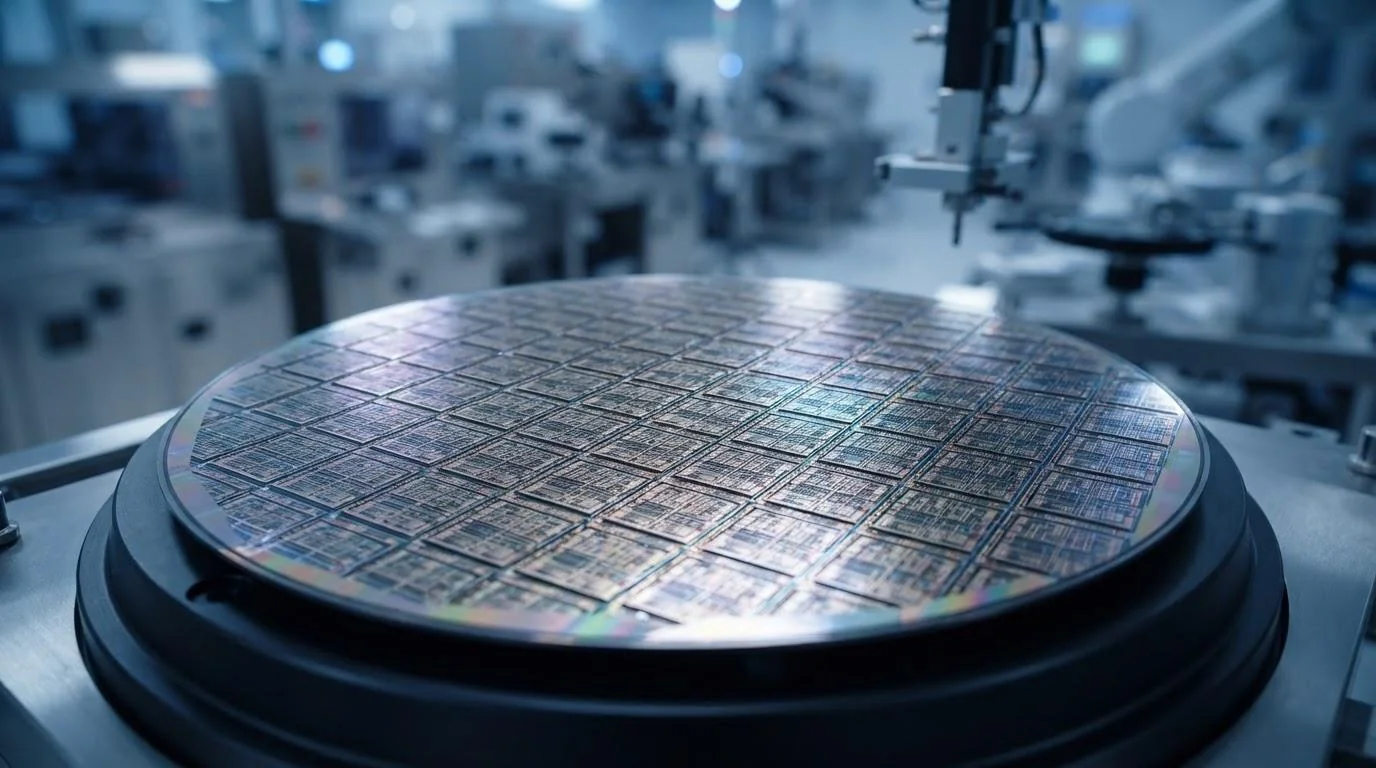
Chinese memory chip manufacturers are rapidly closing the technological gap with global leaders, achieving significant results in the semiconductor industry. According to the Korea Semiconductor Industry Association (KSIA), China is currently only one year behind South Korea in NAND memory production, two years in DRAM, and three years in the most complex HBM segment, whereas until recently, this gap was five years. This is reported by Ixbt.com .
The main driving forces in this process are YMTC and CXMT. While YMTC specializes primarily in NAND flash memory, CXMT is engaged in the production of dynamic random access memory (DRAM). China is achieving particular success in the flash memory market: while global leaders Samsung and SK hynix began transitioning to NAND memory with over 300 layers in 2025, YMTC has already mastered 270-layer chips.
DRAM and AI Memory
Chinese companies are not slowing down in DRAM production either. Despite Samsung and SK hynix adopting DDR5 memory earlier, CXMT has gradually narrowed this gap, successfully releasing LPDDR5X models and beginning to master the next generation of mobile memory. Nevertheless, the situation remains more complex in the high-speed HBM memory segment used in AI accelerators.KSIA reports that CXMT is three years behind in this area. Although the company has started trial production of HBM3E memory, the yield of usable microchips is currently estimated at only about 25 percent. Creating reliable vertical connections among multi-layer memories remains one of the main challenges. To solve this, YMTC's X-Stacking architecture and copper-to-copper hybrid bonding technologies are being utilized.
Production Volumes and Prospects
It is noteworthy that these achievements are being made despite strict restrictions, such as the ban on supplying advanced EUV lithography equipment to Chinese enterprises. Nevertheless, Chinese companies are sharply increasing their production capacities. CXMT plans to produce approximately 300,000 300mm wafers per month across three facilities, with HBM capacity potentially reaching 50,000 wafers per month.Once the construction of new plants in Shanghai and Hefei is completed, total capacity is expected to reach 600,000 wafers per month in the future. If these plans are realized, CXMT could surpass America's Micron in physical volume by 2030. At the same time, YMTC is also expanding its capacity, aiming to produce 300,000 wafers per month by early 2027.


Comments 0
…