


«Ultra-secret talks in Oman!»: USA and Houthis reach a secret agreement
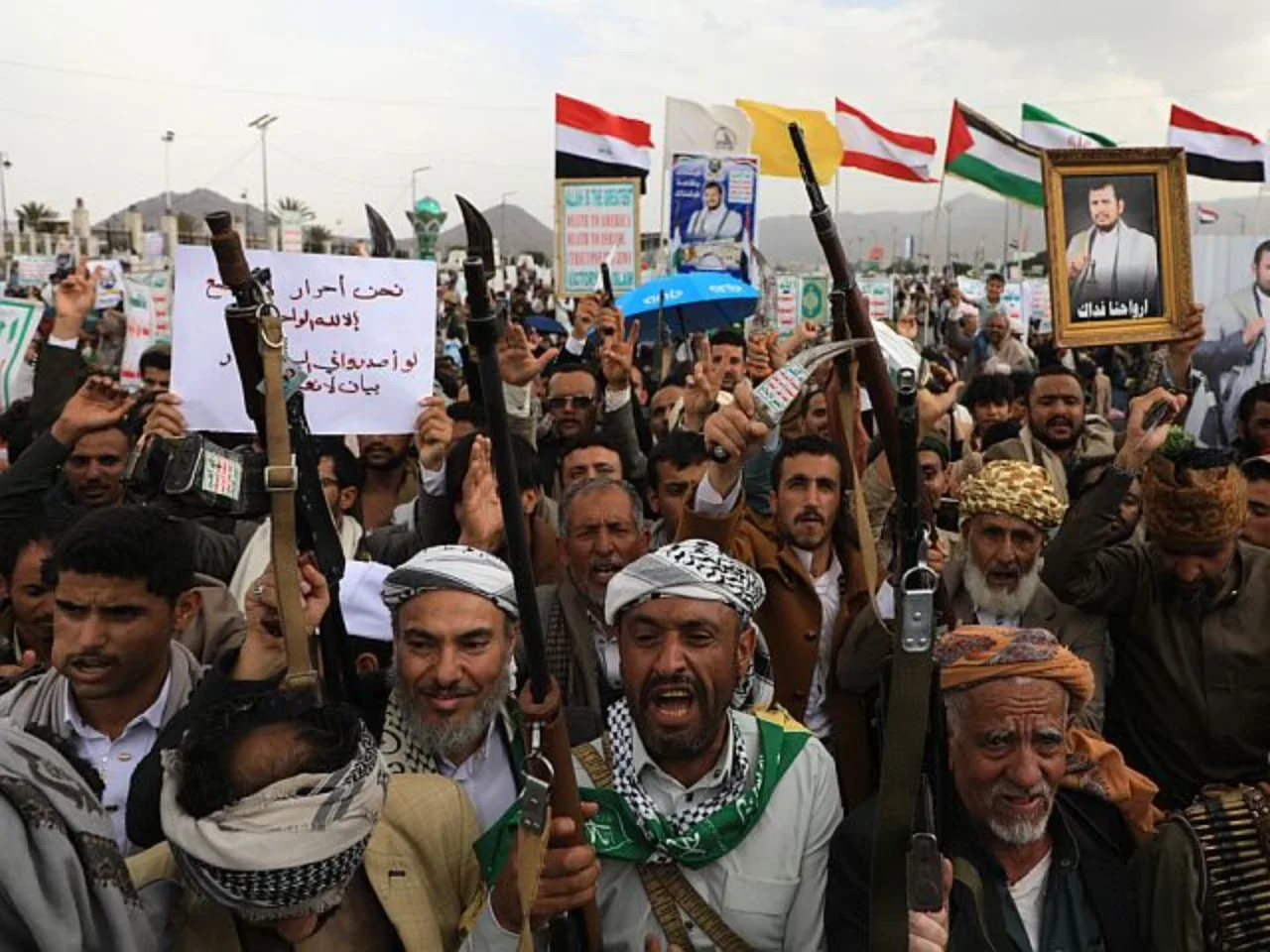
An unprecedented diplomatic sensation has occurred that could fundamentally change the geopolitical situation in the Middle East and the global energy map. Citing five reliable sources familiar with the negotiation process, influential British news agency Reuters revealed that an ultra-secret meeting took place last weekend in the Omani capital of Muscat between US officials and representatives of the Houthi movement ("Ansar Allah") in Yemen. Facilitated and supported directly by the Omani government, the talks at the US Embassy in Muscat were attended by Mohammed Abdelsalam and Abdelmalik al-Ajriy on behalf of the Houthis.
During the negotiations, the Houthis came out with an unexpected and surprising statement: they announced that they would strictly adhere to the 2025 ceasefire agreement concluded with Washington, would not attack American ships whatsoever, and were even ready to stop strikes on Israel and other international commercial vessels. However, sources noted that the Houthis left a single sole exception open: their one and only target will remain Saudi Arabia-owned vessels and infrastructure. Against the backdrop of this political agreement, a strike by the Houthis on Saudi Arabia's main strategic "East-West" oil pipeline shook the European oil market, causing prices to skyrocket to a staggering $130–150 per barrel.
So, why did Washington make a secret deal with the Houthis, was Saudi Arabia sacrificed in the global game, and how can the energy crisis awaiting Europe be stopped?
«Secret agreement at the US Embassy»: Details of the meeting in Muscat
Key details of the secret meeting provided by Reuters:
Secret location and mediator: The meeting was organized at the US Embassy in Muscat, the capital of Oman, with the active diplomatic encouragement of the authorities of the Sultanate of Oman;
Composition of negotiators: High-ranking representatives of the Houthis — Mohammed Abdelsalam and Abdelmalik al-Ajriy — sat at the negotiating table;
Silence of the State Department: The US State Department refuses to officially confirm that these sensational talks actually took place, but diplomatic circles have not denied the meeting;
Maintaining truce with Washington: The Houthis explicitly stated that they remain committed to the agreement reached in 2025 and have no intention of launching attacks on the US Navy and commercial vessels.
«We will only strike Saudi Arabia»: The Houthis' new strategic plan
The political stance disclosed by sources familiar with the situation in Yemen:
Promise not to touch Israeli and Western ships: The Houthis expressed readiness to ease their blockade against international trade and Israeli ships and to refrain from attacking them;
Saudi Arabia — the only target: It was emphasized that the sole and firm objective of the "Ansar Allah" representatives is to strike tankers, infrastructure objects, and vessels belonging exclusively to the Kingdom of Saudi Arabia;
Diplomatic segregation: The Houthis appear to have chosen a tactic of removing the US and the international community from the conflict, concentrating their forces solely against Riyadh, and leaving their regional rival isolated.
$150 oil and the European crisis: The bombing of the «East-West» pipeline
The economic shock caused in the world market in the wake of the Houthi strike:
Shutdown of the strategic oil pipeline: Due to a successful Houthi attack on the "East-West" oil pipeline in Saudi territory, the flow of raw materials was completely halted, dealing a severe blow to the kingdom's exports;
Route outside the Strait of Hormuz cut off: Saudi Arabia lost its only alternative pipeline designed to export oil via the Red Sea, bypassing the Strait of Hormuz;
Supply disruptions in France and Poland: Due to the failure of the pipeline, raw material shortages were immediately felt in major European Union industries, including France and Poland;
$130–150 per barrel: Driven by limited physical raw material supplies, oil prices in European spot markets surged to an unbelievable $130–150 per barrel, further fueling global inflation.
The behind-the-scenes agreements signed in Muscat and this sharp oil price explosion prove that the big game in the Middle East has turned from a military conflict into an energy war capable of bringing the world economy to its knees.
Do you think that the US making a separate secret collusion with the Houthis, bypassing its ally Saudi Arabia, amounts to a betrayal of Riyadh? Will the surge in oil prices to $150 lead the global economy into a new financial crisis? Leave your analytical thoughts in the comments and share this analysis of the secret diplomatic play taking place on the grand geopolitical stage with all your colleagues and politics enthusiasts!



Comments 0
…