


Unexpected scenarios of the October 27 elections in Israel
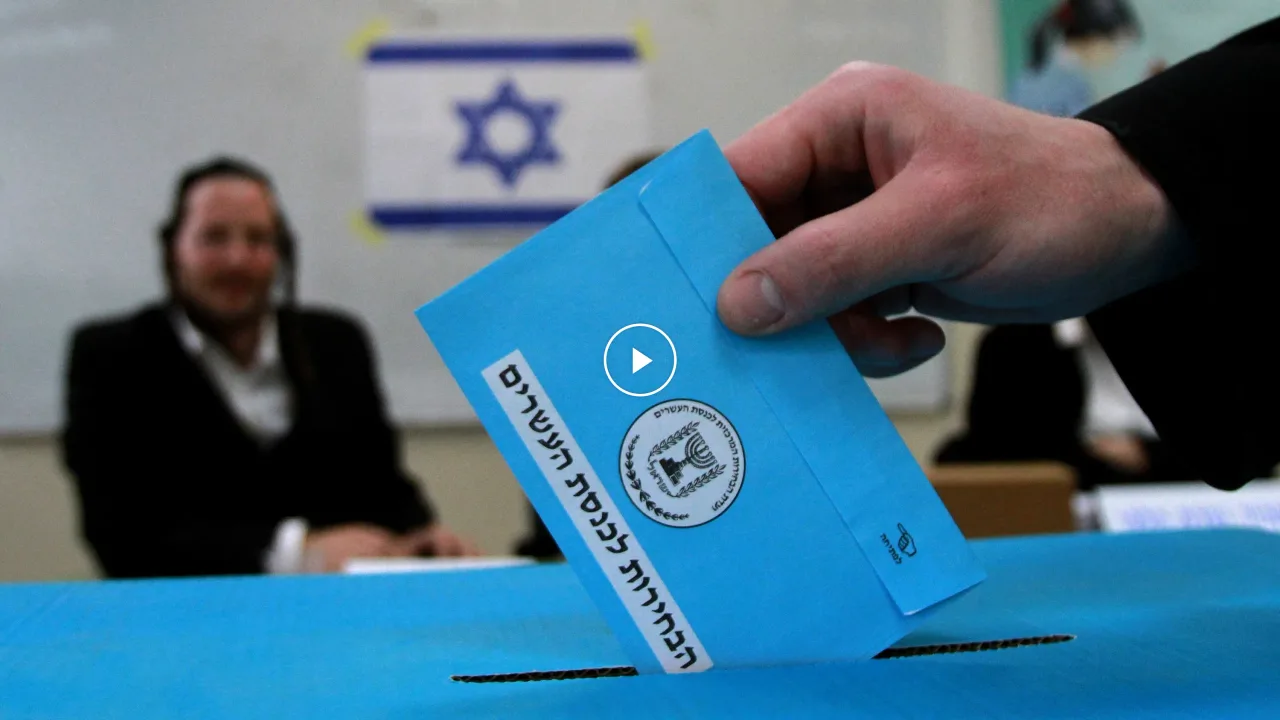
Ahead of the Israeli parliament — Knesset elections scheduled for October 27, US President Donald Trump announced his open and "full and unconditional" support for Prime Minister Benjamin Netanyahu.
According to the DW publication, the White House chief explained this decision on October 18 on his Truth Social page, citing the shared strategic interests of Washington and Tel Aviv against Iran. However, this endorsement comes at a complex juncture in the local political arena where Netanyahu's "Likud" party is losing ground to the opposition in the polls.
"If another leader comes, we will be left alone with Iran": Trump's main argument
The US president considers Netanyahu remaining in power to be the primary guarantor of regional security:
The Iranian threat and the sole alliance: Trump stated that if another leader comes to Israel, Washington will be forced to confront Tehran independently and alone. He openly expressed that he has no intention of taking such a path;
Joint strikes: The US leader emphasized that in cooperation with Netanyahu's government, military and financial strikes have been continuously dealt to the Iranian regime;
Pressure will not stop: It was noted that joint pressure and sanctions will continue until Iranian officials change their foreign policy.
Poll results: Gadi Eisenkot is in the lead
Despite Trump's firm goodwill, the sentiment within Israel is not in favor of the incumbent prime minister:
"Yashar" party ahead: According to opinion poll results cited by The Jerusalem Post, the opposition "Yashar" party, led by former Israel Defense Forces Chief of General Staff Gadi Eisenkot, could win 22 mandates in the election;
"Likud" is lagging behind: Netanyahu's "Likud" party, the main force of the current government, is expected to drop to second place with just 19 mandates;
Equal forces: Regardless of the individual figures of the parties, the overall chances of the pro-government and opposition blocks remain extremely close to each other.
The 61-mandate problem and the threat of political crisis
To form a majority out of the total 120 seats in the Knesset and establish a new government, combining at least 61 votes is required. Therefore, a single party securing more seats does not guarantee its absolute victory:
An opposition coalition or the right wing? According to an analysis by the AP agency, the first scenario is the opposition uniting left, centrist, and right-wing parties into a single bloc, while the second path is Netanyahu maintaining his existing alliance with far-right political forces;
The "golden vote" of Arab parties: Parties representing the interests of the Arab population, who make up nearly 20 percent of voters in the country, are projected to receive 13–15 mandates in the polls. At a critical juncture, they could alter the balance of power;
Possibility of re-elections: If neither of the competing sides can gather 61 seats, Israel could face another prolonged political deadlock and early re-elections.



Comments 0
…