


Pouch Cells: The Connection Between Nissan Leaf and Porsche Cayenne EV
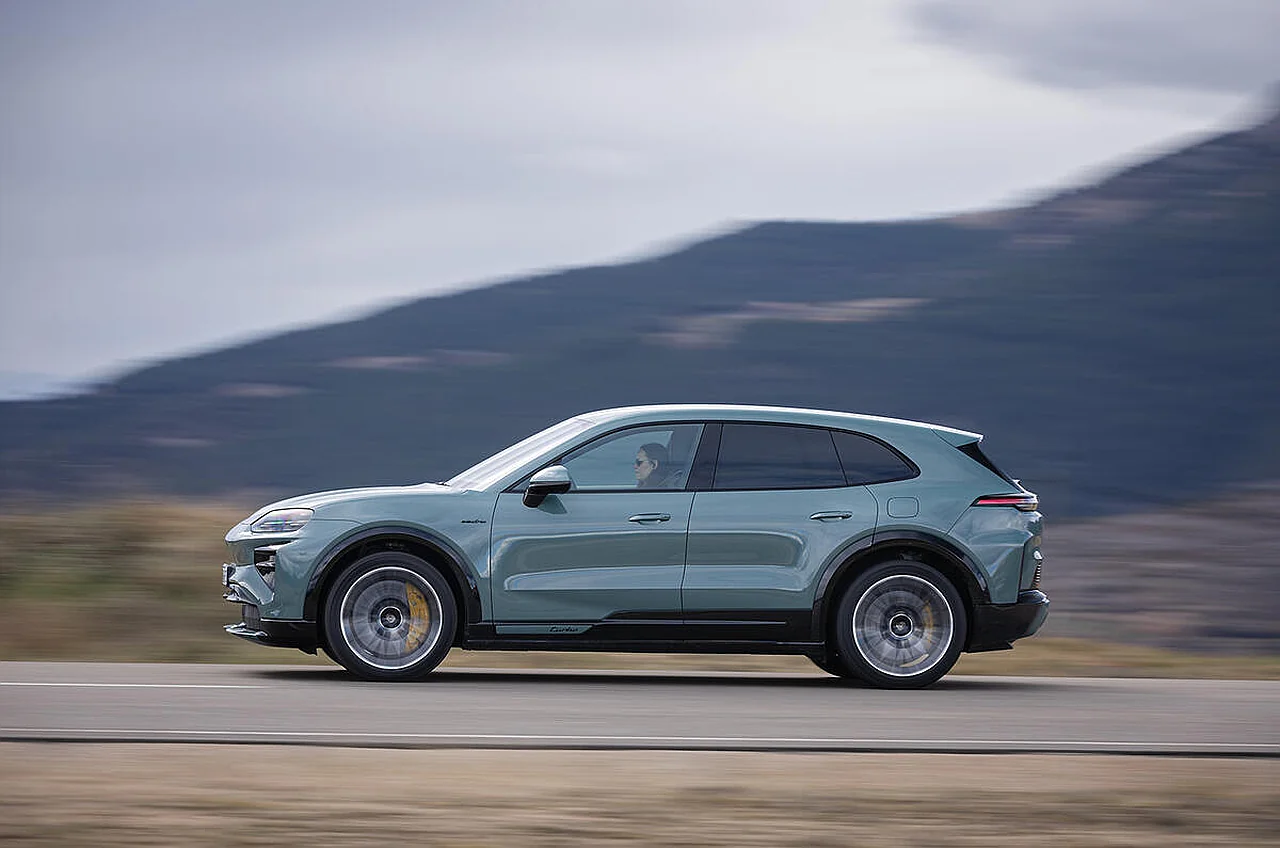
It is difficult to find another area in automotive history that has evolved as rapidly as lithium-ion batteries. Today, all electric vehicles use various forms of this technology. When Tesla changed the market with the Tesla Model S in 2013, its battery consisted of thousands of small "18650" cylindrical cells. This name comes from the dimensions of the cell (18 mm diameter, 65 mm length), which resembled common household batteries. This is reported by Autocar.co.uk reports .
However, other battery formats exist, one of which is pouch cells. Interestingly, the first Nissan Leaf model used this type of cell, and it shares a similarity in this regard with the new Porsche Cayenne EV. While the 2010 Nissan Leaf offered a range of 110-130 km with its 24 kWh battery, the Porsche Cayenne EV can cover over 600 km with its 113 kWh battery.
Porsche assembles its high-capacity batteries at the Smart Battery Shop in Gorna Streda, Slovakia. Here, cells manufactured in Europe are placed into modules. The process is carried out in ultra-clean conditions, based on strict standards that protect components from electrostatic discharge. Pouch cells are stacked with high precision, and their connectors are joined via automated laser welding.
Battery modules are filled with special foam to ensure stability, and heat-conductive materials are placed between the cells for efficient heat dissipation. In the final stage, all modules undergo electrical and functional tests and are checked for durability and charging capability at the Porsche analysis center. Porsche records the data for each module, allowing their condition to be monitored even years later.


Comments 0
…