


The secret to saving on gas and electricity in winter: 5 main "leaks" stealing your home's heat
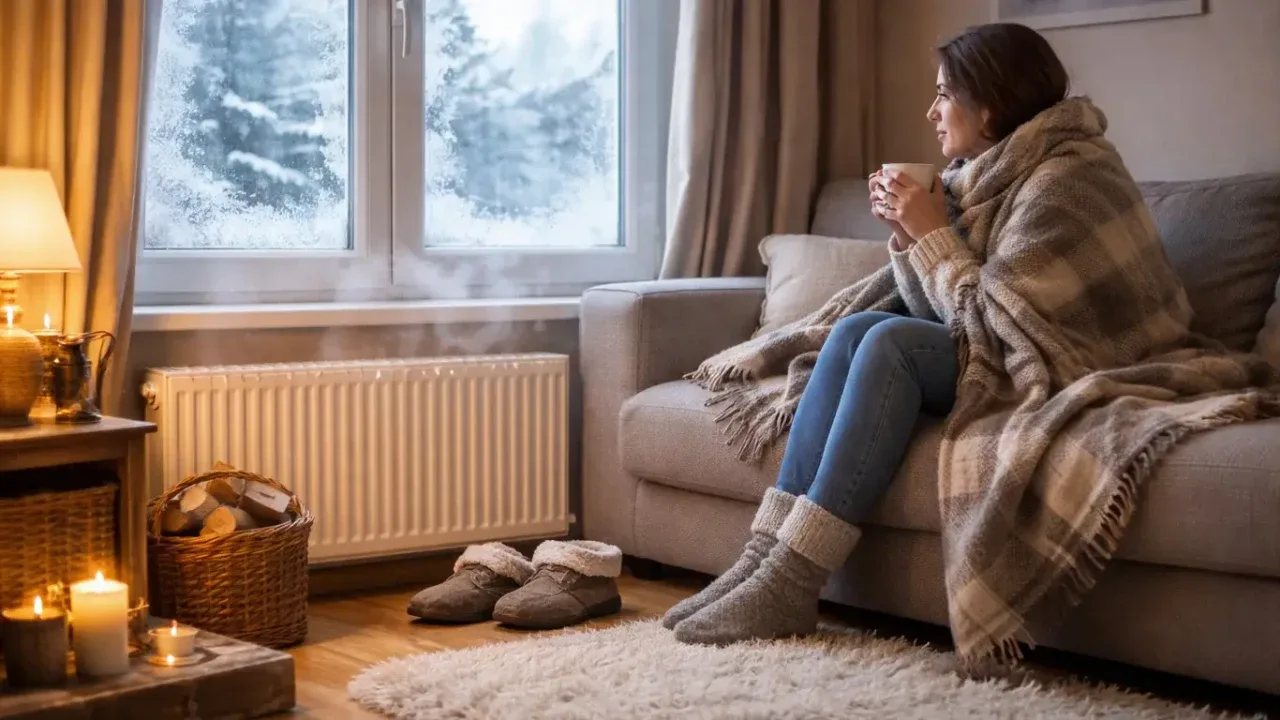
With the arrival of the autumn-winter season, many households face the same problem: even though the heating system (boilers, radiators, or heaters) is running at full capacity, the rooms do not warm up as expected and utility bills skyrocket.
According to energy efficiency experts, a large portion of a home's heat energy "escapes" through unexpected places. Identifying and fixing these weak points will help keep your home warm while saving 30–40 percent on utility costs.
Heat "thieves": Where does most heat energy escape?
Many people think only windows are to blame, but the real picture is as follows:
Walls (30–35% loss): The largest portion of a home's heat is lost through inadequately insulated exterior walls; concrete and thin brick structures conduct cold directly inside;
Roof and ceiling (25–30% loss): According to the laws of physics, hot air always rises. If the roof or attic of a house is not properly insulated, nearly a third of the heat escapes through the ceiling into the sky;
Windows and glass frames (15–25% loss): Window gaps, worn-out rubber seals, and low-quality single-pane glass lose heat quickly and create cold drafts in the house;
Floor and foundation (10–15% loss): In apartments on the ground floor or close to the ground, cold enters through the floor, significantly lowering the overall room temperature;
Door gaps and ventilation (10–15% loss): Small cracks at the bottom and side edges of exterior entrance doors continuously let hot air out throughout the day.
Cost-effective and easy: 4 practical ways to keep heat in your home
You can achieve significant results in preparing your home for winter without spending a large amount of money:
Installing a foil screen behind the radiator: If a special heat-reflecting foil (izolon) is placed on the wall behind the heating battery, it reflects heat back into the room instead of heating the wall;
Updating window seals: Replacing worn-out rubber on plastic and wooden frames or using special insulation tapes will immediately stop drafts;
Smart use of thick curtains: Opening curtains during the day to let in sunlight and closing thick curtains in the evening to block the cold coming from the windows can increase the room temperature by 2–3 degrees;
Sealing under the door: Installing a special soft brush or seal in the open space under the entrance door will completely eliminate the flow of cold air.
Identifying the weak points of your home in time and taking simple protective measures will not only create a cozy and warm environment in your home but will also ensure significant savings for the family budget during the winter season.



Comments 0
…