


How can our emotions reshape our physical body?
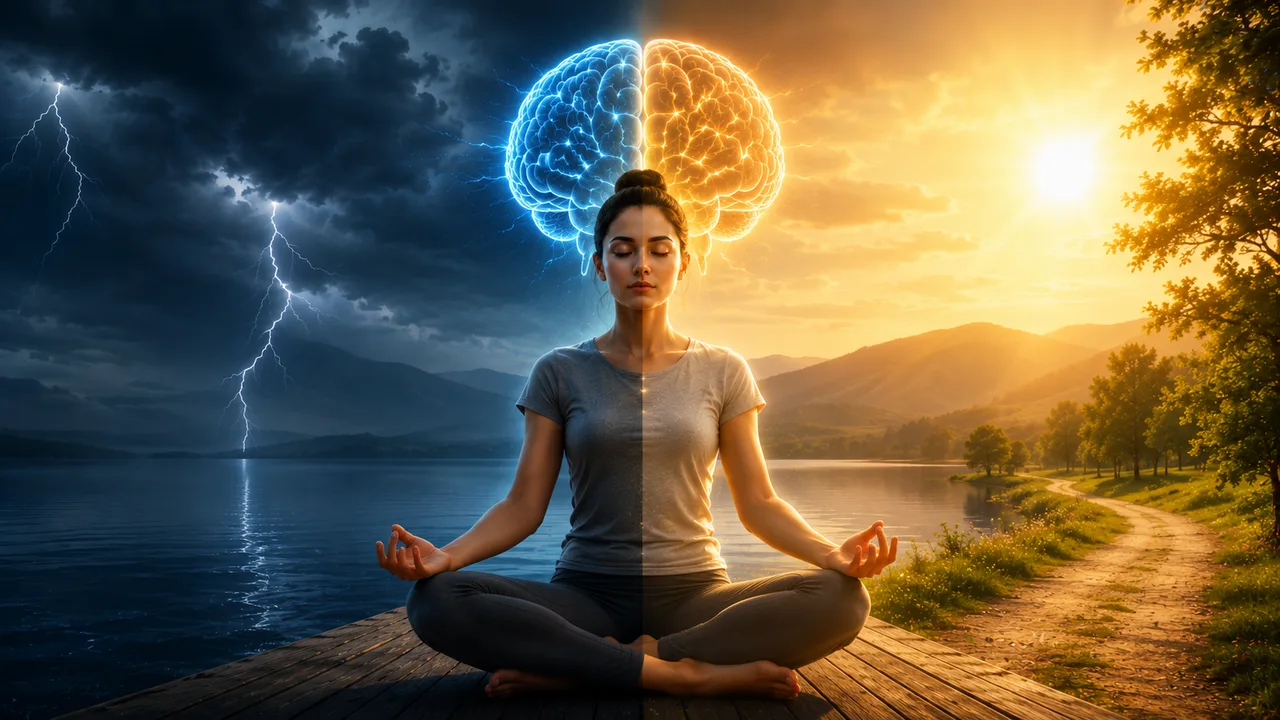
Scientific research shows that emotions are not just moods, but affect us down to our cells
Have you ever felt a headache or abdominal discomfort after a day of intense nervousness? Or have you started catching colds frequently after a long period of stress? While such situations were previously dismissed as mere coincidence, modern medicine is proving that the connection between emotions and the body is much deeper.
In recent years, research in the fields of neuroscience, immunology, and psychobiology has shown that a person's emotional state can affect everything from the brain to the immune system, cardiovascular system, gut microflora, and even gene activity. Thus, emotions are not just processes happening in our minds — they can change the way our entire body functions.
The brain converts every emotion into a chemical signal
Every emotion first originates in the brain. As joy, fear, anger, or love arise, the brain begins to produce neurotransmitters and hormones.
For example:
during stress, cortisol and adrenaline increase;
during joy, dopamine is released;
feelings of affection and trust boost the production of oxytocin;
calmness is associated with serotonin.
These substances circulate through the blood to the entire body, affecting almost every organ.
Long-term stress gradually changes the body
Stress is a necessary mechanism for human life. It helps us escape danger. But the problem is when stress does not stop for months or years.
Constant high cortisol:
lowers immunity;
increases blood pressure;
promotes fat accumulation around the abdomen;
impairs memory;
disrupts sleep;
intensifies inflammatory processes in the body.
Scientific studies have shown that chronic stress can increase the risk of cardiovascular diseases, diabetes, and even certain neurodegenerative diseases.
Joy also changes the body
Not only negative but also positive emotions cause serious changes in the body.
When laughing:
stress hormones decrease;
endorphins are released;
pain perception decreases;
immune cells are activated.
Scientific observations have also noted that people with social support recover faster after surgery.
The gut and brain are in constant communication
Modern scientists sometimes call the gut the "second brain."
Gut microbes:
participate in the production of serotonin;
affect mood;
can change anxiety levels.
Therefore, constant stress disrupts not only the brain but also the digestive system.
Conversely, healthy eating and a peaceful lifestyle also have a positive effect on emotional stability.
Emotions can also affect gene activity
This field is called epigenetics.
Epigenetics studies not the genes themselves, but the extent to which they are "turned on" or "turned off."
Research shows that:
chronic stress can activate certain inflammatory genes;
regular physical exercise and meditation, on the contrary, can strengthen certain protective mechanisms.
This does not mean that the genes themselves change. They just start working differently.
Psychosomatics: is everything caused by nerves?
Many have heard the saying "all diseases are caused by nerves."
This is not entirely true.
For example:
an infection can be caused by a virus;
a broken bone is not caused by stress.
However, stress and negative emotions can worsen the course of a disease, increase pain, or slow down recovery.
Therefore, psychosomatics does not mean "you imagined the illness," but rather refers to the two-way connection between the brain and the body.
To change the body, you must also take care of the brain
Experts consider the following habits beneficial for the body:
7–9 hours of quality sleep every day;
regular physical activity;
breathing exercises and meditation;
social interaction and spending time with loved ones;
walking in nature;
not letting stress accumulate over a long period.
These methods help reduce stress hormones in the body and restore the balance of the nervous system.
Conclusion
Human emotions are not just moods. Through the brain, they affect hormones, the immune system, gut microflora, and even gene activity. Scientific evidence shows that long-term stress can gradually weaken the body, while positive emotions and a healthy lifestyle, conversely, support recovery processes.
At the same time, it is not correct to explain every physical illness solely by emotions. If persistent pain, depression, or other symptoms are observed, it is essential to consult a doctor.
Perhaps the first step in taking care of our body does not start at the gym, but with understanding our own emotions.



Comments 0
…